July 24, 2026, (Inside AI) — Chinese memory chip maker ChangXin Memory Technologies (CXMT) ejected engineers from SiCarrier, a chipmaking-equipment vendor with deep ties to Huawei, from its core R&D cleanrooms in Hefei last month. The move, confirmed by two sources, came amid a pricing standoff between CXMT and Huawei, marking a dramatic shift in power dynamics within China’s semiconductor sector.
CXMT had been raising prices on Huawei for months. When Huawei pushed back, CXMT held firm. The confrontation escalated in June, when CXMT ordered SiCarrier engineers—who had been assisting with equipment maintenance—to leave the factory floor immediately. The engineers have not been allowed back into the R&D zone since.
The incident underscores CXMT’s newfound dominance. Once a loss-making recipient of state funds, CXMT is now the world’s fourth-largest memory maker, producing DRAM chips essential for AI servers. It has erased a decade of losses in six months, booking $7.5 billion in revenue for the first quarter—a 719% increase year-over-year. Its upcoming Shanghai IPO targets $8.6 billion.
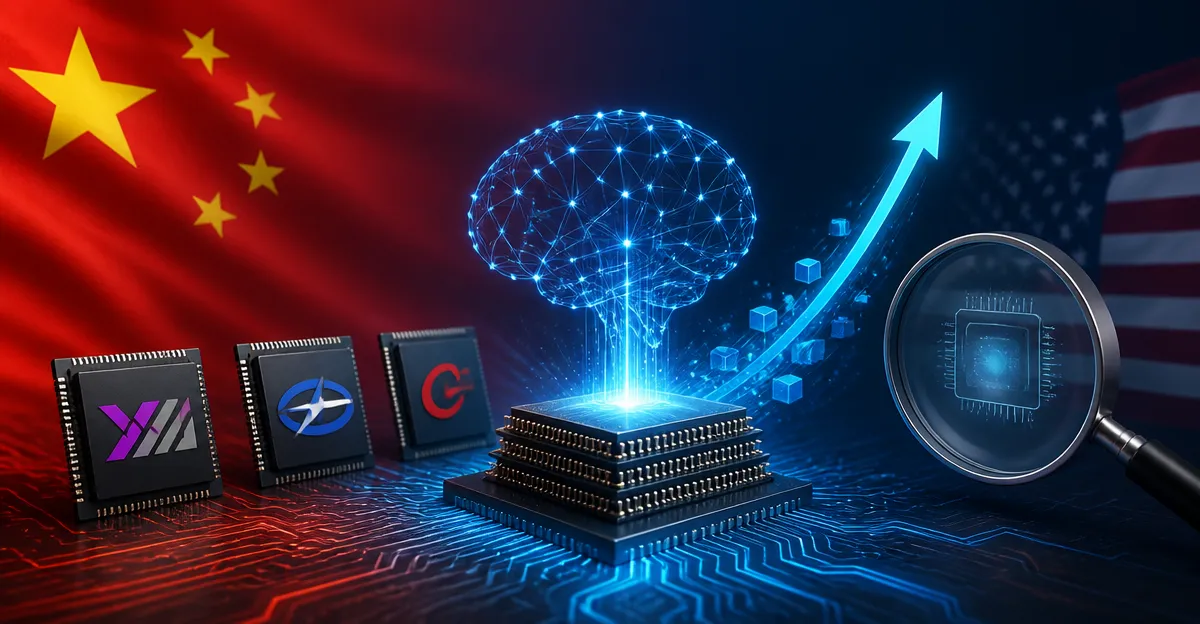
CXMT and its flash-memory peer, Yangtze Memory Technologies Corp (YMTC), are riding an AI-driven boom. The global buildout of AI data centers has turned memory chips into prized commodities. Four sources told Reuters that the Chinese firms are now picking clients and dictating prices, in some cases charging more than South Korean rivals Samsung and SK Hynix. In recent weeks, CXMT priced comparable 64-gigabyte DDR5 server memory modules above Samsung’s roughly $1,240 per unit, two sources said.
This month, CXMT signed a five-year deal with ByteDance worth over $7 billion, three sources said. It follows a $3 billion agreement with Tencent in June. Chinese authorities have urged the chipmakers to prioritize domestic supply, but both plan to expand capacity. CXMT is building two new plants and discussing a third, aiming to more than double output to over 600,000 wafers per month by 2030—potentially surpassing Micron.
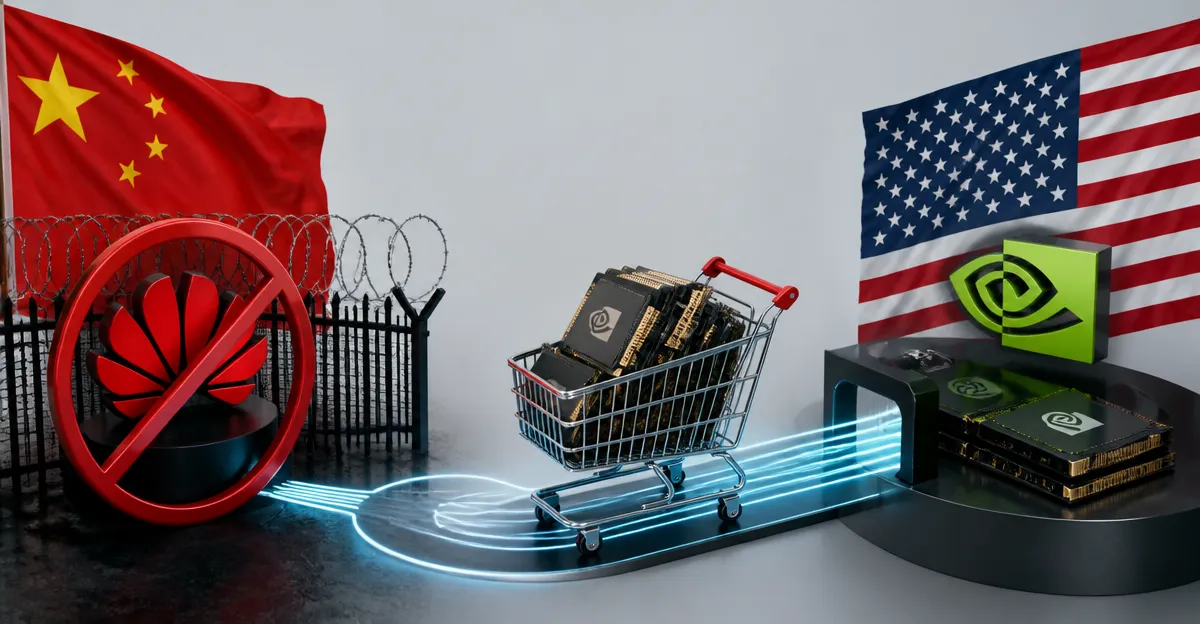
The rise of these “twin stars” is drawing U.S. scrutiny. The Pentagon has designated both as Chinese military companies, and YMTC is on the U.S. Entity List. Congress debates further equipment restrictions, but the Trump administration is divided, four sources said. Apple has argued it needs Chinese memory and sought assurances CXMT won’t be blacklisted, two sources added. Micron, their main Western rival, is pushing for tighter curbs.
Lithography Bottleneck Looms Over Expansion
Both firms rely on deep ultraviolet (DUV) lithography machines from Dutch giant ASML. China has been barred from obtaining more advanced extreme ultraviolet (EUV) machines since 2019. CXMT’s high-bandwidth memory remains two generations behind competitors, five sources said. YMTC, however, has replaced about half its equipment with domestic tools since its 2022 Entity List addition, developing techniques to stack memory layers with less-advanced gear.
“If more restrictions are imposed on lithography equipment, that would be the biggest challenge for Chinese memory makers,” said Ray Wang, an analyst at research firm SemiAnalysis. “China remains quite behind in that part of the equipment supply chain compared to other tool segments.”
Pricing Power Reshapes Supply Chains
Chinese memory chips were long seen as cheaper alternatives. Now, six sources said, that’s no longer the case. Several Chinese tech firms complained to the Ministry of Industry and Information Technology this year about price hikes delaying product launches. The ministry said in April it would crack down on hoarding. State-owned firms are restricted from buying foreign memory, two sources said.
YMTC Chairman Chen Nanxiang predicted this moment in 2024, telling state media the industry would see explosive growth within three to five years. By early this year, as YMTC began selecting clients, Chen and his team celebrated. The boom had arrived. YMTC entered South Korea’s consumer market in June, exploiting a gap left by Samsung, SK Hynix, and Micron. It is pushing internally for a 1 trillion yuan ($148 billion) valuation target for its own IPO.
Despite constraints, the Chinese memory makers are reshaping global supply. New fabrication plants could allow them to serve overseas markets by 2027. CXMT aims to enter the U.S. long-term, three sources said, but capacity is stretched. As geopolitical tensions simmer, their pricing power and expansion plans signal a permanent shift in the memory chip landscape.