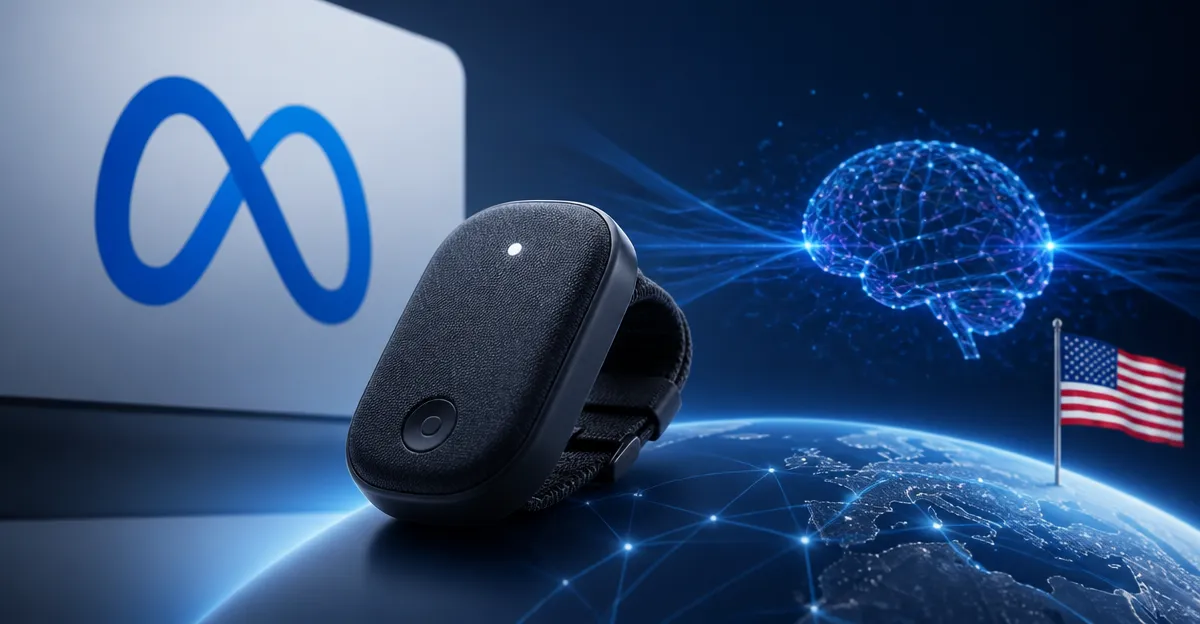
September 24, 2026, (Inside AI) — Meta unveiled a pocket-watch-sized AI device called Muse Charm at its annual Connect conference on Wednesday, a gadget that lets users tap into the company's viral Muse AI agent without pulling out a smartphone. The device marks CEO Mark Zuckerberg's latest attempt to build a computing platform that bypasses Apple and Google's operating systems.
Muse Charm features a roughly 2-inch display navigated with a thumb, a customizable Muse character at its center, and a built-in 5G modem for connectivity without Wi-Fi. It cannot make phone calls. The device carries Meta's Muse AI agent, which has drawn millions of downloads since launch and ranks among the biggest US app debuts since ChatGPT arrived in November 2022.
Zuckerberg framed the shift as a strategic pivot away from the metaverse, the immersive digital world that inspired Meta's 2021 rebrand and cost the company billions in losses. He now sees personal superintelligence as the more immediate opportunity.
"It is actually quite clear personal superintelligence will not only come first; it will be much bigger and more important," Zuckerberg said at the company's annual Meta Connect conference.
"So we have shifted our focus to building the best devices for personal superintelligence," he said, adding that Muse would also soon be available across Meta's smart glasses lineup.
The launch follows a blockbuster week for Muse. Investors have embraced the agent's potential to automate tasks from booking flights to filing taxes. Shares of partners like Shopify climbed, while companies seen as vulnerable to AI disruption, including Booking and Intuit, saw declines.
Gen Z Appeal Meets Adoption Hurdles
Analysts see Muse Charm targeting younger consumers at a moment when digital cameras, flip phones, and MP3 players are enjoying nostalgic comebacks. Gen Z users, aged about 14 to 29, treat AI assistants as companions or brainstorming partners rather than simple search tools. Many interact through voice notes, short videos, and chatbots, unlike older users more comfortable with PCs and smartphone apps.
"Muse Charm could find some traction among Gen Z and younger consumers. The combination of AI, fashion, and personalization could appeal to younger users, especially if it is affordable and easy to use," said Linda Sui, founder of Smart Analytics Global, a market research firm.
The device's form factor may also sidestep barriers that have slowed smart glasses adoption. IDC director Jitesh Ubrani noted that some users may prefer a handheld gadget over wearable tech.
"They are appealing to people who might not want to wear glasses or might not trust glasses," Ubrani said.
"Some people might remember Tamagotchi and this might evoke that," Ubrani said, referring to colorful virtual pets that became a cultural phenomenon in the late 1990s. "They might be able to run a small language model locally. So you can run AI on such a small package."
Whether Muse can sustain its momentum and the device can amplify that appeal remains uncertain. Similar products have struggled. The Rabbit R1, a handheld generative AI device from startup Rabbit Inc, launched with fanfare in early 2024 but flopped after overpromising on features and delivering an unreliable experience.
"I would be cautious about its mass-market potential," Sui said. "Unless Muse Charm can offer unique functions that smartphones, watches, earbuds, or smart glasses cannot easily replace, it is more likely to remain a nice-to-have device for early adopters than become a mainstream product."
Meta's hardware ambitions have faced setbacks before. The company's metaverse pivot, announced in 2021, led to massive spending and investor skepticism as user adoption lagged. The rebrand to Meta signaled a long-term bet that did not materialize as quickly as hoped.
Read: Qualcomm Camera-Equipped Earbuds Concept
Now, with Muse Charm, Zuckerberg is betting that personal superintelligence, delivered through a dedicated device, can succeed where the metaverse fell short. The gadget's success will depend on whether it offers functions that smartphones cannot replicate and whether consumers embrace yet another screen in their lives.