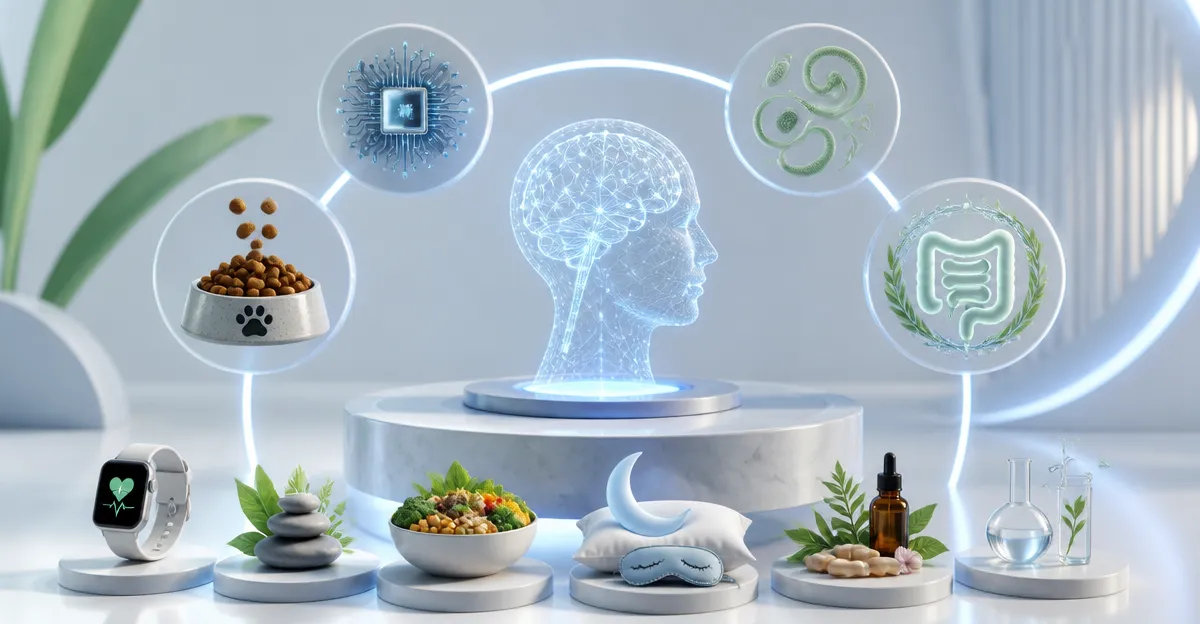
August 7, 2026, (Inside AI) Artificial intelligence is now a mainstream wellness tool, with a growing number of people relying on chatbots for nutrition plans, fitness routines, and even personal growth guidance. This shift, highlighted in a recent Guardian report on 2026 wellness trends, marks a significant evolution in how consumers pursue health, blending technology with self-improvement in ways that are both promising and problematic.
The trend is part of a broader wellness landscape that includes viral fads like parasite cleanses, proteinmaxxing, and divorce rings. But AI stands out for its potential to personalize advice at scale. Users told the Guardian that tailored chatbot recommendations helped them stick to routines and hit fitness goals. Yet the same users warned the tools can be confidently wrong, a limitation rooted in how these systems are built.
Large language models are trained on vast human-generated data, which means their suggestions often reflect dominant cultural narratives rather than individual needs. This can make advice feel generic or even misleading. For personal growth, experts note that AI can lower the barrier to self-reflection by helping users clarify questions and goals, but the risk of reinforcing stereotypes remains. The tension between accessibility and authenticity is at the heart of AI’s wellness role.
Other trends in the Guardian’s roundup reveal a similar pattern of science meeting skepticism. Parasite cleanses, popularized by supermodel Heidi Klum, claim to fix sleep, gut health, and skin. But experts say parasitic infections are rare in areas with good sanitation and cannot be treated by herbal supplements sold on TikTok. Diagnosis requires stool or blood tests, and treatment typically involves antibiotics or antiparasitic drugs.
Read: Can AI Curb Physician Burnout?
Proteinmaxxing, the obsession with protein-fortified snacks and powders, is partly driven by the rise of GLP-1 medications. When people eat less, maintaining muscle becomes crucial. But experts warn there’s a ceiling: muscle synthesis plateaus above 1.6 grams of protein per kilogram of body weight, and most adults need just 0.8 grams. The trend reflects a broader fixation on macronutrients that may overlook balanced nutrition.
Meanwhile, functional foods like PMS-relief chocolate and protein chips are booming. Nutrition expert Dr. Marion Nestle told the Guardian:
“Most of the claims made by these foods have nothing to do with science. It’s about marketing.”
This skepticism is echoed in the vaginal wellness market, where billion-dollar probiotic supplements lack evidence for preventing infections and may cause side effects. Similarly, spermmaxxing, a trend promoting garlic and ice-water dips for sperm health, ignores proven basics like sleep and exercise.
AI’s role in wellness intersects with these trends through platforms that aggregate and amplify such advice. A study on health information seeking on social media shows how algorithms can create echo chambers, reinforcing unverified claims. This makes it harder for users to distinguish between evidence-based guidance and fads.
Yet AI also offers tools for countering misinformation. Researchers are developing models to detect health myths, as outlined in a systematic review of AI in health communication. These advancements could help wellness platforms flag dubious trends like parasite cleanses or spermmaxxing before they go viral.
Read: AI Tool Spots Heart Disease
When Algorithms Become Wellness Coaches
The personalization that AI brings to fitness and nutrition is a double-edged sword. While it can adapt to user preferences, it may also reinforce unhealthy behaviors if not carefully designed. Experts argue that without transparency about data sources and limitations, AI wellness tools risk becoming just another vector for the marketing hype that Dr. Nestle criticizes.
For now, the wellness industry continues to blur lines between innovation and illusion. Hyrox, a grueling fitness competition, and the burned haystack dating method show that people crave structured, rule-based systems. AI fits neatly into this desire, offering a sense of control in an uncertain world. But as with any trend, the real secret to being well may be simpler than any chatbot can convey.