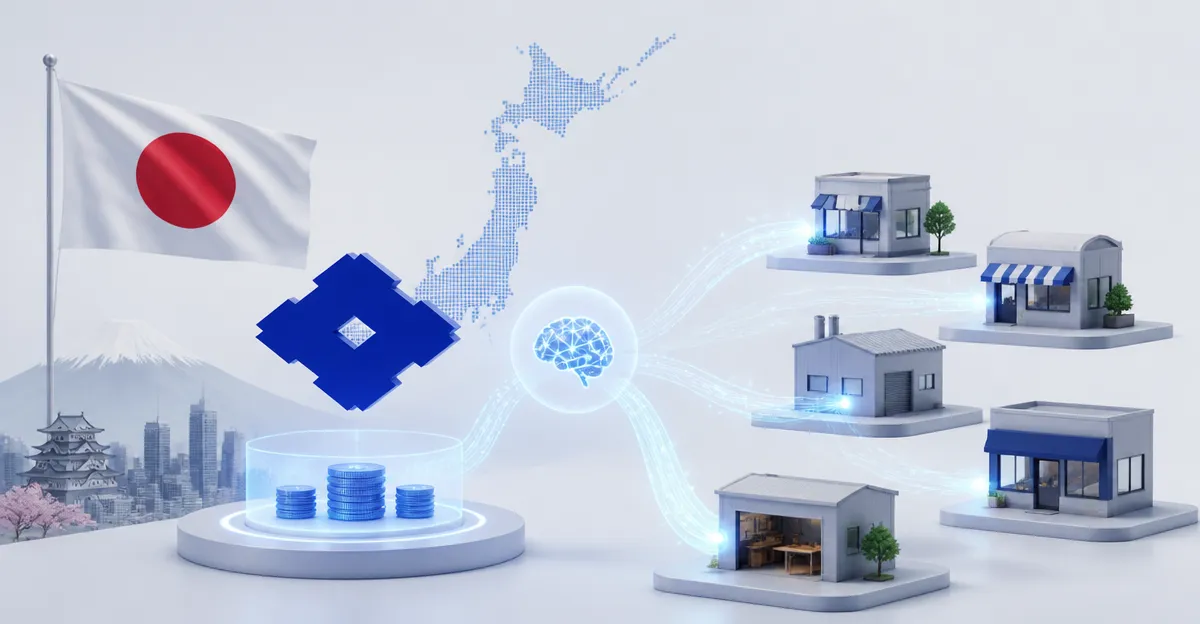
November 23, 2026, (Inside AI) — Anthropic's Claude artificial intelligence model has seen a tenfold increase in adoption among Japanese companies and organizations over the past year, according to sources familiar with the company's performance in the region. The surge reflects growing recognition of Claude's capabilities and Anthropic's deliberate focus on sales to corporate clients.
The milestone comes as Anthropic deepens its commitment to Japan, having established a Tokyo office to support local enterprises. The company has not disclosed absolute user numbers, but the tenfold growth rate underscores a broader trend of Japanese businesses embracing generative AI tools for productivity and innovation.
Japan's corporate sector has historically been cautious in adopting foreign software, but the rapid uptake of Claude suggests a shift. Anthropic's strategy of tailoring its sales approach to large organizations appears to be paying off, as firms seek reliable AI solutions that can integrate with existing workflows.
Why Japanese Firms Are Choosing Claude
Anthropic's Claude has gained traction in Japan due to its strong performance in Japanese language tasks and its emphasis on safety and reliability. These factors resonate with Japanese corporations that prioritize quality and risk management. The company's Tokyo office, opened to provide local support and build relationships, has likely accelerated adoption by offering hands-on assistance and customization.
Read: Sumitomo and Reva Launch AI Fund for Japanese SMEs
Competitors like OpenAI and Google also operate in Japan, but Anthropic's enterprise-first approach may have given it an edge. By focusing on corporate clients rather than consumer-facing applications, Anthropic has positioned Claude as a tool for business transformation, appealing to Japan's large conglomerates and small businesses alike.
Anthropic's success in Japan mirrors its global strategy of partnering with enterprises. The company has emphasized responsible AI development, which aligns with Japanese regulatory trends that favor cautious, safety-focused AI deployment. This alignment could further drive adoption as regulations evolve.
While the tenfold growth is impressive, it remains unclear how many of these users are paying customers versus trial participants. Anthropic has not provided detailed metrics, and the sustainability of this growth will depend on continued investment and localization efforts.
The Japanese AI market is highly competitive, with domestic players like Preferred Networks and international giants vying for share. Anthropic's ability to maintain momentum will require ongoing innovation and adaptation to local needs. The company's focus on enterprise sales, however, provides a stable revenue stream and opportunities for deep integration into business processes.
As Japan continues to digitalize its economy, AI adoption is expected to rise. Anthropic's early lead in the enterprise segment could position it well for future growth, but it must navigate cultural and regulatory nuances to sustain its advantage.
Read: Anthropic Ends First Week at $1.6T After Largest IPO in History
Anthropic's expansion in Japan is part of its broader international push. The company has been growing its presence in Asia, recognizing the region's potential for AI adoption. With the Tokyo office as a hub, Anthropic aims to serve Japanese clients more effectively and tap into the country's tech-savvy workforce.
The tenfold increase in Claude usage by Japanese companies over one year is a notable achievement. It highlights the growing appetite for AI in Japan's corporate world and Anthropic's successful entry into a key market. As competition intensifies, the company's ability to innovate and localize will determine its long-term success.

Shamil has a low tolerance for AI that only works in controlled demos. He covers agentic systems and generative AI with the skepticism of someone who has seen too many “revolutionary” tools quietly disappear six months after launch.