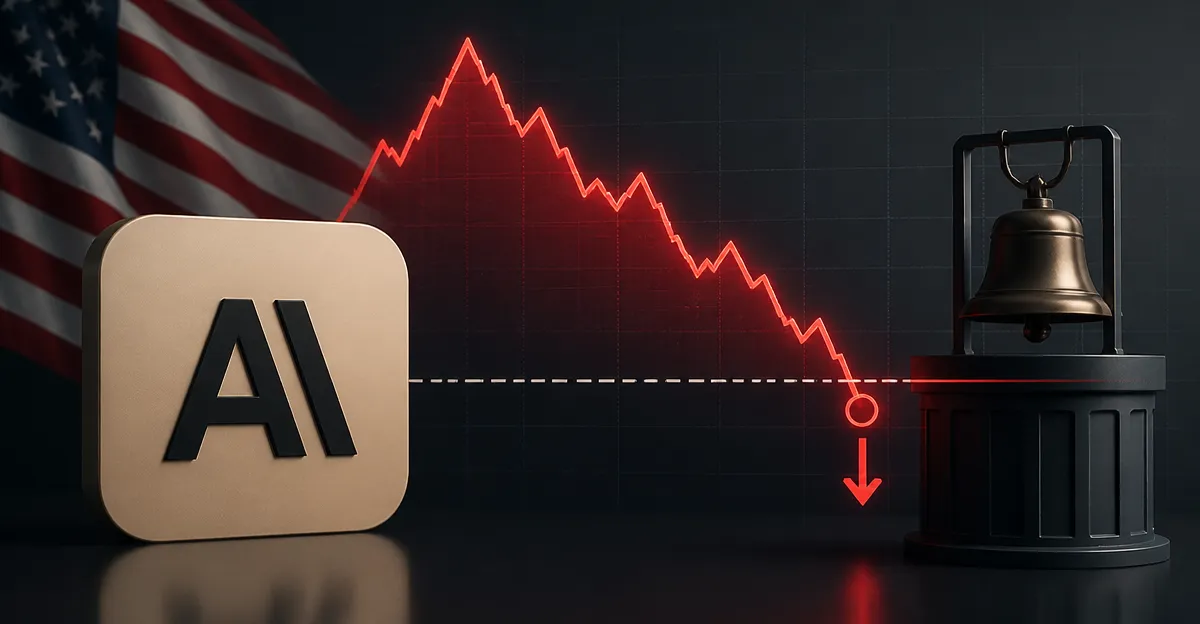
November 25, 2026, (Inside AI) — Japan's benchmark Nikkei 225 will climb to 67,500 by the end of 2027, according to a median forecast from 22 equity strategists polled between November 16 and 24. That target sits nearly 7% above Tuesday's close of 58,644.63, but it remains far below the index's all-time peak of 72,831.73 touched in June 2026. The message from the strategist community is blunt: the AI-driven rally that defined this year is not over, but its most euphoric phase has passed.
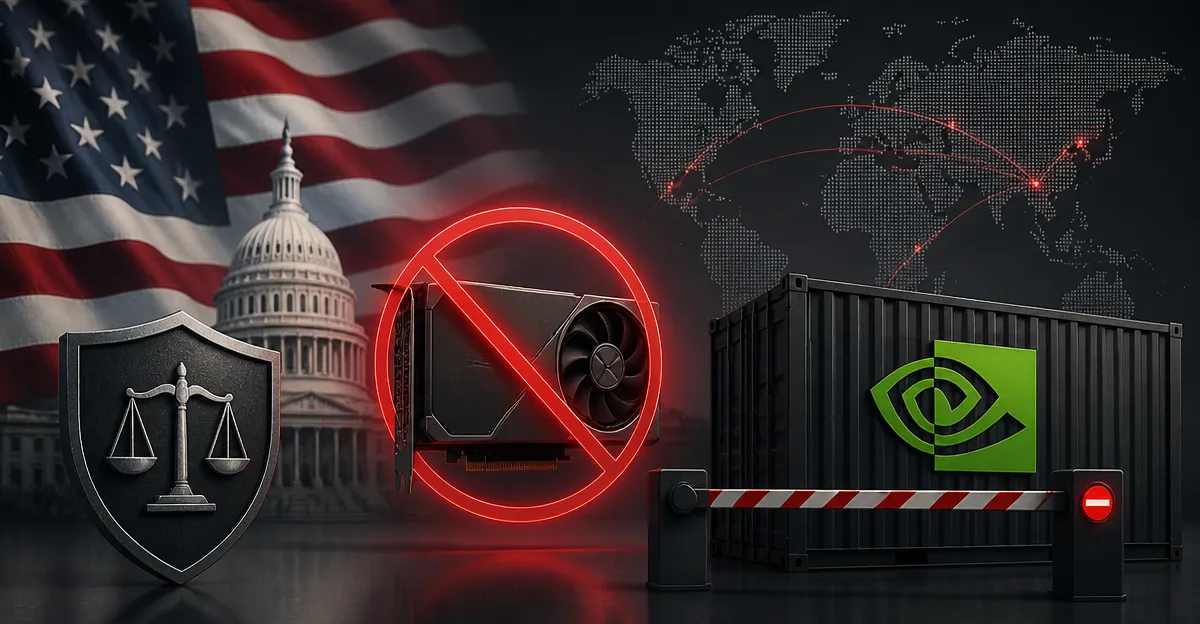
The survey landed during one of the most turbulent stretches for Japanese equities in recent memory. The Nikkei closed Friday at its lowest level since mid-April, rattled by fears that a new US Congress could impose tougher AI regulations and slow the data center buildout underpinning the global chip trade. Markets were shut Monday for a holiday. On Tuesday the index jumped nearly 4% after Nvidia reinstated Jensen Huang as chief executive, pulling investors back into AI-linked shares. Even after that rebound, the index remains roughly 20% below its June high.
The strategists' mid-2027 target of 65,000 and year-end target of 67,500 imply a recovery, not a return to record territory. By mid-2028, the poll projects the index at 69,000. That trajectory describes a market grinding higher on confirmed earnings rather than momentum, a sharp contrast to the vertical climb that carried the Nikkei past 72,000 earlier this year.
Why Strategists See Oversold Chips, Not Broken AI
The core argument from the bulls is that the selloff reflected valuation adjustment, not deteriorating fundamentals. Corporate earnings have already been confirmed, and the panic over AI infrastructure spending looks overdone once Washington clarifies the regulatory picture.
"Technology shares were oversold," Hiroyuki Ueno, chief strategist at Sumitomo Mitsui Trust Asset Management, said on Friday. "Worries over a slowdown of data centre construction will ease after a new (US) Congress starts in January with a clearer picture of the regulations to be installed."
That view finds support among researchers who track earnings rather than sentiment. Kohei Onishi, a senior investment researcher at Mitsubishi UFJ Morgan Stanley Securities, argued the decline was mechanical and that buyers will return once volatility fades.
"Once the market regains its composure, stocks are likely to be bought back to the level before the US midterm elections, with the potential for the Nikkei to reach new highs before the end of the year," he said.
The deeper tension sits in the gap between AI spending and AI revenue. Hyperscalers have committed ever-larger sums to data centers, power contracts, and custom silicon, and investors are now demanding proof that those outlays convert into profit. Yugo Tsuboi, chief strategist at Daiwa Securities, framed the shift precisely.
"While we do not expect medium- to long-term growth expectations for AI itself to recede, the market has entered a phase of verifying whether massive AI investments will translate into actual earnings growth," he said.
That verification phase carries a specific risk for Japan. The Nikkei's chip and semiconductor equipment names, including Tokyo Electron and Advantest, trade on the assumption that global AI capex keeps expanding. Any US regulatory friction that delays data center permitting or raises compliance costs would hit those exporters first. The poll's modest targets implicitly price in that risk.
The political calendar matters here. US midterm elections have reshuffled congressional priorities, and strategists expect a clearer regulatory framework once the new Congress convenes in January. Until then, headline risk around AI rules will keep volatility elevated. The Tuesday rebound on Nvidia's leadership news shows how quickly sentiment can flip in either direction.
Not everyone expects a smooth return to optimism. Hiroshi Namioka, chief strategist at T&D Asset Management, cautioned that the market psychology of May and June will not repeat easily.
"The market will unlikely see the rosy sentiment we saw in May and June this year," he said. "However, as the evolution of AI can be dubbed as an industrial revolution, we view this as a development that will lead to a sustainable growth story rather than just a passing fad."
The strategist consensus, then, is neither a call to abandon AI exposure nor a signal to chase the June highs. It is a bet that earnings catch up to valuations over the next two years, with the index recovering gradually rather than violently. The 20% drawdown from peak has reset expectations without breaking the underlying thesis.
Read: Wall Street Rebounds but AI Revenue Questions Persist
For investors watching Japanese equities, the practical takeaway is that the AI trade has matured into an earnings story. The easy money from multiple expansion has been made. What comes next depends on whether data center construction holds pace, whether Washington writes rules that the industry can live with, and whether chip demand from AI workloads keeps compounding. The poll's 69,000 mid-2028 target suggests strategists believe it will, just more slowly than the market once assumed.

Shamil has a low tolerance for AI that only works in controlled demos. He covers agentic systems and generative AI with the skepticism of someone who has seen too many “revolutionary” tools quietly disappear six months after launch.