July 16, 2026, (Inside AI) — The first generation to grow up with artificial intelligence as a constant companion is already here, and the window to shape their relationship with the technology is narrowing. Millions of children and teenagers now use AI tools to study, explore interests, and solve problems daily, turning what was once a workplace adoption curve into a formative childhood experience.
This shift creates both an extraordinary opportunity and a shared responsibility. AI can expand access to learning, creativity, and expertise in ways previously unimaginable—helping a hesitant student ask questions privately, letting a teenager work through confusion at their own pace, or enabling a teacher to adapt one lesson for different levels of understanding. In a country like India, where access to knowledge can change a life’s trajectory, that promise is especially significant.
But the promise will only be realized if safety keeps pace with use. History shows that transformative technologies scale best when protections scale with them. Electricity became trusted because societies built standards, insulation, and circuit breakers. Cars became safer because seat belts, licensing, and traffic rules became default. AI is entering a similar phase: the usefulness is well-established, but the opportunity is to build meaningful safeguards early enough for people to use these systems with confidence.
That requires a clearer framework than the public debate offers. Much of the conversation still swings between hype and fear—one view assumes the market will sort everything out, another that the only safe answer is to keep children away from AI altogether. The first understates the risks; the second ignores reality. Young people are already using these tools. The industry must make that access safer, more age-appropriate, and more responsible.
Pragya Misra, Head of Strategy & Government Affairs at OpenAI India, argues that safety must be foundational, not an afterthought. “It starts with companies like ours, where safety is not simply a feature added later. It is built into these systems from the outset, with initiatives such as the Teen Safety Blueprint,” she said. For younger users, that means stronger defaults, clearer boundaries, better detection of high-risk situations, and designs centered on well-being. It also means recognizing that when privacy, freedom, and safety come into tension for younger users, safety should carry special weight.
Misra emphasized that the burden cannot fall solely on parents to reverse-engineer risk, or on teenagers to navigate powerful technology alone. Parent agency matters—one of the clearest lessons of the social media era is that platforms moved too quickly for most parents to keep pace. With AI, parents need guidance they can use, controls they can understand, and enough visibility to shape how tools are used at home.
Teachers and schools must be treated as central actors. Because many young people use AI for learning, classrooms are where both the upside and the risks will appear first. Teachers need practical training, responsible-use frameworks, and guidance on academic integrity, critical thinking, and digital literacy. The aim should be to identify ways AI can strengthen learning rather than shortcut it.
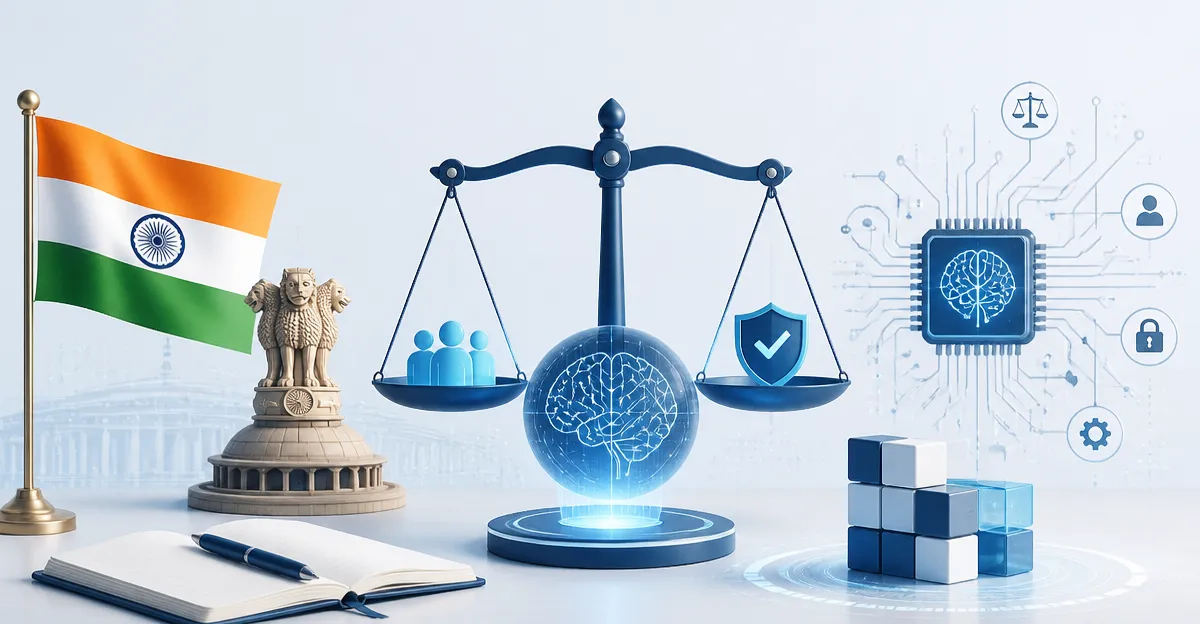
Policymakers should consider frameworks that build public trust. “The lesson from earlier technologies is that adoption works best when the rules are clear. In AI, that means age-appropriate standards, accountability for high-risk failures, clarity around data practices, and ongoing input from educators, child-safety experts, families, and young people themselves,” Misra said.
India stands at a unique moment. Its demographic dividend, entrepreneurial energy, and digital public infrastructure give it an opportunity to ensure AI expands opportunity at an unprecedented scale. As the country works toward the vision of an Atmanirbhar Bharat, AI can help unlock productivity, widen access to knowledge, and empower a new generation. But realizing that opportunity will require more than widespread adoption—it will require ensuring that access is accompanied by safety, trust, and the skills to use AI effectively and responsibly.
The challenge is not whether AI will be powerful or enough people will use it, but how quickly companies, schools, parents, and policymakers can build the safeguards and support systems around it.