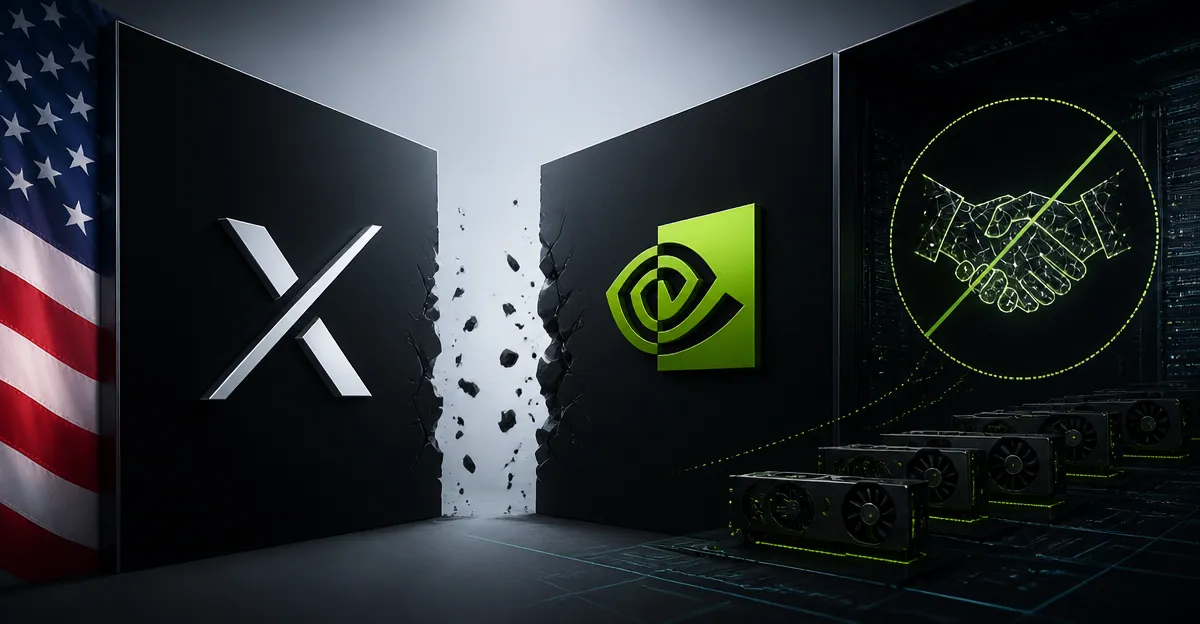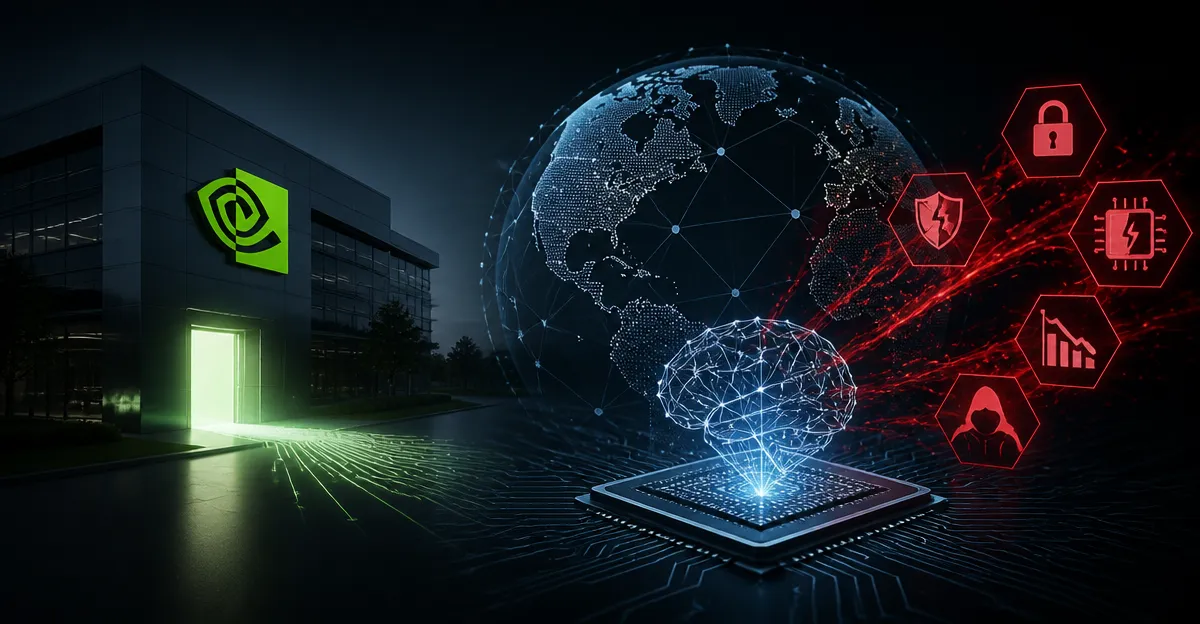
November 15, 2026, (Inside AI) — Nvidia's former CEO Jensen Huang has resigned amid a widening scandal involving a suspected Chinese spy and a Singapore-based cloud firm that allegedly funneled restricted American chips to China. The company announced his departure on Thursday, effective immediately, following revelations about his relationship with Alice Huang, a former executive at Megaspeed International. The FBI and Nvidia's board have launched inquiries, and the US Congress has called Huang to testify behind closed doors.
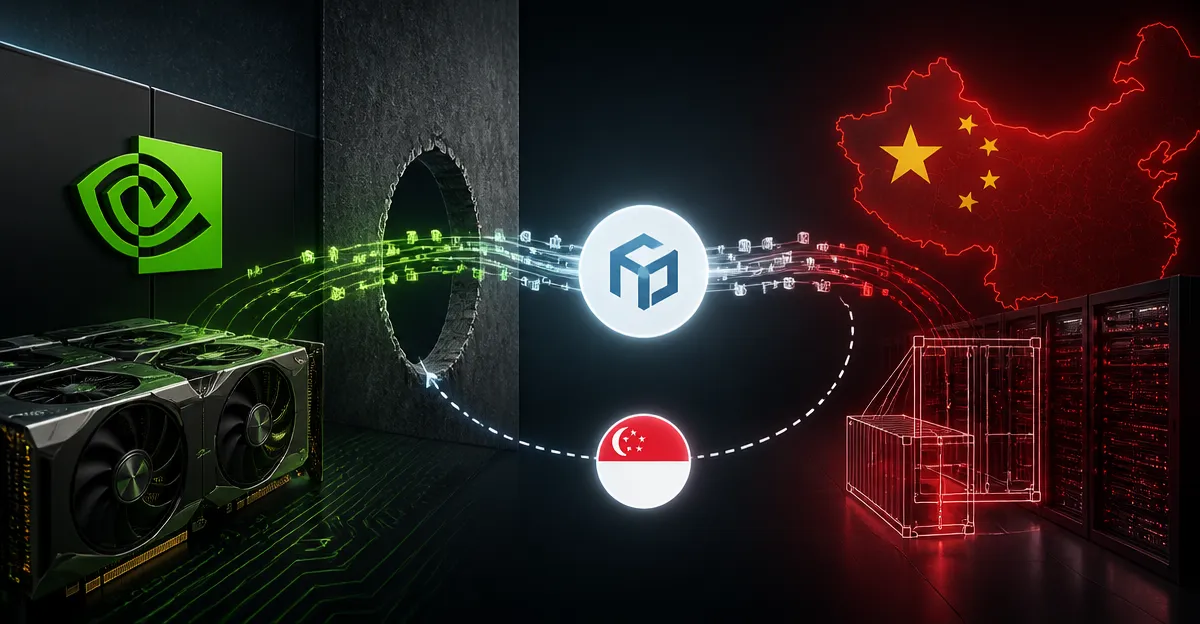
The case has thrust Nvidia, a $4 trillion chip giant, into the center of a national security debate over export controls. It also raises questions about how US semiconductor technology reaches restricted buyers through intermediaries. Megaspeed, an official Nvidia cloud partner, grew from an inactive Chinese gaming subsidiary into one of Asia's largest buyers of American semiconductors in just three years. The firm is now under investigation by Singaporean and US officials for allegedly passing Nvidia chips to illegal Chinese buyers.
How A Singapore Cloud Firm Became A Chip Conduit
Megaspeed's rise is tied to Alice Huang, also known as Huang Le, who played a vital role in establishing the company, according to corporate documents. US intelligence agencies believe she was spying for Chinese intelligence. Beijing has dismissed the espionage allegations as a "groundless" attempt to smear China. Megaspeed said on Sunday that Alice Huang officially left the company on August 30, 2025, and has no current role there.
The cloud firm discreetly infused billions of dollars of Nvidia chips into data centers across Southeast Asia. That expansion drew scrutiny from the Singaporean government and US officials, who feared the chips were being diverted to China. US export controls bar China from accessing the most advanced semiconductor technology, but they have also spawned a shadow industry of complex transactions, chip smuggling, and shell companies. Megaspeed is under investigation for its alleged role in enabling that trade.
Megaspeed CEO Tan Yong Pong said in a Thursday statement, "Megaspeed takes its compliance obligations under US export control laws extremely seriously. Compliance is a fundamental priority for the company, and Megaspeed is committed to working constructively and transparently with the US government."
The company also denied wrongdoing on Sunday: "Megaspeed is aware of recent media reports containing assertions about our business, supply chain and global operations that are not supported by verifiable evidence."
Jensen Huang's exit follows his admission of infidelity to his wife, Lori Huang. The scandal has intensified pressure on Nvidia, which has not commented on the specific allegations. The US Congress wants to know whether Huang's relationship with Alice Huang compromised company decisions or created a security breach.
This is not the first time US export controls have been tested by third-party intermediaries. In 2023, the US tightened rules to close a loophole that allowed chips to be shipped to China via countries like Singapore and Malaysia. The new case suggests those measures may not be enough. It also highlights the difficulty of policing a global supply chain where cloud providers can buy chips legally and then route computing power to restricted users.
For Nvidia, the scandal arrives at a delicate moment. The company dominates the market for AI chips, and its technology is central to the US-China tech rivalry. Any perception that Nvidia failed to vet its partners could invite stricter regulation. It could also embolden critics who argue that export controls are ineffective without stronger enforcement.
The FBI investigation and congressional testimony will likely focus on Megaspeed's dealings and Huang's role. If US officials find evidence of deliberate diversion, the case could lead to new penalties or even a broader crackdown on cloud partners. For now, Megaspeed insists it is cooperating and compliant. But the reputational damage is already done, and the spotlight on Nvidia's China connections is unlikely to fade soon.

Sofia spent years studying how machines parse human language before pivoting to cover the systems now rewriting it. She reads technical papers the way others read news and looking for what the numbers are actually saying beneath the headlines.