June 15, 2026, (Inside AI) — China’s youngest minds are now steering breakthroughs in aerospace, deep-sea tech, and artificial intelligence, according to a fresh think tank analysis. A report from Xinhua Institute, released Monday in Wuhan, positions these under-40 innovators as central to the nation’s push for technological self-reliance.
The study, titled “Chinese Youth: Strivers and Global Contributors in the New Era,” frames scientific modernization as the engine of China’s broader ambitions. It arrives as global rivalry heats up across AI, space, biomedicine, and new energy. The authors argue that escaping the middle-income manufacturing trap demands unlocking the creative force of a new generation.
From Factory Floor to Frontier Lab
China’s transition from assembly lines to intelligent manufacturing hinges on young talent. The report stresses that high-level self-sufficiency in science won’t come from established giants alone. It requires risk-taking startups and early-career researchers unafraid to challenge orthodoxies.
More than three million science and engineering graduates enter the workforce each year, per the National Bureau of Statistics. That pipeline is now being channeled into what the institute calls an “engineer dividend” — a shift from low-cost labor to high-value invention.
Concrete Wins in Orbit and Abyss
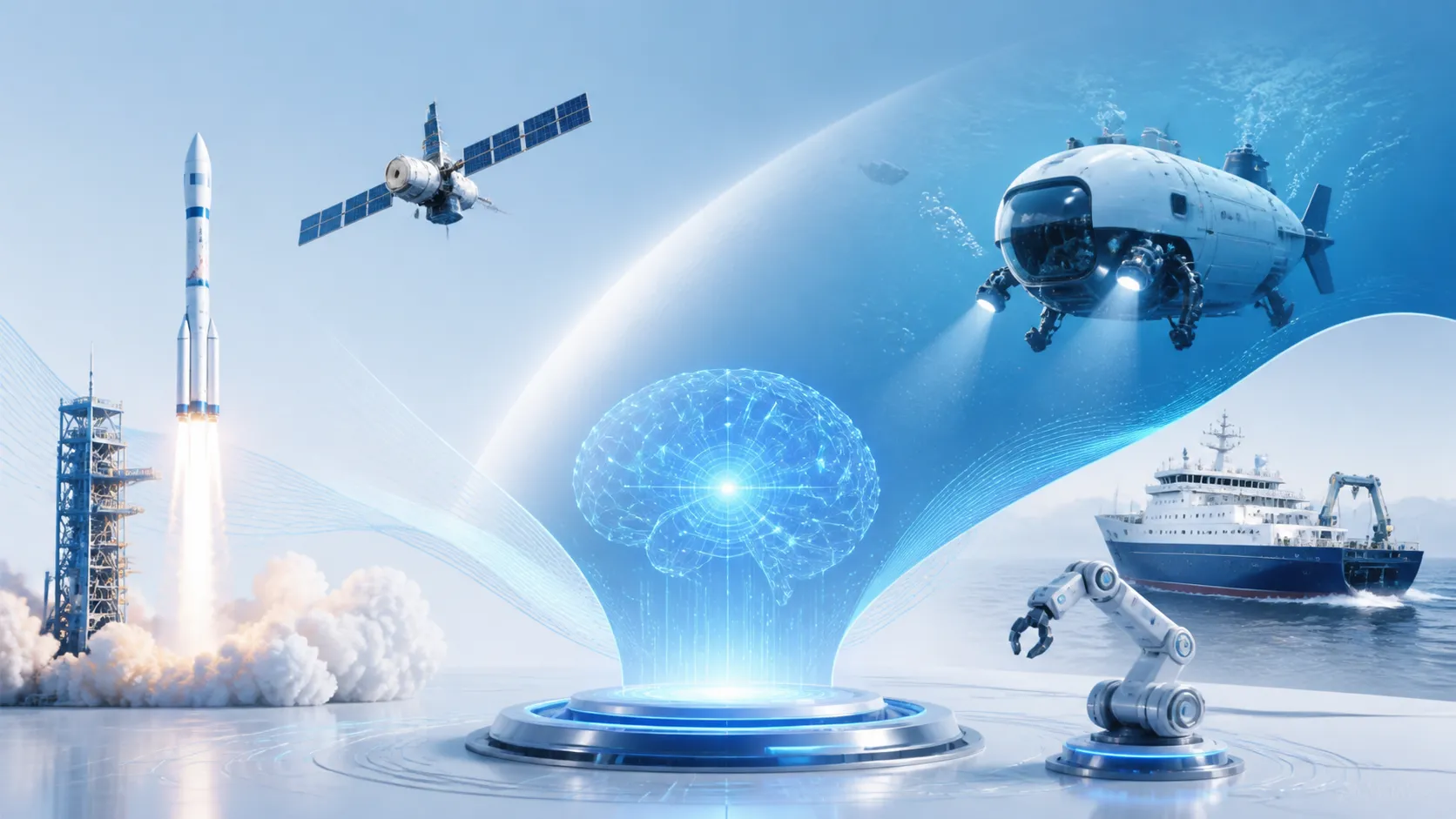
The report spotlights specific contributions. Young engineers helped build core systems for China’s space station. In the hadal depths, junior technicians proved vital to the Jiaolong manned submersible’s R&D. Meanwhile, youth-led AI startups are pushing boundaries in large models and novel algorithms.
These examples counter a common narrative: that China’s tech rise relies solely on state mandates or foreign IP. Instead, the institute paints a picture of organic, bottom-up innovation. Still, independent analysts caution that such state-backed reports often omit challenges like brain drain, censorship constraints on AI research, or the pressure-cooker culture in Chinese labs.
Reading Between the Lines
Absent from the glowing assessment is any mention of competing viewpoints. Some Western observers argue China’s top-down approach stifles the very creativity it claims to foster. Others point to a growing talent war with the U.S., where restrictive visa policies and academic espionage fears complicate collaboration.
The report’s framing also sidesteps the question of whether youthful energy alone can overcome systemic bottlenecks — like semiconductor sanctions or a risk-averse investment climate for deep tech. Yet the data on graduate numbers is undeniable. China now produces more STEM PhDs annually than any other nation.
“By unlocking their potential at the industrial frontier, these young people are turning the ‘engineer dividend’ into a tangible ‘innovation dividend,’ becoming a strong driving force for Chinese modernization,” the report states.
This language signals a deliberate policy pivot. Beijing increasingly views its demographic challenge — an aging population — as solvable through automation and AI, built by the very cohort it celebrates. Whether that bet pays off will depend on factors the report leaves unexplored: intellectual freedom, global cooperation, and the resilience of youth-led ventures in a tightly controlled ecosystem.