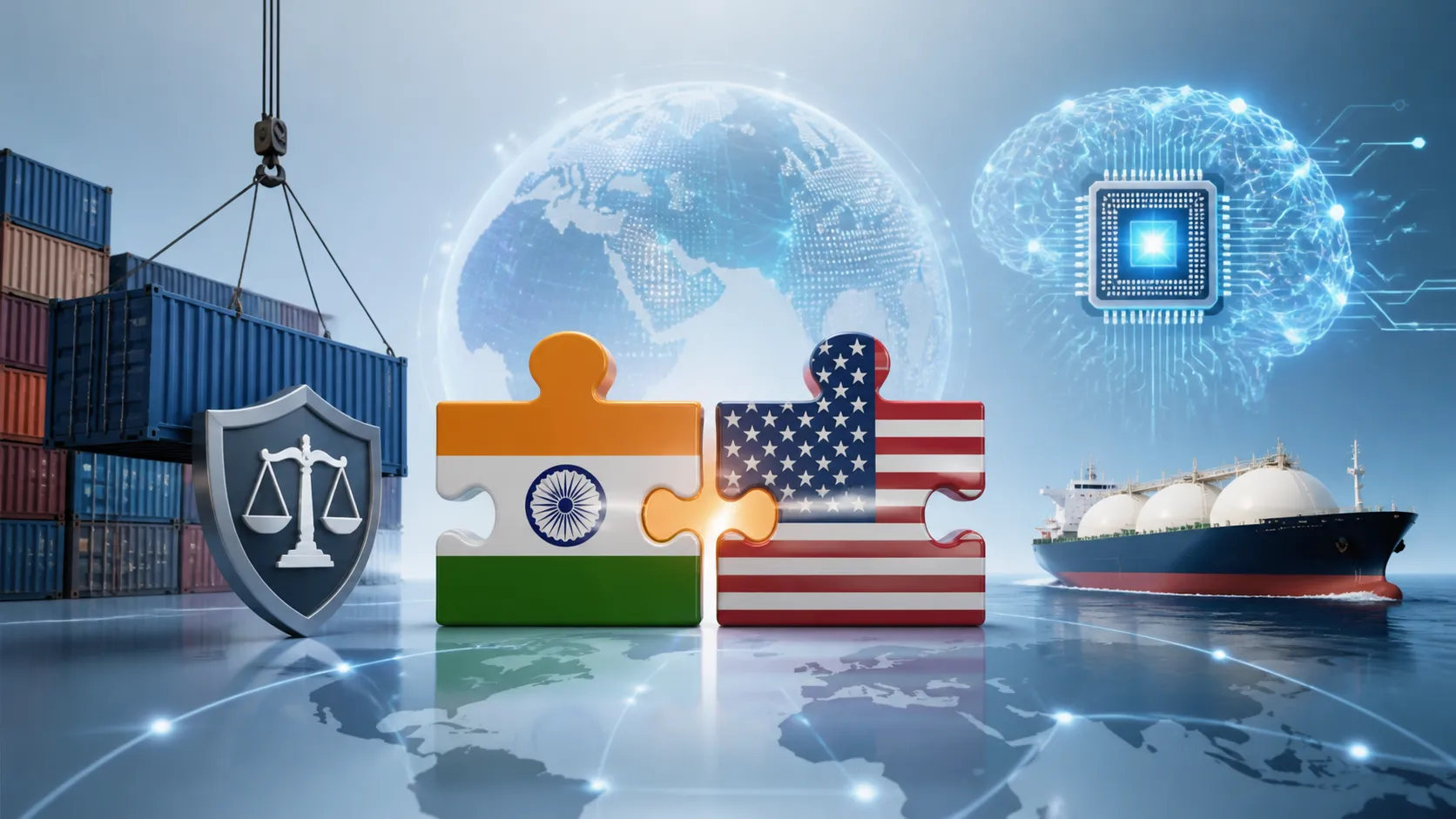
June 15, 2026, (Inside AI) — Three Indian seafarers died in a U.S. naval strike on a commercial oil tanker, escalating tensions between Washington and New Delhi. The incident compounds friction over new tariffs and sudden AI chip export curbs, raising doubts about the reliability of bilateral strategic frameworks.
A Trio of Crises Unsettles Old Assumptions
The Trump administration’s second term is proving a stress test for India-U.S. ties. In recent weeks, a proposed 12.5 percent tariff on Indian goods, a sweeping ban on foreign access to advanced AI chips, and the fatal tanker strike have converged to challenge the partnership’s foundations. Existing guardrails appear insufficient to manage the fallout.
The Tariff Pressure Point
The U.S. Trade Representative’s new 12.5 percent levy targets India directly. Officials frame it as a negotiating lever amid stalled trade talks, but analysts see it as a blunt instrument that could backfire. India’s commerce ministry has not yet retaliated, but domestic industry groups are urging a firm response.
AI Chip Controls Hit Tech Interdependence
An export-control directive now suspends all foreign national access to Fable 5 and Mythos 5 chips, inside or outside U.S. borders. India, with its massive tech diaspora and deep AI collaboration, is disproportionately affected. The move threatens joint research projects and supply chains that both nations have cultivated for years.
A Deadly Strike on the High Seas
The tanker attack killed three Indian crew members. The U.S. says it was enforcing a naval blockade against Iran. Under customary international law, a blockade permits interception, visit, search, and seizure. Yet the decision to destroy the vessel with civilians aboard raises questions of proportionality and whether India, as a neutral state, was denied protections.
India summoned the U.S. Charge d’Affaires to protest, but the diplomatic démarche may not suffice. Publicly available ship data includes crew and flag details. It is hard to believe the U.S. lacked an internal assessment of Indian nationals on board. Could India have been warned under existing strategic frameworks? The failure to do so erodes trust.
Strategic Frameworks Under Fire
The Trump administration’s actions seem to prioritize unilateral interests over partnership promises. For India, the political cost of justifying the strategic tie is rising. The killing of three Indians could wipe out gains from Secretary of State Marco Rubio’s visit last month, which was meant to paper over differences.
Kabir Taneja, visiting fellow at ORF America and deputy director of the Strategic Studies Programme at ORF, writes: “The Trump administration’s actions, tethered to Washington’s interests, may be undermining the promise of strategic frameworks.”
The question now is whether the relationship can absorb these shocks or if a fundamental reset is inevitable.