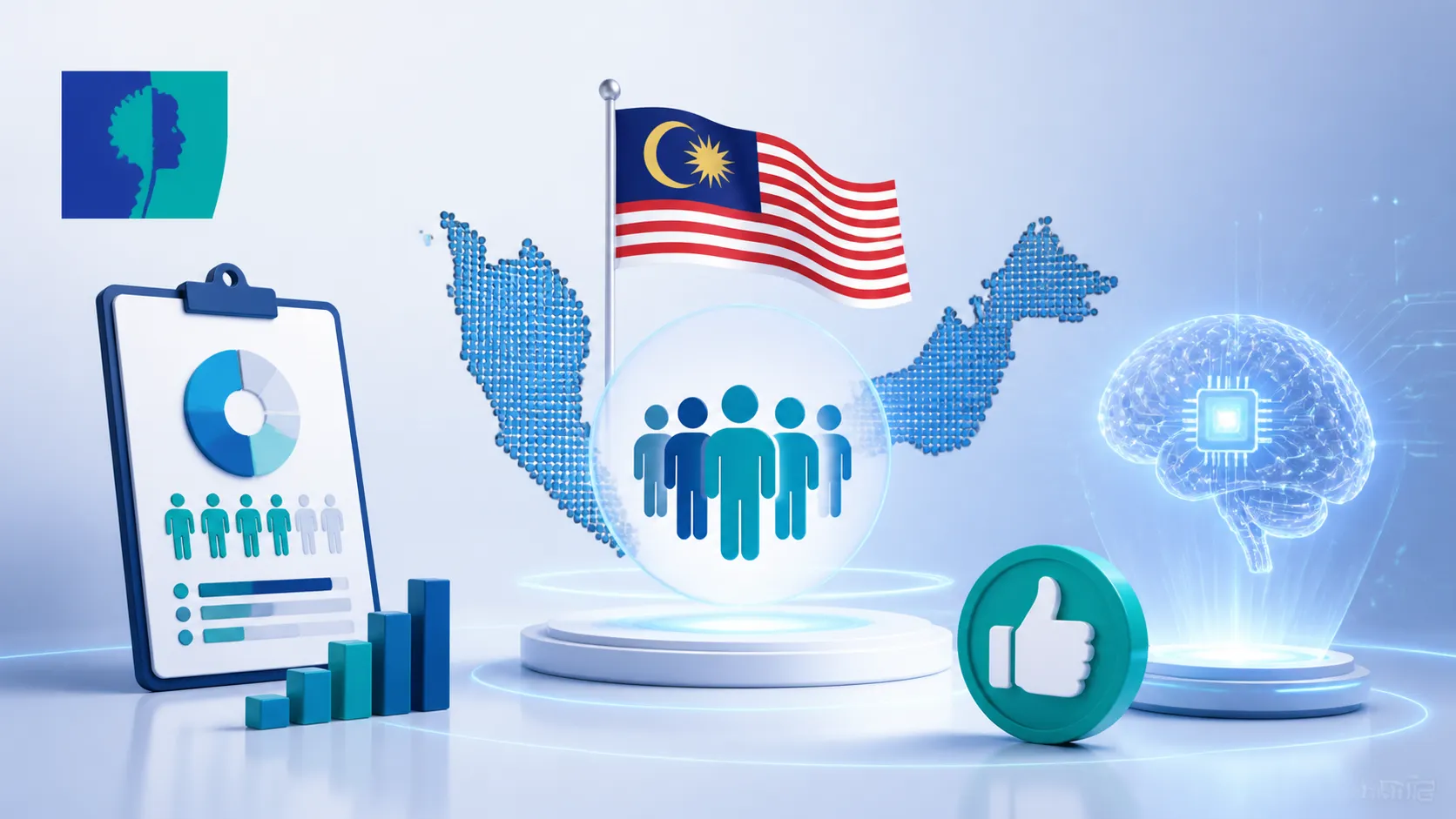
June 16, 2026, (Inside AI) — A sweeping new survey from global polling firm Ipsos reveals that Malaysians are embracing artificial intelligence tools with striking enthusiasm. The Ipsos AI Monitor 2026 found that 82 percent of Malaysian respondents said AI had saved them time at work over the past year, a figure that dramatically outpaces the global average of 62 percent.
A Tale of Two Outlooks: Personal Gains vs. Societal Fears
Malaysia’s warm reception to AI stands in stark contrast to the more cautious attitudes in Western nations. Overall, 70 percent of Malaysians believe AI products and services offer more benefits than drawbacks, compared to just 55 percent globally. That number drops to 44 percent in Western Europe and a mere 38 percent in the United States. Yet this optimism comes with a sharp edge: 73 percent of Malaysians fear AI will trigger significant job losses, exceeding the worldwide average of 65 percent.
Why Malaysia’s AI Embrace Runs Hotter Than the West
Several forces may explain the divergence. Malaysia’s youthful, tech-savvy population and government-led digital transformation initiatives have normalized AI tools in daily life. Rapid adoption of generative AI apps in workplaces and a cultural appetite for efficiency likely fuel the high time-saving perception. However, the country’s reliance on manufacturing and service sectors vulnerable to automation could stoke job anxiety even as individuals benefit personally.
When Personal Experience Clashes with Collective Worry
The data reveals a cognitive split: Malaysians trust AI to make their own work easier but doubt its impact on the broader labor market. This mirrors a global pattern where direct, positive encounters with technology don’t always translate into macroeconomic confidence. For Malaysia, the tension may reflect a pragmatic realism—workers see AI as a tool for now, but a threat to the system later.
Voices from the Ground: Ipsos’s Methodology and Scope
Ipsos fielded the survey on its Global Advisor online platform from March 20 to April 3, 2026, polling 23,532 adults across 32 countries and regions. The Malaysian sample included 500 respondents aged 18 to 74. While the online format may skew toward more digitally literate participants, the robust sample size lends weight to the findings.
What the Numbers Don’t Say: Industry and Policy Blind Spots
Absent from the report are breakdowns by industry, income level, or urban-rural divides—factors that could reveal which Malaysians are most exposed to AI disruption. Without this granularity, the headline figures risk masking deep inequalities in AI readiness and vulnerability across the nation’s workforce.
Looking Ahead: A Blueprint for Balanced AI Integration
Malaysia’s high AI acceptance offers a unique opportunity for policymakers and businesses to shape a human-centric transition. Upskilling programs, social safety nets, and inclusive tech design could convert fear into empowerment. As the global AI race accelerates, Malaysia’s experience may serve as an early indicator of how developing economies navigate the promise and peril of intelligent machines.