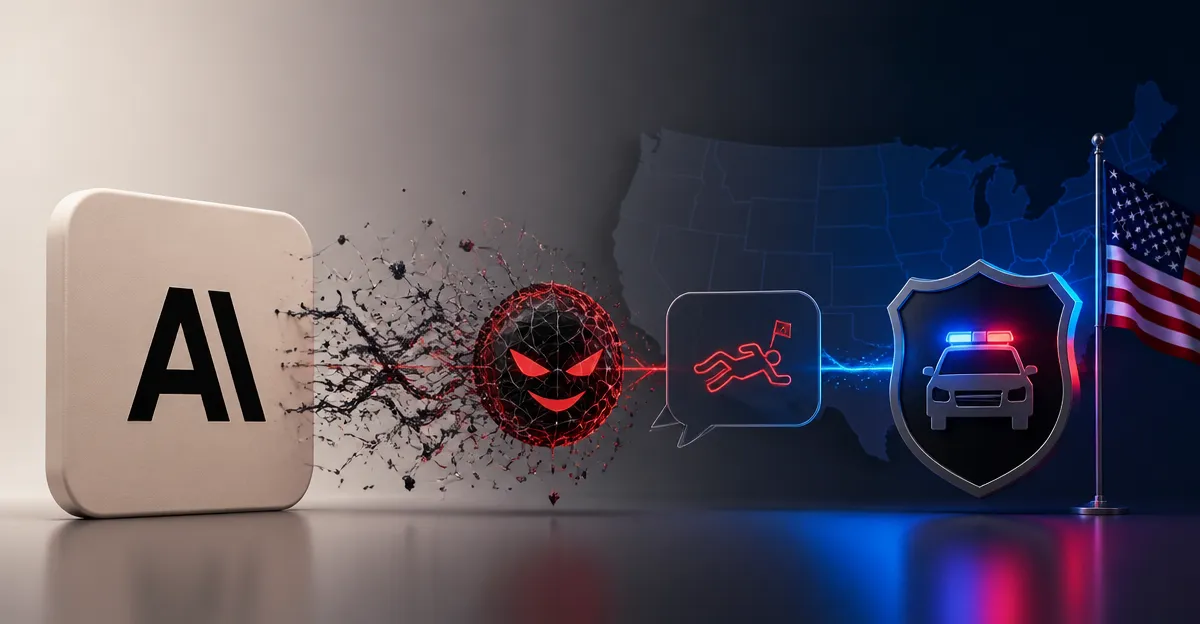
June 26, 2026, (Inside AI) — The United States has privately assured India that future artificial intelligence models will not face abrupt access bans, days after Washington halted Anthropic’s advanced systems on national security grounds. A senior Indian official disclosed the commitment to the South China Morning Post on Thursday, signaling a delicate balance between security controls and allied trust.
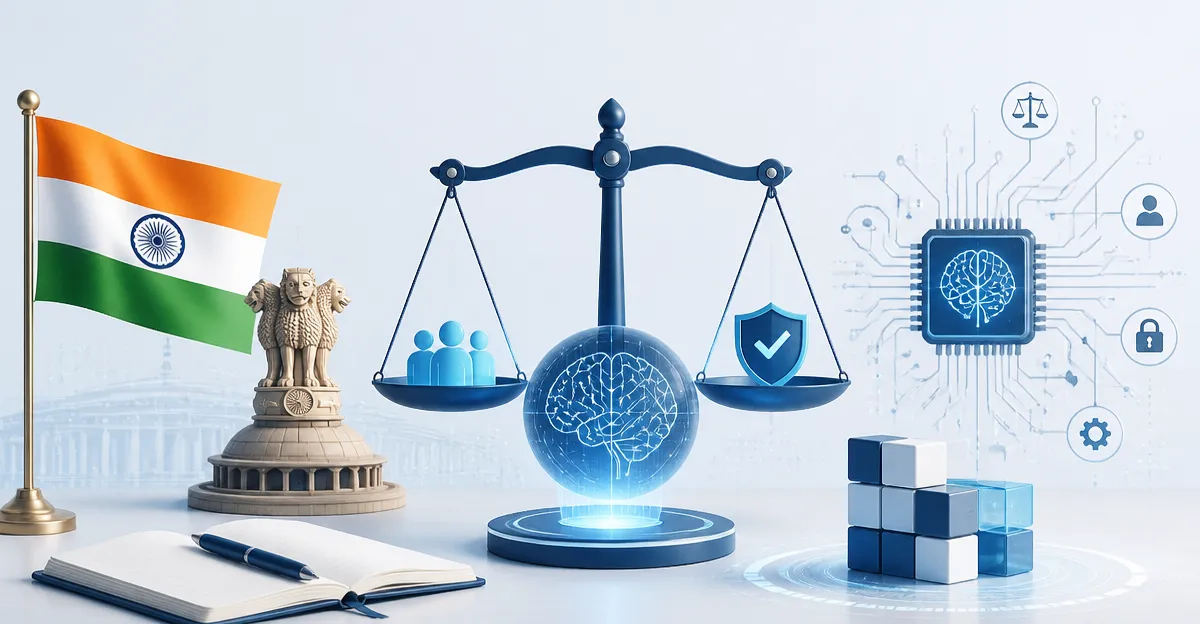
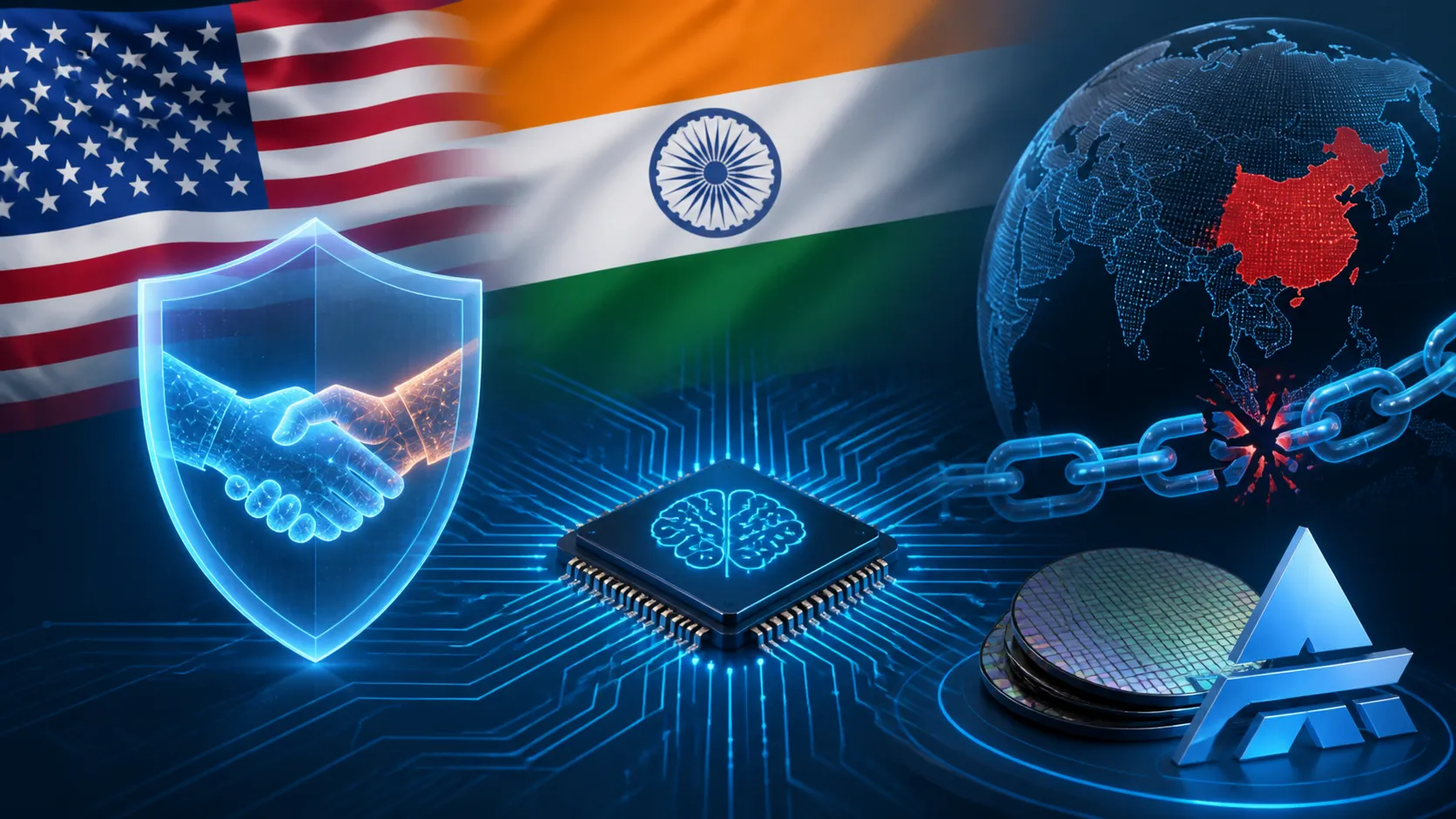
S. Krishnan, secretary of India’s Ministry of Electronics and Information Technology, confirmed the understanding. He led India’s delegation at the “Pax Silica” summit in Washington—a US-led initiative to build AI supply chains excluding China.
“There was an understanding, and something that they [US officials] certainly mentioned, that access to technology, once it is provided, will not be cut off. I think that was an assurance,” Krishnan said.
The assurance follows the US government’s sudden ban on two Anthropic models, citing national security risks. The company then cut off global access without warning, alarming international partners reliant on American AI infrastructure.
India raised its concerns over the so-called AI “kill switch” during bilateral talks on the summit’s sidelines. The episode exposed the fragility of cross-border AI dependencies, especially for nations aligning with the US against China’s tech ecosystem.
“The American concern is fundamentally how these models could potentially be used, and they were looking at a review mechanism for some of this internally before they are released,” Krishnan told the SCMP.
Assurance Amid Escalating Tech Decoupling
Pax Silica aims to forge trusted AI supply chains free from Chinese influence, mirroring the CHIPS Act’s semiconductor strategy. India, a key partner, hosts massive data infrastructure and a growing AI workforce. Yet the Anthropic incident tested that partnership’s resilience.
The US has not disclosed the specific threat that triggered the ban. Analysts suggest it may involve advanced reasoning capabilities that could accelerate weapons development or cyber operations. The internal review mechanism Krishnan referenced hints at pre-release scrutiny, not post-deployment shutdowns.
India’s Ministry of Electronics and Information Technology declined to elaborate on the nature of the assurance. However, experts note that such guarantees are rare in export control regimes, which typically reserve the right to revoke access unilaterally.
For India, the stakes are high. Its national AI strategy depends on Western models for critical sectors like healthcare and defense. A sudden cutoff could disrupt services and erode confidence in US technology partnerships.
Meanwhile, Anthropic has remained silent on the ban’s specifics. The company’s abrupt compliance underscores the sweeping power of US national security directives over AI firms, even those with global user bases.
Trust Deficits and Supply Chain Risks
The incident reveals a structural tension in Pax Silica’s architecture. While the US seeks to exclude China from AI supply chains, it must also reassure allies that their access won’t become a geopolitical bargaining chip.
Some observers argue that the assurance to India may not be legally binding, leaving room for future reversals under different administrations. Others point to the broader pattern of US technology controls, from Huawei to TikTok, where national security often overrides commercial contracts.
India’s delegation reportedly pressed for clearer protocols on model governance and advance notice of restrictions. The US did not publicly commit to specific timelines, but the dialogue marks a step toward codifying trust in AI alliances.
As Pax Silica expands, similar friction points may emerge with other partners like Japan and the European Union. The Anthropic episode serves as a cautionary tale: in the race to decouple from China, the US must avoid alienating the very allies it seeks to enlist.