July 2, 2026, (Inside AI) — The U.S. government is in advanced talks with leading artificial intelligence companies to establish voluntary standards for the release of new AI models, the Financial Times reported on Wednesday, citing people familiar with the matter. An announcement could come as early as next week.
The discussions, which have been ongoing for months, aim to create a framework that would guide how companies test, document, and disclose the capabilities and risks of frontier AI systems before they are made public. The voluntary nature of the standards reflects a delicate balance between fostering innovation and addressing safety concerns.
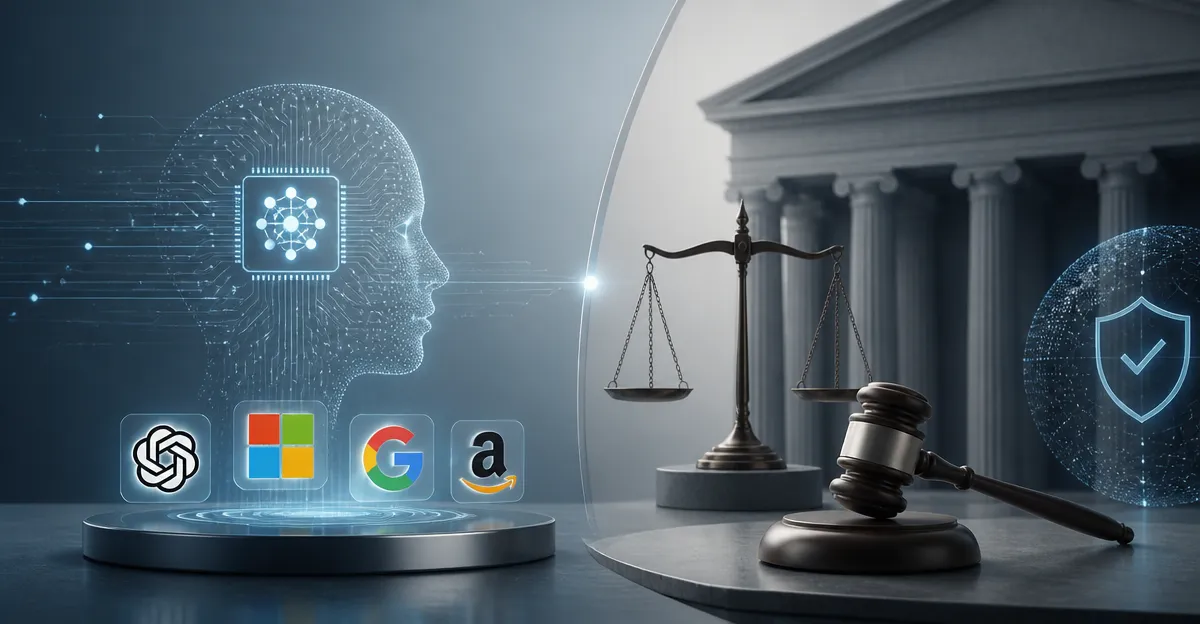
While the exact companies involved have not been named, the talks likely include major players such as OpenAI, Google DeepMind, Anthropic, and Meta. These firms have previously engaged with the White House on AI safety commitments, including the 2023 voluntary pledges to manage risks and share information.
The new standards would go beyond those pledges by setting more concrete expectations for pre-release testing, red-teaming, and transparency reports. The goal is to create a consistent baseline that all major developers would follow, reducing the patchwork of individual company policies.
Read: U.S. AI Regulation Problematic and Inconsistent, Says Sixth Street’s Martin Chavez
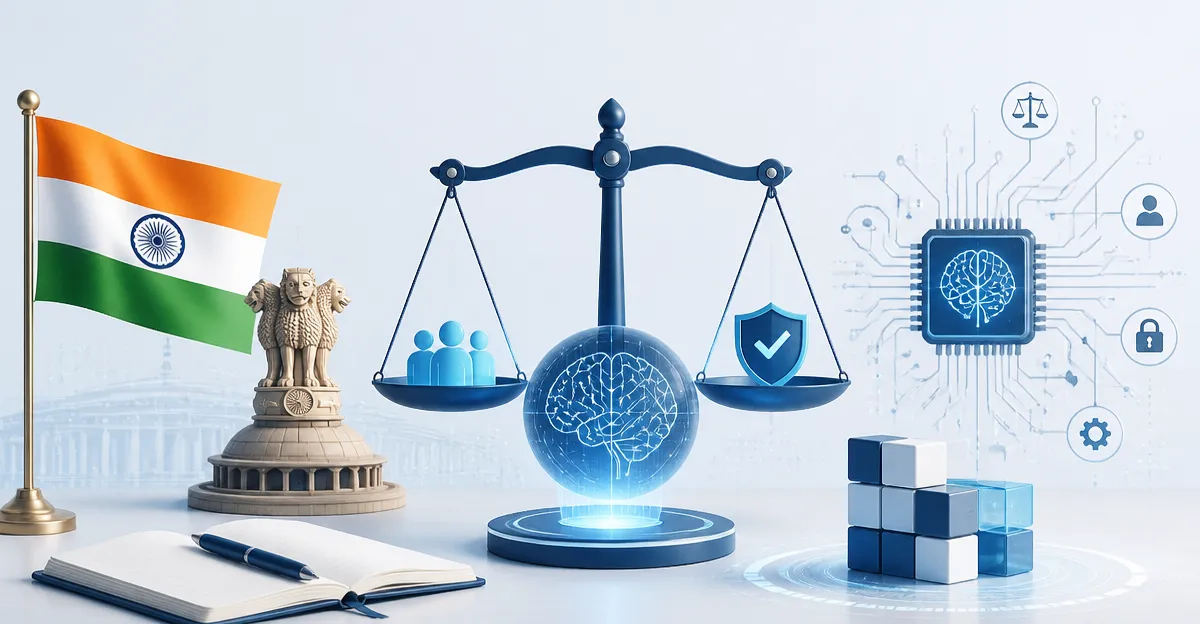
This initiative comes amid stalled legislative efforts in Congress to regulate AI. Lawmakers have introduced multiple bills, but none have gained enough traction to become law. The voluntary approach allows the administration to act quickly without waiting for a divided Congress.
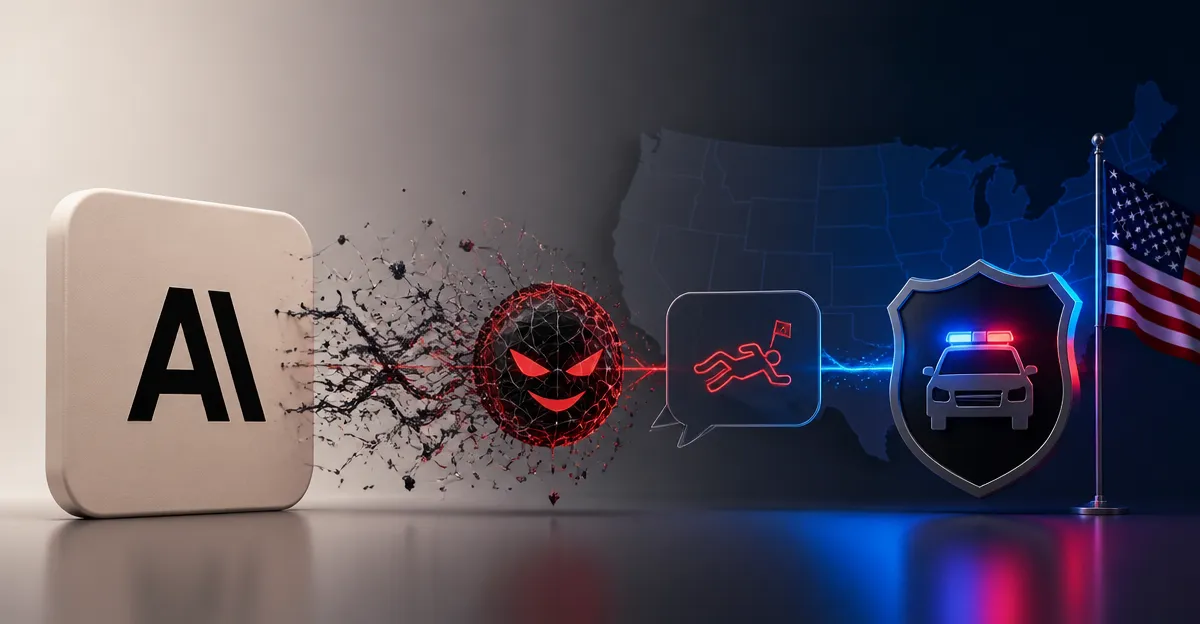
However, critics argue that voluntary standards lack enforcement mechanisms and may not be sufficient to address catastrophic risks. Some experts point to the European Union’s AI Act as a more robust regulatory model, though it has faced its own implementation challenges.
The U.S. approach also reflects a broader geopolitical competition. China has been rapidly advancing its own AI capabilities, and the U.S. wants to maintain its lead while setting global norms. The voluntary standards could serve as a template for international cooperation.
Industry insiders note that many companies already conduct extensive safety testing internally. The challenge is standardizing those practices without stifling innovation or revealing proprietary information. The talks have focused on defining what constitutes adequate testing and how results should be shared with the government and the public.
The announcement, if it happens next week, would likely be made by the White House or the Department of Commerce. It would mark a significant step in the U.S. government’s evolving relationship with the AI industry, moving from hands-off to collaborative oversight.
In the absence of formal regulation, these voluntary standards could become de facto requirements, especially if the government ties them to procurement or funding opportunities. Companies that fail to comply might face reputational risks or lose federal contracts.
Read: UN Panel Warns Unchecked AI Progress May Pose Catastrophic Risks Globally
The timing is notable as the 2026 midterm elections approach, and AI policy remains a hot-button issue for voters concerned about job displacement, misinformation, and privacy. The administration may be seeking a tangible win to demonstrate action on technology governance.
Looking ahead, the success of this initiative will depend on the specific commitments made and the mechanisms for accountability. Without independent auditing or penalties, the standards may do little to prevent a rushed or unsafe release. Yet, they could build trust and establish a foundation for future legislation.