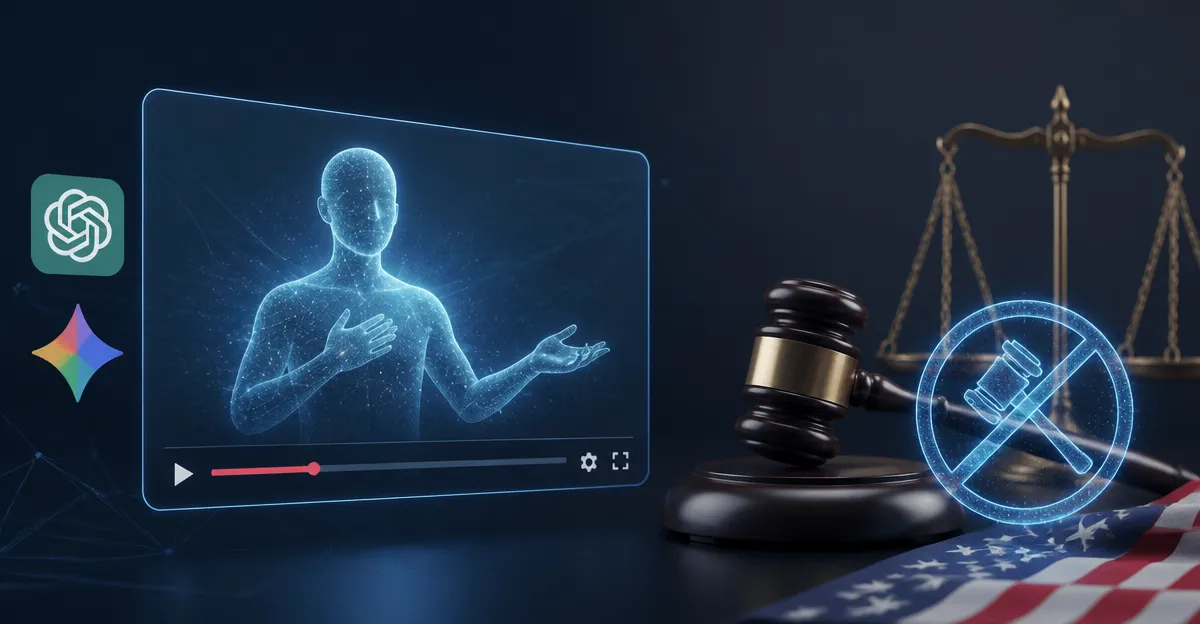
July 6, 2026, (Inside AI) — Midjourney, the artificial intelligence image generator, has asked a U.S. federal court to compel Disney, Universal, and Warner Bros to disclose internal AI projects, escalating a high-stakes copyright lawsuit that could redefine fair use for generative AI. The motion, filed late Thursday in the Central District of California, challenges a prior discovery order that limited studio disclosures to consumer-facing AI-generated images and videos.
Midjourney argues that evidence of the studios’ own use of AI for tasks like storyboarding or concept art is critical to its defense. The company contends that such practices would demonstrate an industry-wide acceptance of training models on copyrighted material, undermining the studios’ infringement claims.
The Discovery Dispute: A Clash Over Evidence
The lawsuit, initiated by Disney and Universal in 2025 and later joined by Warner Bros, alleges that Midjourney’s models can produce images of protected characters like Bart Simpson and Darth Vader. Midjourney asserts that its training on publicly available data is protected by the fair use doctrine, a legal defense that permits limited use of copyrighted material without permission.
In a pivotal ruling, a judge previously narrowed the studios’ disclosure obligations to consumer-facing outputs. Midjourney now seeks to overturn that limitation, insisting that internal AI tools are directly relevant. The company’s filing states that if studios are building image-generation systems for pre-production, it would prove that “training AI models on copyrighted material has become an accepted industry practice.”
Midjourney also demands that the studios produce every prompt entered into its platform and all resulting outputs, not just those yielding allegedly infringing images. This, the company argues, would provide a complete picture of user interactions and potential non-infringing uses.
Read: US Publishers Sue Google Over Gemini AI Training With Copyrighted Books
The studios, represented by lead attorney David Singer, have vigorously opposed the request. Singer previously characterized Midjourney’s efforts as a “fishing expedition,” arguing that internal projects are unrelated to the copyright claims. The studios maintain that their lawsuit is not anti-innovation but a defense of intellectual property rights.
Broader Implications for AI and Copyright
This case is one of the most significant legal tests for generative AI and copyright, with potential ripple effects across the tech and entertainment industries. If the court grants Midjourney’s motion, the discovery process could force Hollywood studios to reveal the extent of their AI adoption, possibly exposing a double standard.
Legal experts note that the fair use defense hinges on four factors: the purpose and character of the use, the nature of the copyrighted work, the amount used, and the effect on the market. Midjourney’s strategy aims to challenge the market harm argument by showing that studios themselves use AI without licensing every piece of training data.
Historically, copyright battles have shaped technological progress—from the player piano to the VCR. The Supreme Court’s 1984 Sony Betamax decision established that technologies with substantial non-infringing uses are legal. Midjourney may be laying groundwork for a similar argument, suggesting that its AI has legitimate applications beyond generating copyrighted characters.
Meanwhile, the case underscores the tension between protecting creators and fostering innovation. The studios argue that Midjourney should not copy movies, shows, and characters without permission, while Midjourney points to the industry’s own reliance on fair use for creative tools.
Read: George Lucas Says AI in Film Is Unstoppable, Dismisses Critics as Luddites
The court is expected to rule on the discovery motion within weeks. A trial date has not been set, but the outcome of this procedural battle could significantly shape the evidence presented and the ultimate interpretation of fair use in the age of generative AI.