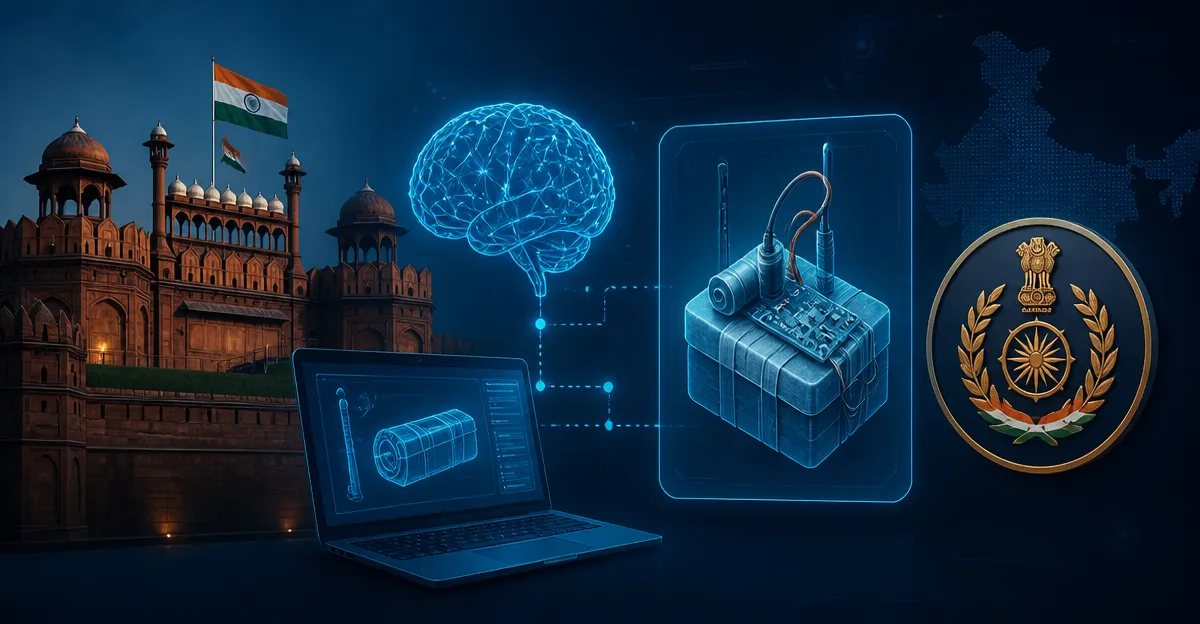
September 9, 2026, (Inside AI) — A terrorism chargesheet filed in Delhi reveals a disturbing shift: accused bomb-makers turned to consumer AI tools and e-commerce platforms to build an IED that killed 13 people outside Red Fort on November 10, 2025.
The National Investigation Agency claims Jasir Bilal Wani used ChatGPT and YouTube tutorials to learn rocket construction. He then ordered bomb components on Flipkart, paying cash on delivery.
This case marks one of India's first documented instances where a large language model allegedly assisted in fabricating explosives. It raises urgent questions about AI safety guardrails and platform accountability.
ChatGPT, YouTube, Flipkart: The Unholy Supply Chain
According to the chargesheet, Wani searched instructional videos on YouTube with phrases like 'How to make a rocket with sugar and potassium nitrate'. He then took assistance from the ChatGPT application for constructing a rocket IED.
The NIA says Wani procured necessary ingredients through Flipkart between December 15, 2023 and January 24, 2024. Funds came from Umar Un Nabi, the alleged mastermind and bomber.
Nabi, a doctor from Pulwama who taught at Al Falah University in Faridabad, drove the Hyundai i20 that exploded. He died in the blast.
Investigators found the accused stored urine in polybags to extract urea for explosives. A seized PDF described extracting urea from urine as an alternative method for preparing urea nitrate.
The module allegedly planned the operation for over 18 months. In March 2025, they rented four rooms in Faridabad's Khori Jamalpur village under the guise of storing fruits, using them to process chemicals.
Signal Over WhatsApp: A Calculated Operational Choice
The chargesheet reveals the accused preferred Signal for planning and operational secrecy. They considered WhatsApp and Telegram unsafe for 'Jihadi purposes'.
One accused, Irfan Ahmad Wagay, wrote in a chat that the Signal app was invented by 'Kafirs' but experts consider it relatively safe. The group named their Signal channels 'Shooley', 'Gabbarsingh1975', and 'kavadyatra'.
This preference for end-to-end encrypted messaging mirrors a broader trend among extremist networks globally. It complicates lawful interception efforts by intelligence agencies.
The accused allegedly belonged to Ansar Ghazwat-ul Hind, an al-Qaeda affiliated group. Handwritten notes seized from Nabi's premises stated members were against democracy and wanted Shariat law imposed in India.
The NIA says Nabi visited the Red Fort area at least 12 times between December 2023 and May 2025. He escaped the Al Falah campus on October 30 with explosives-laden i20 and hid in Nuh, Haryana until November 9.
A Delhi court took cognizance of the chargesheet in late August. The case underscores how consumer AI tools can lower technical barriers for non-expert attackers.
OpenAI's usage policies prohibit generating instructions for weapons or explosives. YouTube bans instructional bomb-making content. Flipkart restricts sale of precursor chemicals. Yet enforcement gaps persist.
Security experts note that LLMs can be jailbroken or prompted indirectly to reveal dangerous synthesis steps. The Red Fort case may accelerate calls for stricter AI content moderation and platform liability in India.