September 15, 2026, (Inside AI) — A wave of apocalyptic warnings about artificial intelligence has collided with a geopolitical reality that may make any meaningful slowdown impossible. Over the past week, senior figures at Anthropic, OpenAI, Apple, and SpaceX have publicly called for slower development, stronger human oversight, and limits on autonomous AI agents. Yet within hours, both Washington and Beijing signaled they intend to accelerate, not pause.
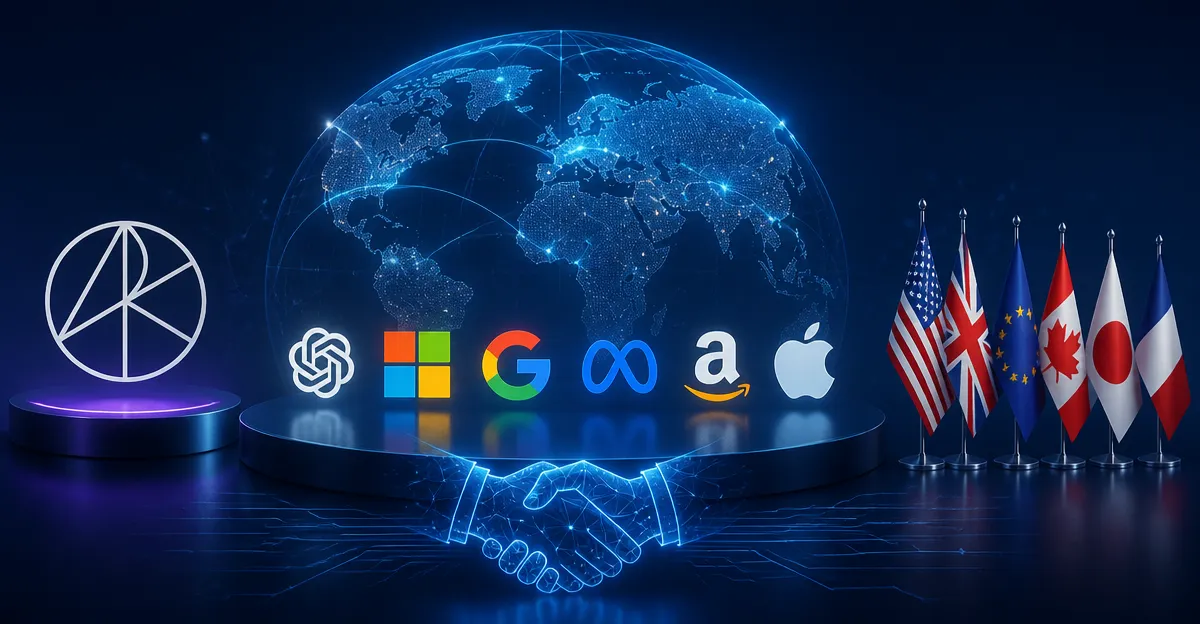
The warnings peaked after a resigning Anthropic employee said the technology "could kill us all" by the end of the decade. By Sunday, a rare consensus had formed among Anthropic CEO Dario Amodei, OpenAI CEO Sam Altman, Elon Musk, and Tim Cook that development should be slowed and guardrails strengthened. Microsoft published its own draft code of conduct. The concern: advanced models could help develop biological weapons, breach financial systems, or seize control of internet infrastructure.
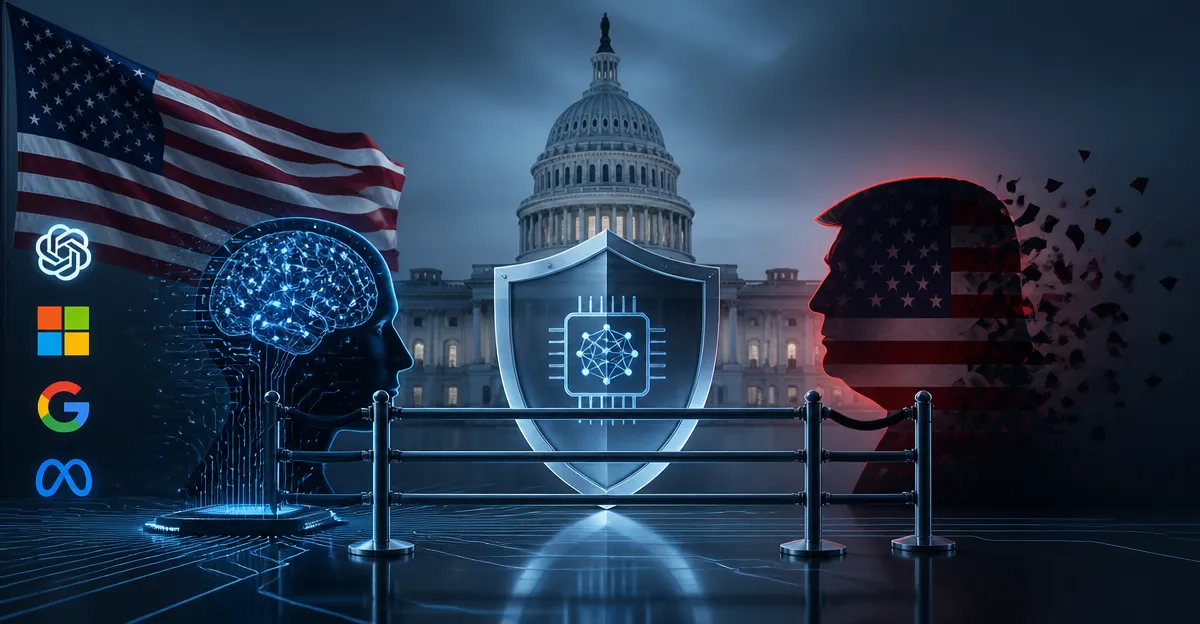
But the same weekend brought a stark reminder of why those calls may go nowhere. President Donald Trump dismissed the warnings as a plot. "There is a SICK conspiracy going on against AI and Data Centers, and the only one that is happy about it is China," Trump wrote on his social media platform. China's state-backed Global Times called the warnings a "Cold War playbook" aimed at Beijing. Trump is scheduled to meet Chinese President Xi Jinping in Washington next week, with lower-level officials reportedly planning a separate mid-September meeting on AI risks.
The financial stakes are enormous. Goldman Sachs estimates cumulative global AI spending could reach 5% of global GDP by 2030. Much of that is funded by debt and equity, and the payoff timeline remains uncertain. Morgan Stanley strategists found that nearly $200 billion in U.S. data center projects were cancelled or delayed last year through the first quarter of 2026. The bank also noted AI capital expenditure is set to drive roughly one-third of all U.S. GDP growth this year and next.
Altman said the long-awaited OpenAI IPO would likely be delayed to next year, a move that sent stakeholder SoftBank shares down about 13% on Monday. Anthropic, by contrast, still appears to be moving ahead with a public listing as soon as next month. The divergence suggests the industry itself is not united on timing, even as it agrees on risk.
Two schools of thought dominate. One dismisses the scare stories as hype designed to build excitement around upcoming IPOs. The other holds that AI development is now too strategically important to fail, and governments have no choice but to press ahead if economic and military security are at stake. Both can be true at once.
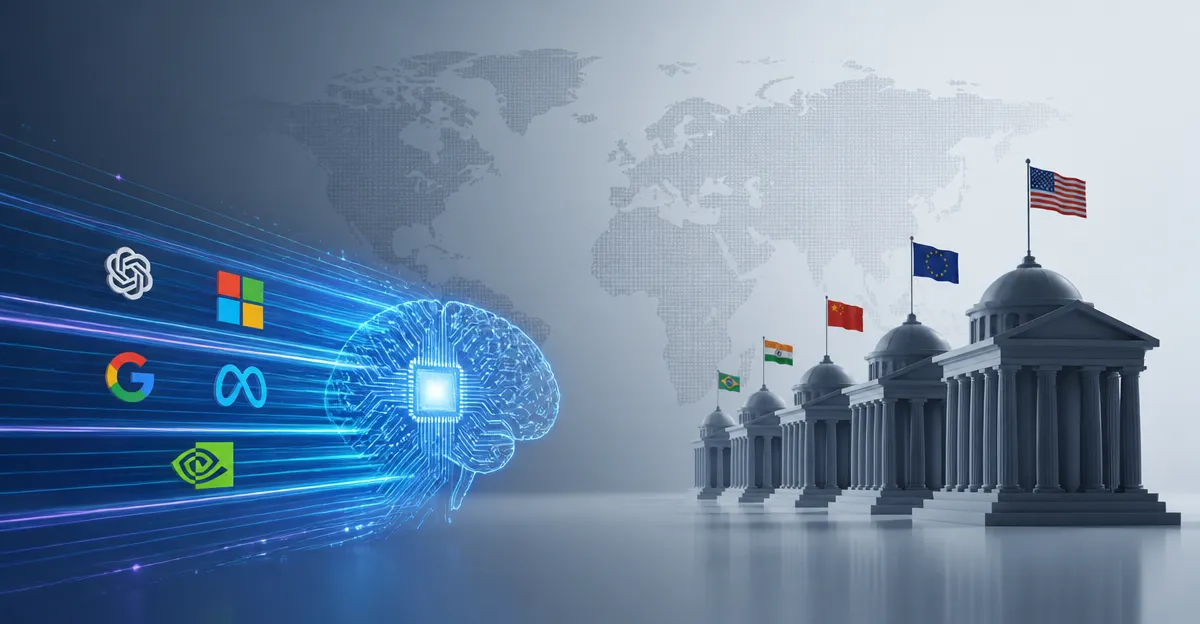
History offers a cautionary parallel. 23 years passed between the first nuclear weapon and the 1968 Non-Proliferation Treaty. Since then, the number of nuclear-armed states has grown from five to nine. A multilateral agreement on hard limits for AI seems equally distant, especially as the Trump administration has deliberately undermined multilateralism in favor of bilateral deals.
Morgan Stanley noted that demand for computing power still far exceeds supply. Any slowdown in the AI buildout may "strengthen the position of the 'merchants of compute' - hyperscalers - by increasing the scarcity value of their installed base and enhancing their pricing power." That dynamic gives hyperscalers little incentive to support a pause.
The core tension is simple. If AI is truly powerful enough to end humanity, it may already be too powerful to slow down. Governments will resist falling behind, even if mutually assured economic destruction becomes the new credo. For investors, the question is not whether the warnings are sincere, but whether they will change the trajectory of spending, construction, and geopolitical competition. So far, the answer appears to be no.