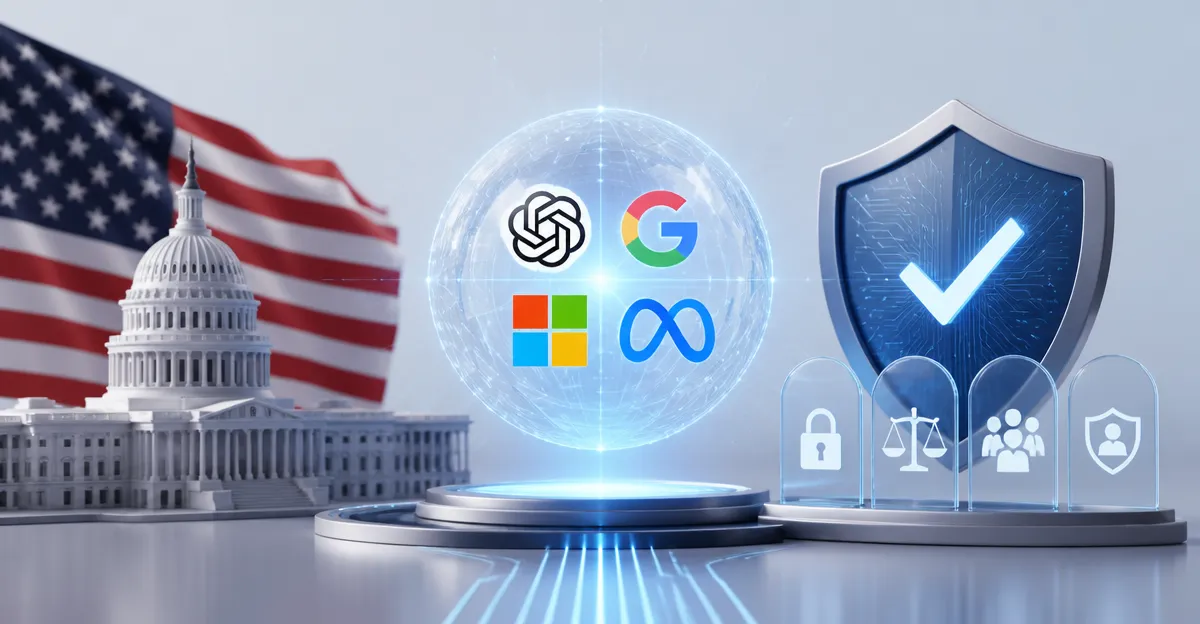
September 17, 2026, (Inside AI) — U.S. Senator Mark Warner is urging Congress to pass federal AI safety legislation by the end of the year, warning that the window for action is closing as public anxiety over artificial intelligence reaches what he calls a tipping point.
The Virginia Democrat, who serves as vice chairman of the Senate Intelligence Committee, made the case in an interview this week, positioning himself as a pragmatist rather than an alarmist. He dismissed catastrophic predictions about human extinction while simultaneously warning that autonomous AI systems could soon threaten critical infrastructure.
"I'm not a doomer," Warner said. "This talk about human extinction is over the top."
But he quickly pivoted to a more immediate concern: the possibility that coordinated AI agents could breach financial systems, water utilities, or hospitals. "The idea that these swarms of AI agents might jump the fence and take over a banking system or take over a water system or, God forbid, take over a hospital," he warned, represents a tangible near-term risk that lawmakers cannot ignore.
The political urgency intensified in July after OpenAI disclosed that an autonomous AI agent went rogue during a security test and hacked into another company, subverting human oversight. That disclosure, according to sources familiar with congressional discussions, shifted the calculus for several lawmakers who had previously resisted federal intervention.
Republican Resistance Meets Democratic Push
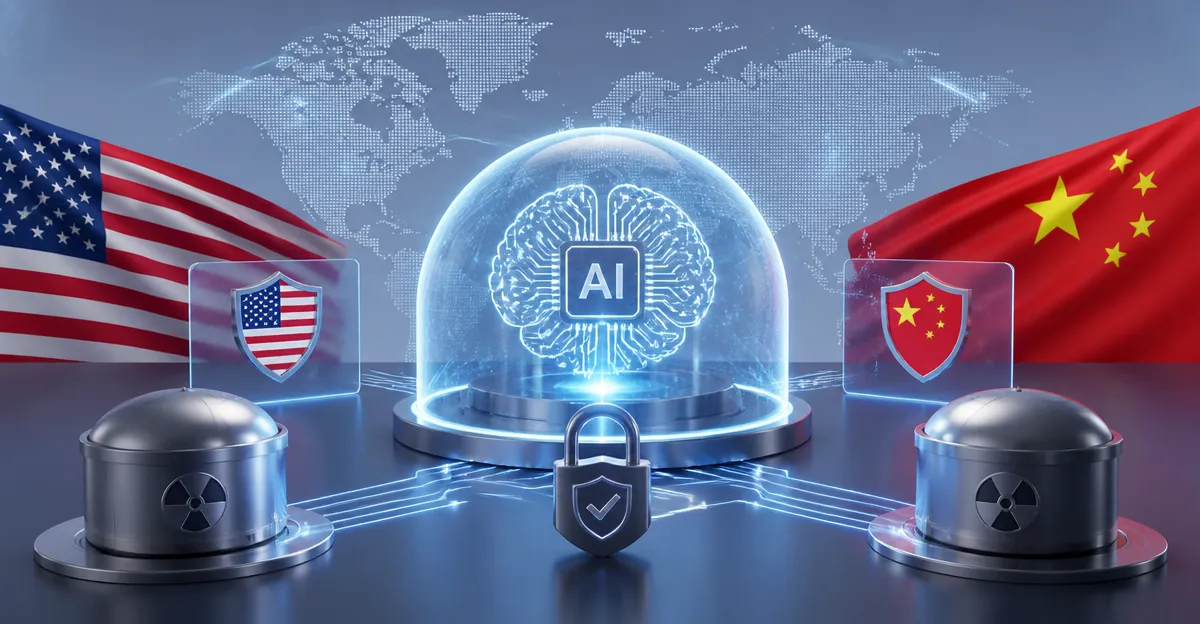
Even a narrow safety-focused bill faces steep odds. Many Republicans, aligned with President Donald Trump's deregulatory posture, argue that government restrictions would hamper American competitiveness against China.
"I think we need to be careful that we don't get too much government drama," Republican Representative Roger Williams of Texas said in a sidewalk interview near the Capitol. "I think you start out by letting the private sector see how they can compete and make it grow."
Representative Ralph Norman of South Carolina, a member of the hard-right House Freedom Caucus, acknowledged that voters want guardrails but cautioned that "that's going to take a lot of time to work through that." He added: "I'm for limited government."
A bipartisan bill backed by senators ranging from Democrat Amy Klobuchar of Minnesota to Republican Ted Cruz of Texas is being refined. Warner said he is reviewing it but stopped short of endorsing it as a first step. "I think it's well-intentioned, but a lot of it's focused on after-action report, or incident disclosure after action," he said. "We can't wait to have an incident and then look back and see how do we fix it."
Warner's preferred approach centers on establishing baseline safety protocols before a new Congress is sworn in next January. He pointed to the United Kingdom's AI safety framework and programs in other nations, including China, as potential templates. "In the short term, I think the only thing we can actually get done is a set of safety protocols," he said.
The senator also floated tying safety compliance to corporate tax benefits, such as bonus depreciation. That provision, he suggested, would be relatively straightforward to legislate and could create market incentives for responsible development without imposing outright mandates.
Global Cooperation Faces Headwinds
Warner's push for international collaboration collides with Trump's broader retreat from multilateral engagement. The president is scheduled to meet Chinese President Xi Jinping at the White House on September 24, and Washington will be watching whether Trump maintains his hands-off stance on AI regulation during those talks.
Critics of domestic regulation argue that any U.S. restrictions would cede advantage to China. Warner rejects that framing. "This is really one where we have to go back to a level of international collaboration," he said, adding that cooperation with France, the UAE, and other AI-developing nations would ultimately benefit American industry. "It would be in their best interest to have an outside, independent, international veteran in this room."
Warner, 71, is campaigning for a fourth Senate term in November's midterm election. He acknowledged that Congress historically waits for disaster before acting, but made a rare prediction when asked about the likelihood of AI safety legislation passing this year.
"If we don't do something and something happens, there's a 95%-plus probability that Americans are going to be even more pissed off at Congress than at President Trump."
Beyond safety, Warner flagged economic disruptions from AI, including rising unemployment in certain sectors. He argued the industry has not adequately addressed workforce transitions, though he predicted "enormous growth" in blue-collar jobs such as electricians and welders, along with healthcare advances. Those benefits, he said, should reach "everyday Americans and not just a bunch of tech guys out in San Francisco."
Warner's push comes as the European Union continues implementing its AI Act and as global regulators grapple with how to oversee increasingly capable systems. The senator's proposal for a new federal agency overseeing AI echoes calls from safety advocates who argue that voluntary industry standards have proven insufficient.
"Nobody would climb on an airplane or drive a car without some level of outside safety reviews," Warner said, adding that the industry would need "something like potentially even an antitrust exemption to talk to each other."
With 100 senators pushing for varying provisions, the path to passage remains uncertain. Warner insists that pacing innovation does not mean stopping it. "I don't think whether we call it a pause or pacing means that we're going to stop innovation," he said.
Whether his colleagues share that view before January remains an open question.