September 30, 2026, (Inside AI) — Cloudflare has launched the Monetization Gateway in closed beta, a system that lets website owners charge AI agents for access to their APIs, tools, and datasets using the HTTP 402 "Payment Required" status code. The gateway, announced three months ago and now in production with four customers, settles payments in USDC on the Base blockchain through Coinbase's x402 Facilitator. It is available to eligible U.S.-based sellers and buyers, with new geographies planned.
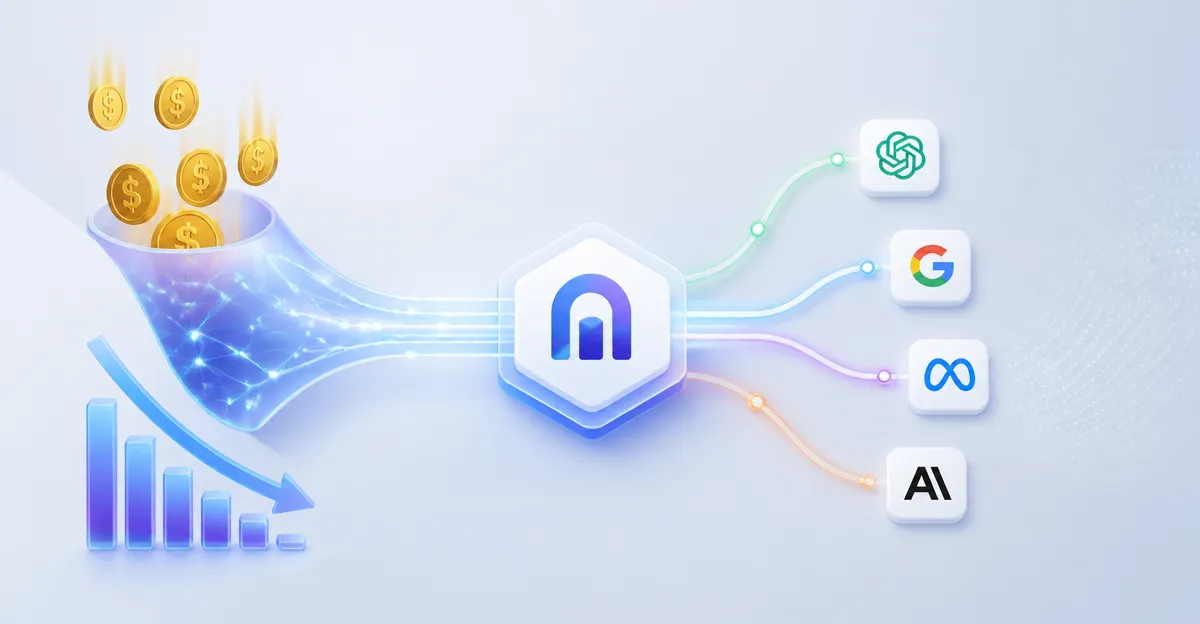
The move addresses a fundamental mismatch: today's subscription and prepaid credit models assume buyers make upfront commitments, but AI agents operate on a per-request basis. Agents seek outcomes, not subscriptions, and they need to pay for individual API calls, search queries, or data feeds without human intervention. Cloudflare's gateway lets sellers define pricing rules that match any part of a request, such as URL, headers, or query parameters, and handles payment verification, settlement, retries, and analytics.
How HTTP 402 Enables Agent-Native Payments
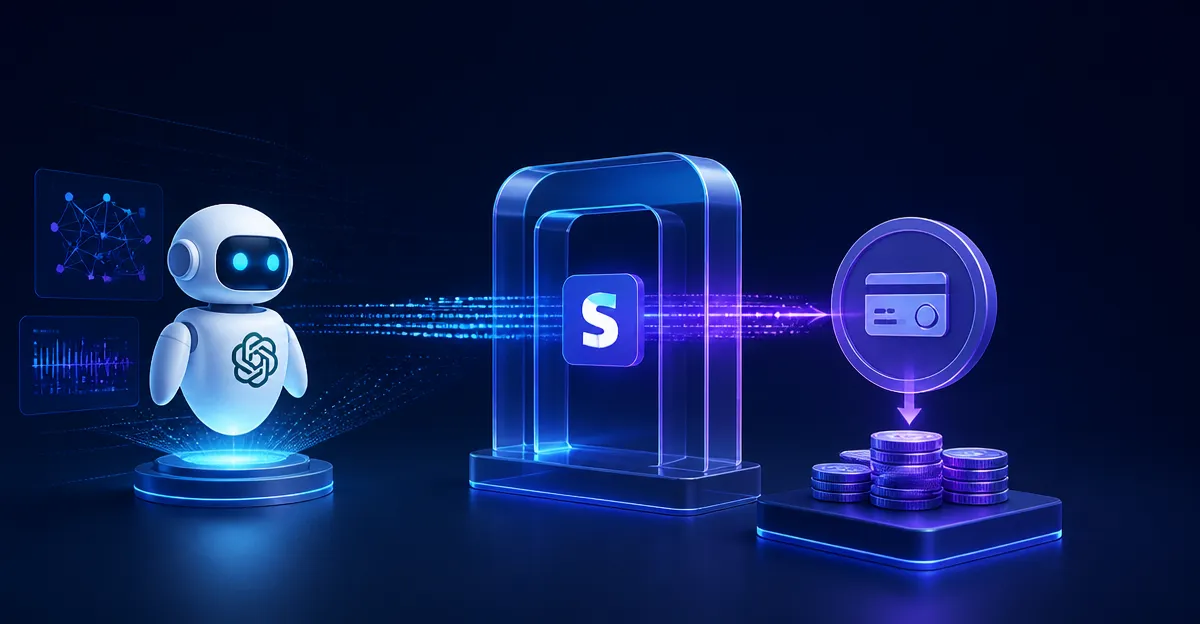
The gateway uses the HTTP 402 status code, a long-reserved but rarely used part of the HTTP specification, to request payment inline with the resource request. When an agent hits a protected endpoint without payment, it receives a 402 response with payment instructions. The agent signs an authorization, and upon settlement, receives the resource. There is no redirect to a checkout page and no separate payment API. Sellers can go live in seconds with a few clicks, creating what Cloudflare describes as a "paywall for agents."
Cloudflare's AI Gateway is already using the system. Starting today, U.S.-based Cloudflare customers can pay for inference at request time to a select set of models by adding a specific header. The AI Gateway's complex pricing engine, which bills per token, is integrated with the Monetization Gateway so that pricing information is fetched directly from the origin. This avoids duplicating pricing rules in the gateway.
Read: New Guide Shows How AI Agents Waste Millions on Frontier Models
"The web was built for a human buyer, someone who signs up and enters a card. Agents need to act on their own behalf, and payments are how they do it. Search is one of the first things every agent needs, so it should be one of the first things an agent can buy." Dr. Anna Patterson, Founder, Ceramic.ai
Ceramic.ai, which maintains a proprietary index of more than 40 billion pages and returns search results in as little as 50 milliseconds, uses the gateway's fixed pricing scheme to let agents pay per search without an API key. The company argues that search is highly elastic for agents: a simple question might need one query, while complex research could require hundreds. By paying per query, agents can decide how hard to look based on the task.
Stocktwits, a social network for investors with more than 10 million users, is using the gateway to sell real-time market signals to agents. The company, which pioneered cashtags like $NET in 2008, provides sentiment, message volume, follower counts, and trending tickers. It built a separate agent-facing path with the Monetization Gateway in front, leaving its existing API and enterprise data products unchanged. Each request is priced individually.
"Agents change the way data gets consumed. Instead of a customer signing up for a subscription or negotiating an enterprise license, an agent can ask for exactly what it needs, when it needs it. The ability to charge for that individual request opens up a completely new way for Stocktwits to make its data available." Howard Lindzon, Founder and CEO, Stocktwits
API2PDF, a REST API that generates PDFs from HTML and Office documents, uses the gateway to return a 402 response when a request arrives without an API key. The company previously required account creation and a credit card after the first month, which led to a conversion drop of more than 50%. Because each request has variable compute and bandwidth costs, API2PDF uses variable pricing to inform agents of the maximum price, then settles only the actual consumption. The company says agents face the same build-versus-buy decision as developers: an agent could burn tokens to generate a PDF itself, or pay a fraction of a cent to a specialized API.
Cloudflare's move reflects a broader shift toward agentic commerce, where autonomous software agents transact on behalf of users. The company plans to add service discoverability, transaction logs, additional payment rails, and identity primitives over time. The gateway is currently limited to U.S. sellers and buyers, but Cloudflare says support for new geographies is coming. The beta is available through the Cloudflare Dashboard, and the company is accepting onboarding applications.