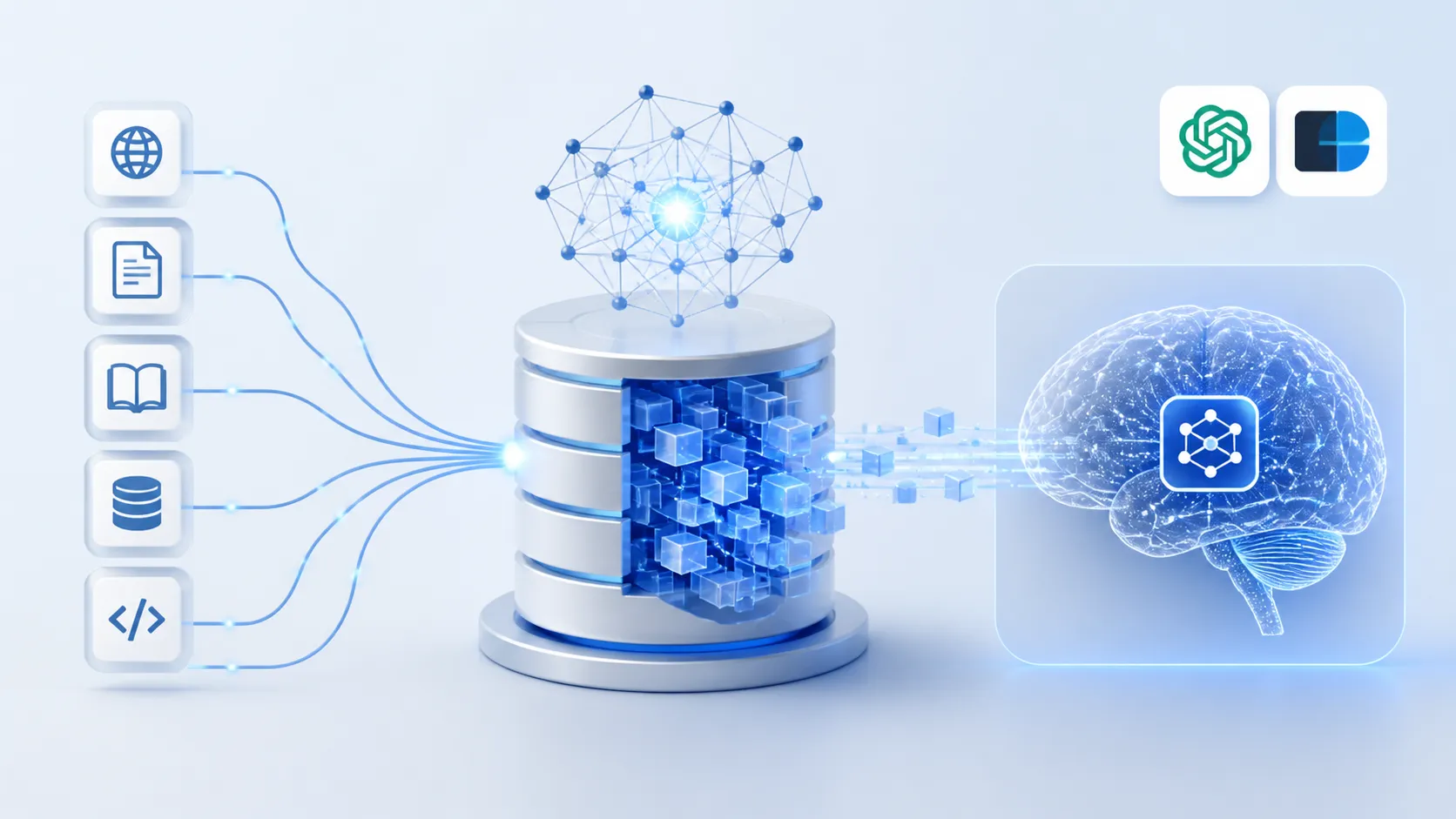
June 27, 2026, (Inside AI) — A knowledge base is a centralized repository where you store vast amounts of information and make it accessible for future use. This concept has become exponentially more powerful with the integration of large language models (LLMs). Two key shifts drive this: you can capture more information automatically, and you can query it effortlessly using natural language rather than manual searches. The result is faster decision-making, instant recall of past context, and tighter team alignment.
Prominent figures are already betting on this trend. Y Combinator President Garry Tan is building GBrain, and former Tesla AI lead Andrej Karpathy has created an LLM wiki. These are not experimental toys but functional knowledge bases that illustrate a broader movement. There is no single correct way to build one, but the essential first step is to start storing all your context and learning to query it constantly—whether you’re writing code, in meetings, or collaborating.
Why Knowledge Bases Now Outperform Traditional Systems
Information is a strategic asset. The more you can store and retrieve on demand, the better your outcomes. A knowledge base lets you make decisions with richer context, resume past topics without hunting through scattered sources, and align teams around a single source of truth. These benefits apply equally to personal and company-wide repositories.
Before LLMs, accessing a knowledge base required human memory and effort. You had to recall if something existed and then manually search for it. Now, an LLM can query the base automatically using retrieval-augmented generation (RAG). It decides when to pull information, removing the human-in-the-loop bottleneck. This shift makes knowledge bases dramatically more practical and powerful.
Read: Satya Nadella’s AI Blueprint: Stop Obsessing Over Models, Own Your Learning Loop
Automating the Capture of Every Information Source
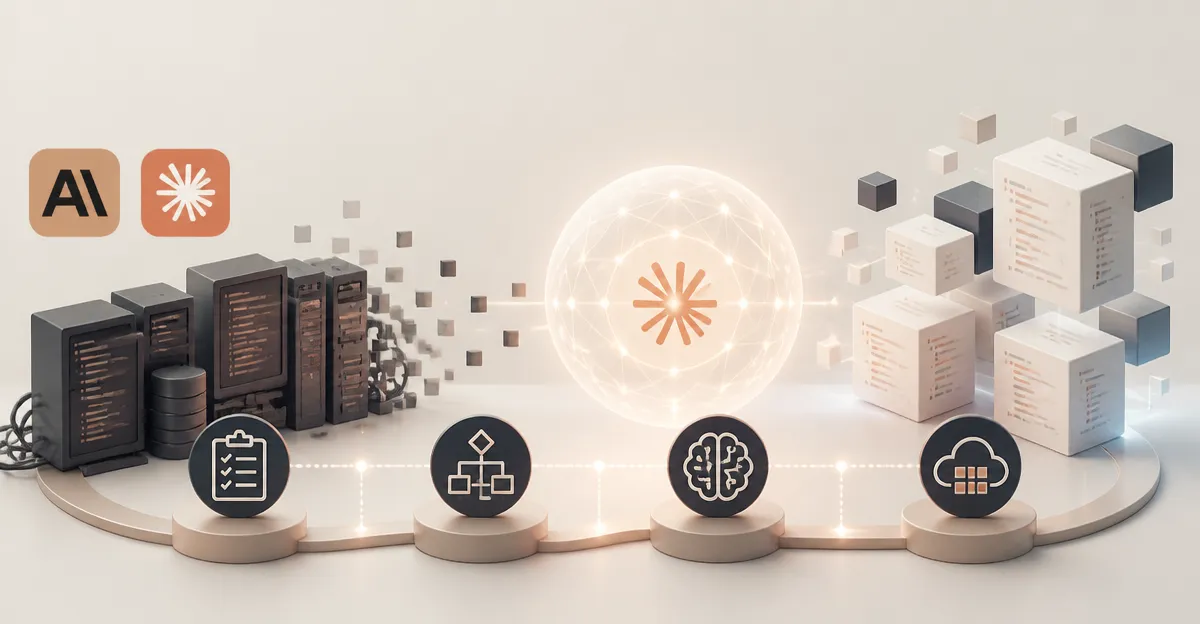
The hardest part is capturing all relevant data without manual effort. Start by mapping every information source: meetings, project management tools like Linear, coding agents such as Claude Code or Codex, and even physical office discussions. The goal is to route data from these sources into your knowledge base automatically.
Manual steps fail because people forget. A daily cron job can sync meeting notes, project updates, and coding agent logs. For office conversations, direct capture is tricky, but the context often flows into coding agents afterward. By pulling those logs, you still preserve the knowledge. The key is full automation—store everything, leave nothing out. That completeness is what makes a knowledge base truly powerful.
Once all daily context is synced, the heavy lifting is done. The next phase is using that information actively. Two primary methods exist for passive utilization by coding agents: grep-based inference and embedding-based inference.
Grep-based inference uses a top-level markdown file that maps the knowledge base structure. The agent greps for relevant terms, which is often more precise than embeddings. But this file must sit in the LLM’s context, and it can grow too large. Embedding-based inference, as used by GBrain, runs a RAG-style search to fetch relevant chunks. The LLM then decides if it needs to dig deeper. This approach avoids token bloat and doesn’t require active searching, making it likely the better default for most use cases.
Read: Cloudflare Acquires Ensemble AI Team to Slash Inference Costs
Knowledge bases will become a critical moat. The data is unique to your personal or company context, and if you don’t store it, you lose it forever. Those who build and actively use these systems will hold a definite advantage in the years ahead.