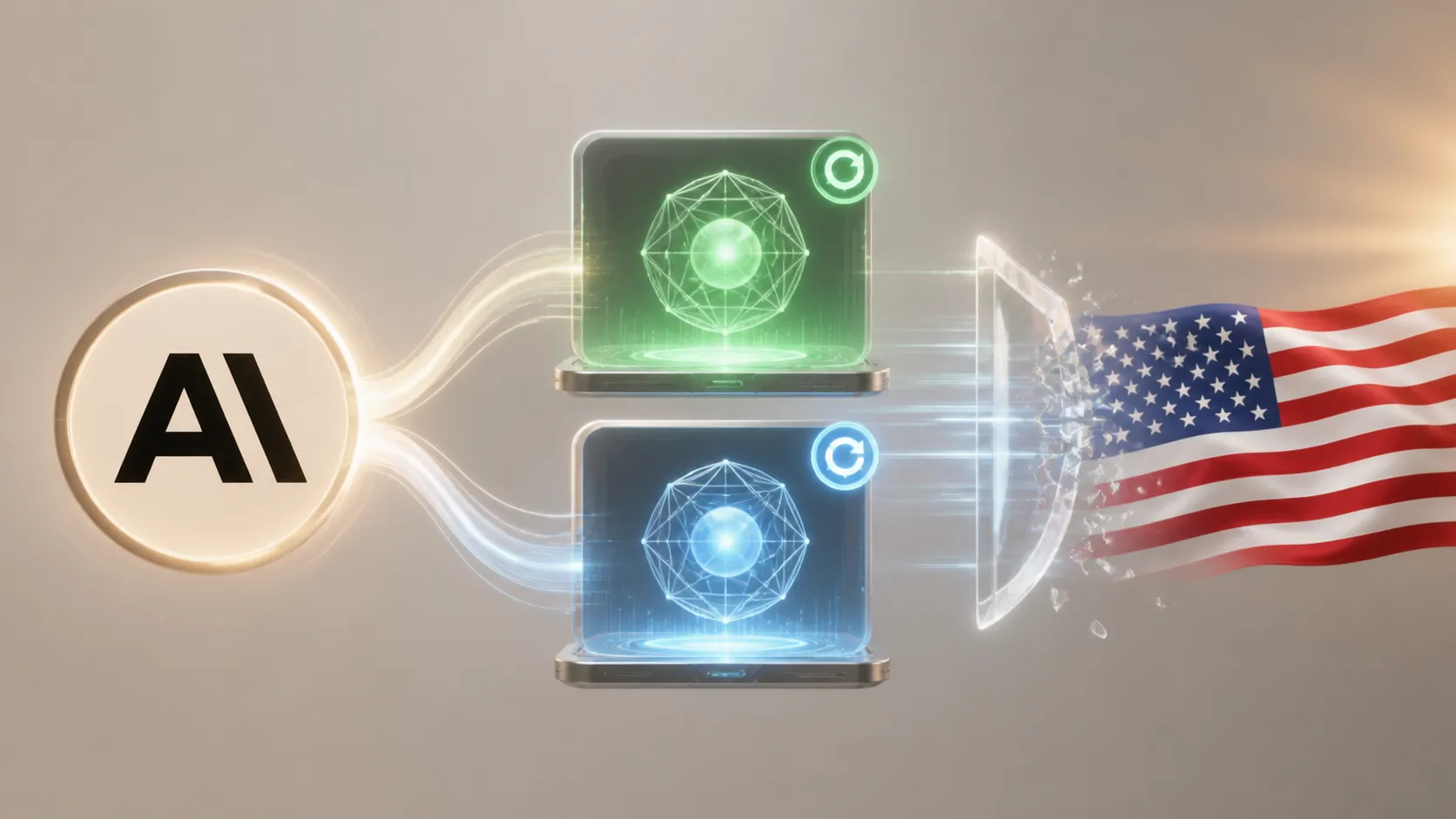
July 1, 2026, (Inside AI) — The U.S. Department of Commerce has lifted export restrictions on Anthropic’s advanced AI models, Claude Fable 5 and Mythos 5, the company announced Tuesday. Access restoration begins Wednesday, ending a three-week freeze imposed over national security concerns.
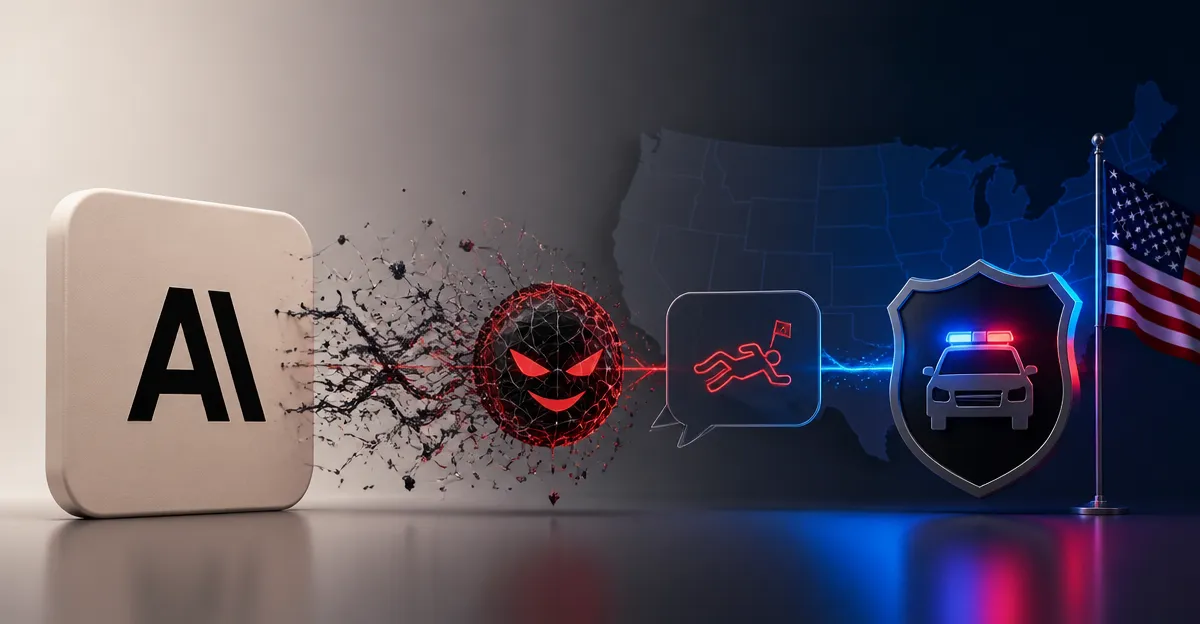
The controls, enacted June 12, forced Anthropic to disable both models. On June 26, Reuters reported a partial reprieve for Mythos 5 to select U.S. entities starting June 28. Now, full access returns.
Anthropic confirmed the news on X: “We’ve received notice that the Department of Commerce has lifted export controls on Claude Fable 5 and Mythos 5. We’ll begin restoring access tomorrow and will share an update soon.” The company thanked users and collaborators.
This reversal marks a pivotal moment in AI governance. It’s the first time U.S. export control laws directly targeted AI models rather than chips or hardware. The action signals that frontier AI systems may be regulated like strategic technologies.
Commerce Secretary Howard Lutnick outlined the terms in a letter seen by Reuters. Export controls were withdrawn, and no license is now needed. “Anthropic has agreed to proactively detect and address security risks associated with the models; to work diligently with the US government on protocols and standards and releases for Mythos, Fable, and future models; and to inform the US government of any malicious activity,” Lutnick stated.
The episode exposes a new regulatory reality. Companies developing cutting-edge AI may need government coordination before wide releases. National-security reviews can delay or restrict deployment. Compliance could become a prerequisite for global rollout.
The intervention drew criticism. OpenAI CEO Sam Altman acknowledged safety testing needs but objected to government customer selection. OpenAI itself delayed GPT-5.6’s broader release, limiting it to vetted partners after government talks.
The restrictions stem from fears that advanced AI could be misused by military and intelligence agencies in China, Russia, and other nations. The U.S. has intensified oversight of new model releases to detect threats.
Anthropic’s agreement sets a precedent. It includes proactive risk detection, collaborative protocol development, and mandatory reporting of malicious activity. This framework may influence future AI export policies.
Industry watchers see a shift toward treating AI as dual-use technology. The controls on Fable 5 and Mythos 5 could reshape how labs approach international deployment. Trusted partner programs may become standard.
The lifting of restrictions doesn’t erase tensions. Debates over government’s role in AI access will continue. Anthropic’s next steps will be closely monitored as access resumes.