July 3, 2026, (Inside AI) — The battle for AI dominance has turned into a zero-sum spectacle. Tech titans Elon Musk, Sam Altman, and Dario Amodei are locked in a rivalry that echoes ancient patterns of imitation and conflict. This is the core thesis of a Breakingviews analysis applying René Girard’s mimetic theory to Silicon Valley.
Girard, a French social theorist, argued that human desire is not autonomous. We covet what others covet. His framework explains why nearly 90% of venture funding in 2026 pours into AI. It also reveals a dangerous escalation among the industry’s leaders.
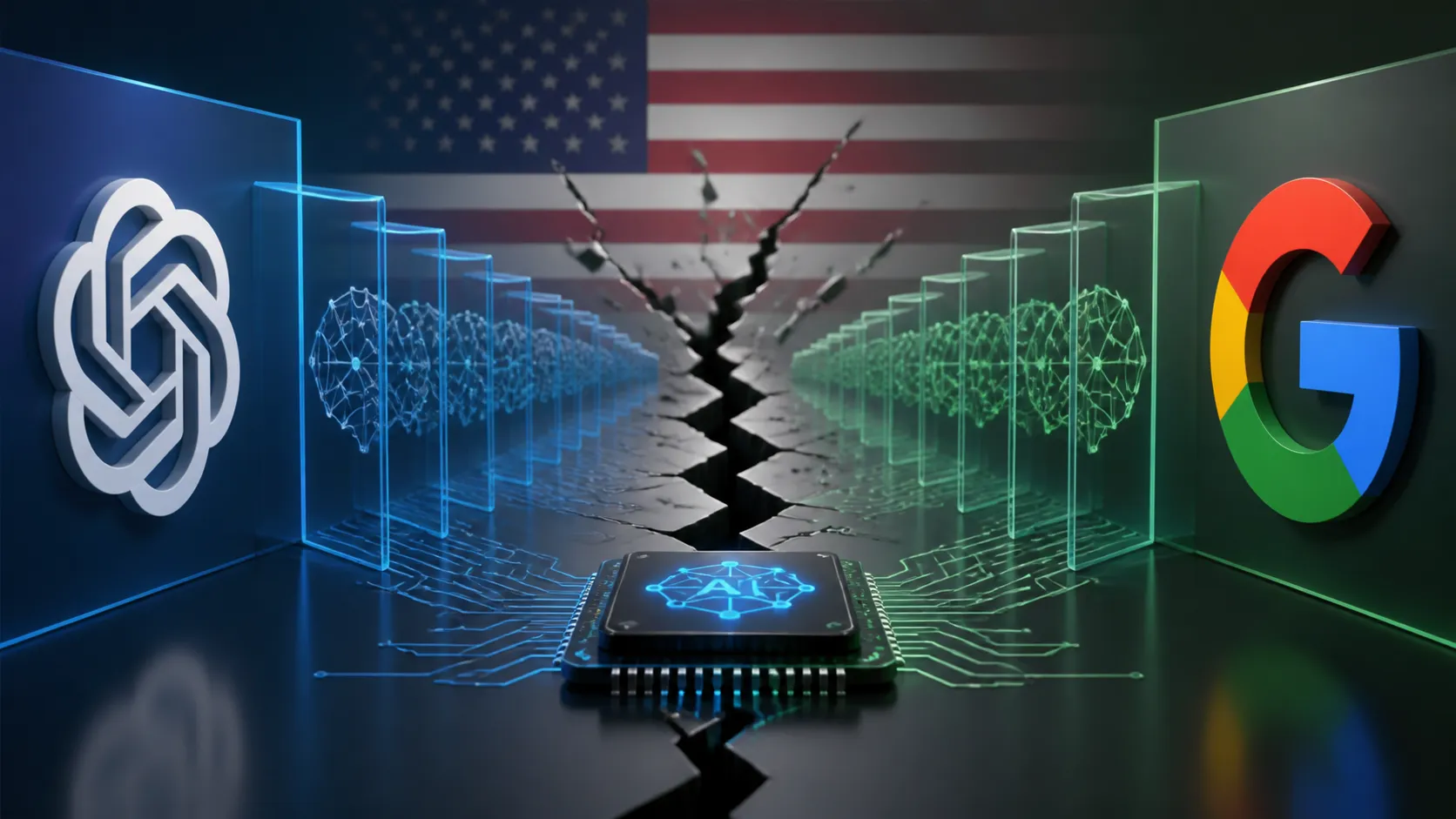
The rivalry is personal and public. Musk, an early OpenAI backer, now battles Altman in court. Amodei, who left OpenAI to found Anthropic, compared the feud to the struggle between Hitler and Stalin. Last December, Altman issued a “Code Red” alert, fearing Anthropic was pulling ahead.
Girard’s theory posits that imitation drives competition. Rivals become mirror images. The original prize—profitable AI dominance—fades. Chinese firms now mimic U.S. frontier models. Billionaire investor Peter Thiel, a Girard disciple, warns that competitive markets destroy profits.
Read: US and China’s Outdated AI Arms Race Mindset Ignores the Real Bottleneck
The Mimetic Engine of Silicon Valley
Girard’s insight is simple but profound. “We desire what those around us desire,” he wrote. This imitation fuels creativity but also crises. In business, firms copy successful rivals. Venture capitalists chase hot trends. The AI sector exemplifies this.
Thiel has long championed Girard’s ideas. He sees venture capital as a mimetic game. Investors flock to what peers fund. This year, AI captures nearly all venture dollars. The products themselves—social networks, large language models—mediate desire.
Large language models are pure mimesis. They do not originate; they copy. The people building them are now trapped in a reflexive loop. Ronan Farrow and Andrew Marantz, in a New Yorker profile of Altman, quoted an OpenAI executive calling the competition “Shakespearean.”
Girard warned that such rivalries escalate. Differences erode. The object of desire becomes secondary. For AI leaders, the goal of a dominant, profitable platform slips away. Capital spending spirals. Technology leadership oscillates.
The Looming Scapegoat
Every mimetic crisis ends with a scapegoat. Girard studied how societies blame innocents to restore order. In the Great Depression, Samuel Insull was scapegoated and later acquitted. In AI, the question is who will take the fall.
The cycle is manic-depressive. Benjamin Graham’s Mr. Market embodies these mood swings. Girard saw the same in speculative bubbles. Keynes described markets as beauty contests where we guess average opinion. The AI race fits this pattern.
Thiel notes the career risk of standing apart. “The best way not to be crucified… is to do as everyone else and join in the crucifixion,” Girard wrote. This herd mentality grips AI investors and executives alike.
Read: AI Frenzy Hides a Modern ‘Bezzle’ of Financial Mischief
The Breakingviews analysis suggests a crisis is near. Chinese imitation threatens U.S. models. Profits remain elusive. The rivalry intensifies. Girard’s framework predicts a violent resolution, where an innocent party absorbs blame.
For now, the AI arms race consumes billions. Leaders mirror each other’s moves. The original mission—safe, beneficial AI—gets lost. Girard’s cycle of dissolution and creation may soon repeat. The only unknown is the scapegoat’s identity.