November 20, 2026, (Inside AI) — Asian equities are enduring their sharpest weekly rout since the early pandemic era, as a landmark public listing by Anthropic failed to reverse a deepening loss of confidence in the artificial intelligence trade. The selloff spread across every major regional benchmark, with the dollar climbing on safe-haven demand and bond yields easing as investors fled risk assets.
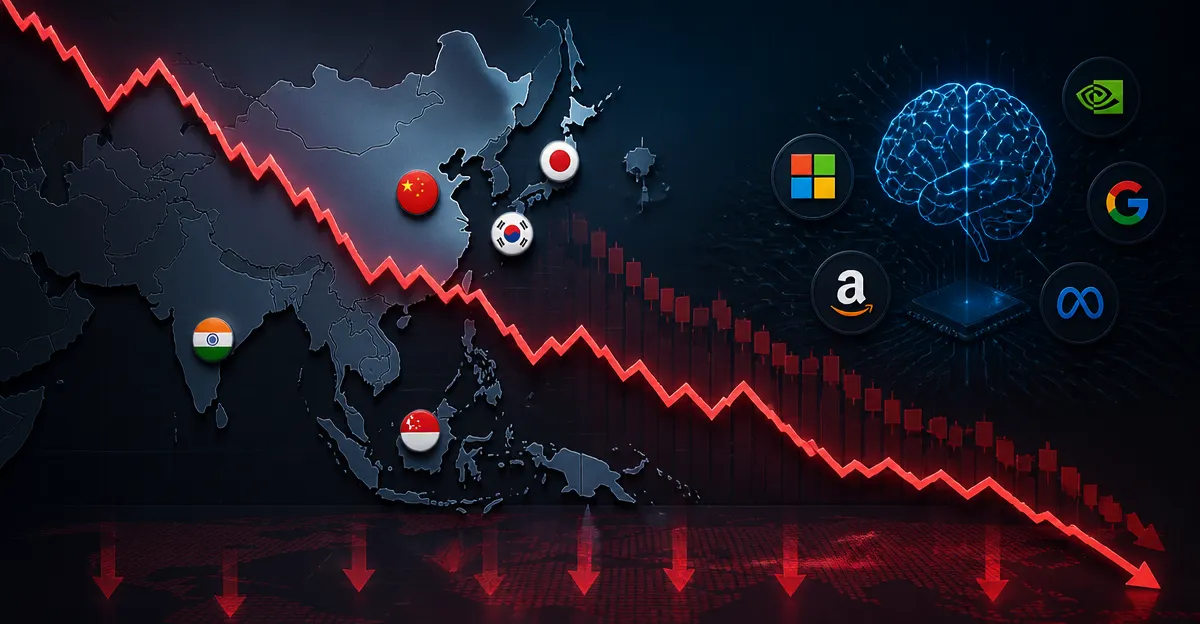
The MSCI Asia-Pacific index dropped 2.5% on Friday, extending a six-day losing streak and bringing its weekly decline to 7%, the steepest since March 2020. Japan's Nikkei fell 4.1% and headed for a 6.8% weekly loss, while South Korea's KOSPI slid 4.7% and was set to close the week 7.5% lower. The regional carnage followed losses exceeding 2% for both the S&P 500 and the Nasdaq Composite in the prior US session.
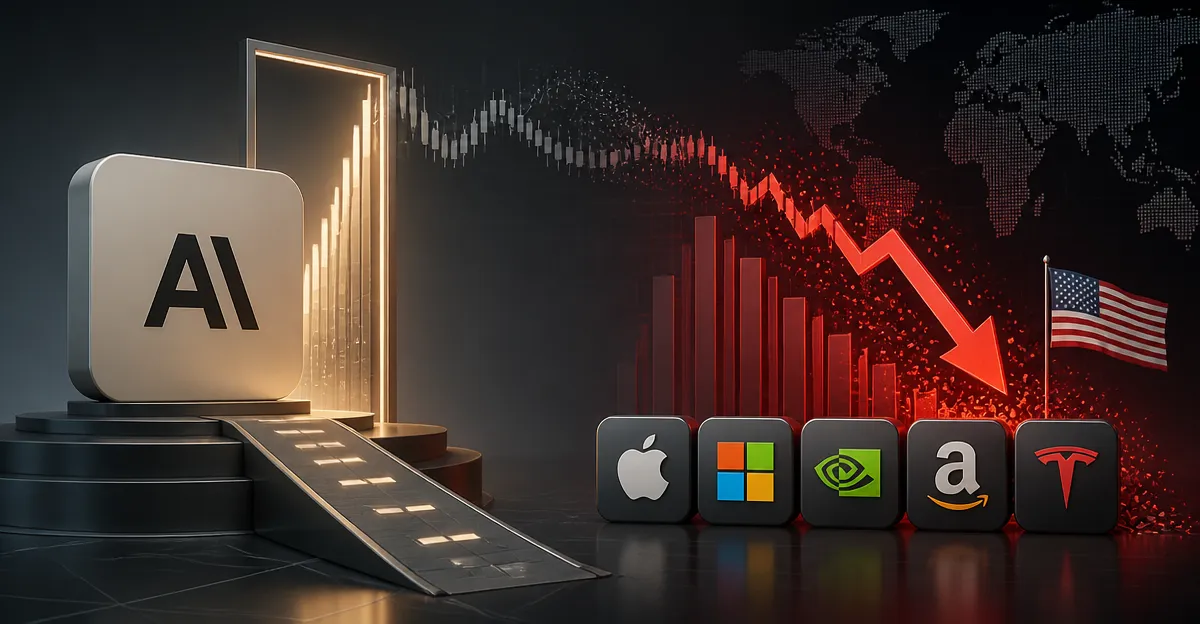
Anthropic, the world's first publicly traded frontier AI company, saw its shares surge more than 30% in a historic debut. Yet the euphoria proved isolated. The listing, which many had hoped would reignite appetite for AI-linked equities, instead underscored how narrowly investors are now willing to reward the sector.
"Anthropic's blockbuster IPO proved not enough to assuage the overall concern about the outlook for the AI trade and equities more broadly," Kyle Rodda, senior financial market analyst at Capital.com, said in a note to clients.
The broader AI complex has absorbed a series of blows in recent weeks. The exit of Jensen Huang from Nvidia removed the sector's most visible champion from day-to-day leadership. Meanwhile, the Democrats' sweep of the US midterm elections has lent fresh political momentum to the anti-data-center movement, raising questions about the infrastructure buildout that underpins many AI business models. Concerns about mounting debt loads across the sector, alongside persistent warnings that advanced AI poses an extinction risk, have further weighed on sentiment.
Rodda added that with the AI trade fading and Federal Reserve rate hikes seen as likely, general market sentiment is shaky. He cautioned that the risk is for this bearishness to begin dragging stocks even lower.
US futures pointed to more pain ahead, with S&P 500 futures down 0.4% and Nasdaq futures down 0.7% during Asian trading hours on Friday.
Dollar Strength Compounds Pressure
As risk appetite evaporated, the US dollar extended a rally, supported by growing expectations of a more hawkish Federal Reserve. The dollar index traded steady at 103.86 after hitting its strongest level since April 2025 earlier in the week. Fed funds futures imply that a quarter-point rate hike next month is essentially locked in, according to CME Group's FedWatch tool.
Government debt markets reflected the flight to safety. The yield on benchmark 10-year Treasury notes held steady at 5.026%, near a one-week low, while the two-year yield touched 4.749%, down from a US close of 4.779%.
Oil prices were mostly steady after an earlier spike, as reports of tanker disruptions in the Strait of Hormuz offset pressure from rising US crude inventories and forecasts for a global oil surplus. Brent crude futures settled flat at $91.98 a barrel, on track for a third straight week of decline. Non-interest-bearing gold dipped 0.6% to $3,601.40 an ounce and was headed for a 7.3% weekly loss.
The scale of the retreat in Asia suggests investors are treating the AI trade as a single, correlated asset class rather than a collection of individual companies. When one of the sector's most anticipated public offerings can rally more than 30% while the broader market falls 7%, it indicates that capital is no longer flowing to the theme broadly. Instead, it is concentrating in a handful of perceived winners while punishing everything else. That dynamic could accelerate consolidation across the AI startup ecosystem, as private companies find it harder to justify valuations when public comparables are under pressure. It also raises the stakes for the next wave of AI listings, which may now face a colder reception than Anthropic enjoyed.
The week's losses mark a stark reversal from the enthusiasm that greeted AI companies earlier in the year. For much of 2026, investors treated AI infrastructure and model developers as a generational growth opportunity. Now, political headwinds, leadership departures, and debt concerns are forcing a reassessment. Whether the Anthropic debut marks a bottom or a brief pause in a longer downturn remains unclear. What is certain is that the market is no longer willing to extend the benefit of the doubt to every company with an AI label attached.

Shamil has a low tolerance for AI that only works in controlled demos. He covers agentic systems and generative AI with the skepticism of someone who has seen too many “revolutionary” tools quietly disappear six months after launch.