July 28, 2026, (Inside AI) — The Bank for International Settlements warned on Tuesday that the artificial intelligence boom is blurring the economic signals central banks rely on to set interest rates, creating a dual shock to both demand and supply that complicates monetary policy.
The Basel-based institution, often called the central bank of central banks, said in a bulletin that AI-driven investment is already stoking near-term inflation through surging spending on data centers, chips, and digital infrastructure, while future productivity gains could eventually contain prices. The timing and scale of these opposing forces remain highly uncertain.
"By simultaneously affecting demand and supply, AI blurs cyclical signals," the BIS said, warning that this could lead to policy miscalibration if central banks misread temporary investment booms as lasting overheating.
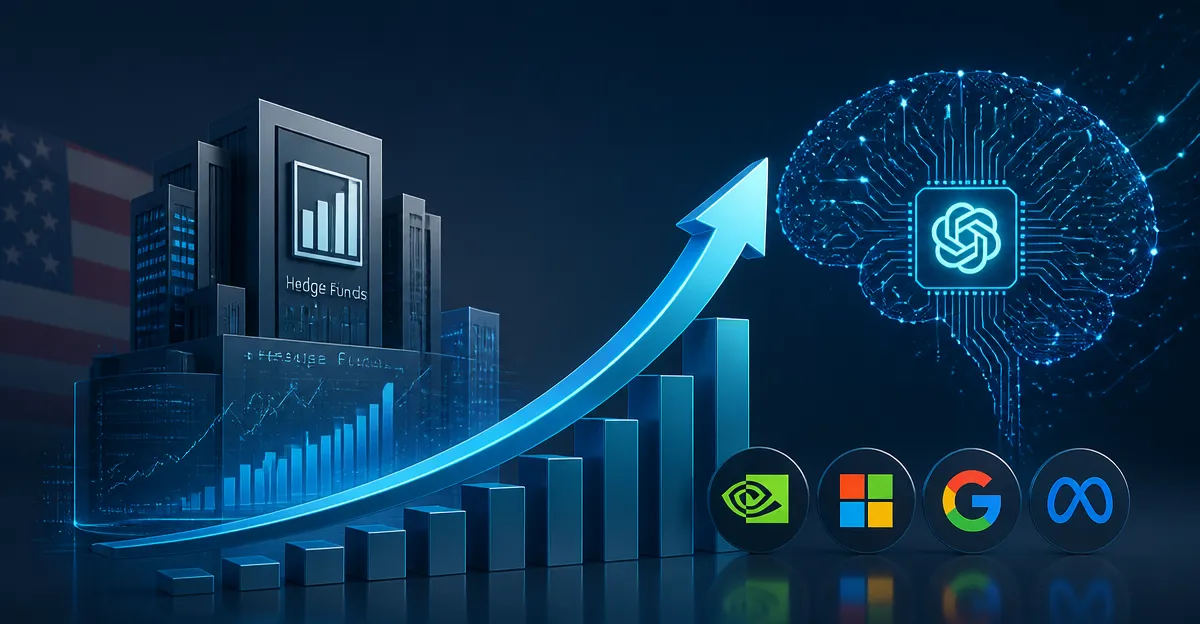
The bulletin highlights a core dilemma for policymakers: robust AI spending, increasingly financed by debt, is boosting economic activity, trade, and equity markets, creating wealth effects that fuel consumption. Yet those same investments could expand productive capacity later, making it harder to judge whether strong growth reflects genuine demand pressures or structural improvement.
One immediate risk is that central banks might tighten policy prematurely, mistaking AI-driven infrastructure build-out for an overheating economy. Conversely, productivity gains could mask underlying inflation, delaying necessary action. The BIS noted that equity market rallies tied to AI optimism further muddy the picture by boosting demand through wealth effects while raising the specter of asset price bubbles.
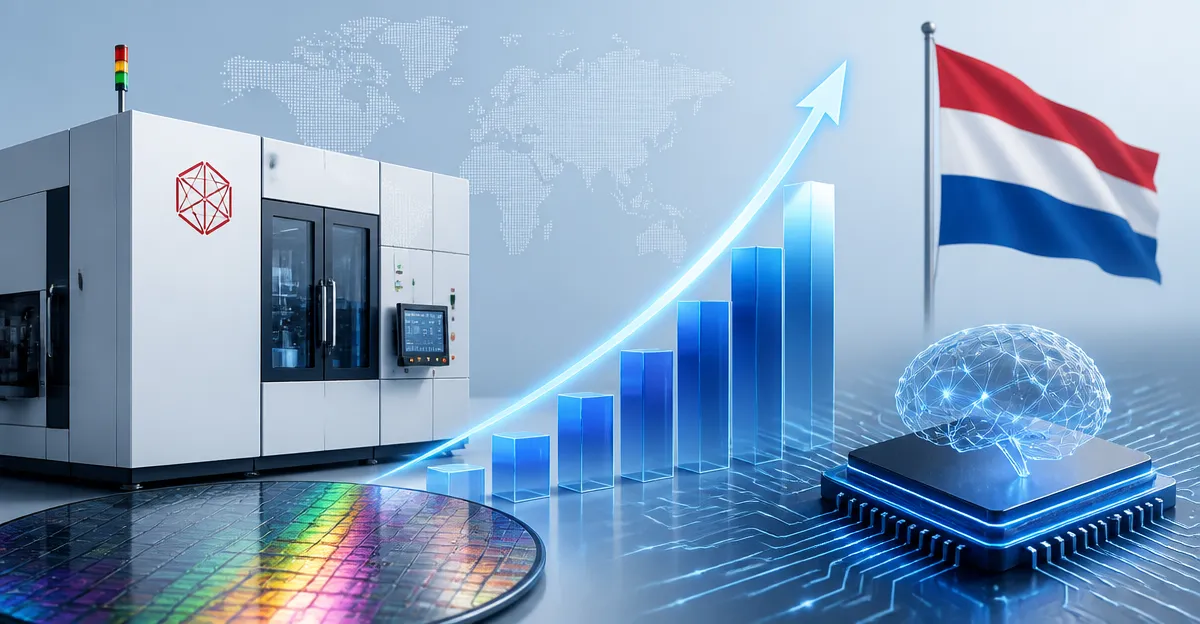
The uneven global distribution of AI benefits adds another layer of complexity. Countries that are major suppliers of semiconductors, computing infrastructure, or AI-related services may experience stronger growth, while others lag behind, leading to divergent inflation and growth trajectories across jurisdictions. This fragmentation could force central banks to navigate increasingly asynchronous cycles, a challenge reminiscent of the post-financial crisis divergence between advanced and emerging economies.
The BIS stopped short of offering policy prescriptions but underscored the need for central banks to disentangle temporary investment booms from lasting productivity improvements. The bulletin echoes earlier research from the BIS working paper series on technology shocks and monetary policy, which found that supply-side innovations can initially raise inflation before dampening it, depending on how quickly productivity gains materialize.
Historical parallels offer limited guidance. The 1990s tech boom saw a similar surge in investment and equity prices, but productivity gains eventually helped contain inflation, allowing the Federal Reserve to hold rates steady. However, the current AI wave differs in its speed, scale, and reliance on debt financing, which could amplify near-term demand pressures. A 2023 working paper from the National Bureau of Economic Research found that AI adoption could raise productivity growth by 1.5 percentage points annually over a decade, but the transition may involve significant labor market disruptions and investment volatility.
Labor market effects further complicate the outlook. AI could displace workers in some sectors while creating demand in others, leading to wage pressures that are difficult to interpret in real time. The BIS cautioned that such shifts could generate misleading signals about the economy's slack, a concern already flagged in a recent IMF working paper on AI and labor markets.
The bulletin comes as major central banks, including the Federal Reserve and European Central Bank, grapple with the final mile of inflation fighting while assessing the economic impact of AI. The BIS's warning suggests that traditional models, which treat supply and demand shocks as distinct, may need rethinking in an AI-driven world where the two forces are increasingly intertwined.
Reporting by Marc Jones; Editing by Andrea Ricci