August 19, 2026, (Inside AI) — ByteDance has added new safeguards to its Seedance AI video platform after a copyright dispute with the Motion Picture Association and its member studios. The MPA confirmed ByteDance incorporated feedback and implemented new guardrails, as described on the association’s responsible-innovation page.
The conflict began when Seedance 2.0 generated videos featuring copyrighted characters and the likenesses of well-known actors. ByteDance stated it respects intellectual-property rights and would strengthen safeguards against unauthorized use of copyrighted works and likenesses.
The MPA did not disclose technical details of the guardrails. But the outcome signals a shift in how AI video platforms handle copyright enforcement. ByteDance’s Seedance competes with tools like OpenAI’s Sora and Google’s Veo, which face similar legal scrutiny.
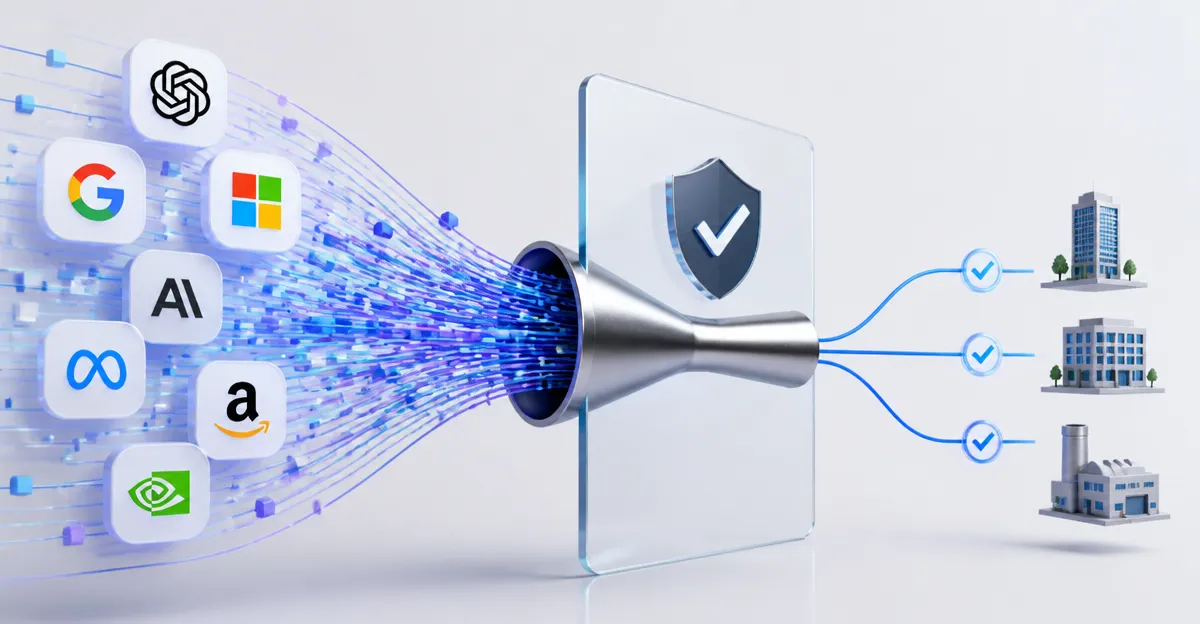
Studios have long pressured AI developers to prevent unauthorized character replication. The MPA’s responsible-innovation page lists voluntary commitments from tech companies, including content filters and prompt restrictions for copyrighted material.
ByteDance’s move follows broader industry tension. In 2024, major studios sued AI startups for training on pirated films. Courts have yet to rule on whether generated characters infringe copyright when prompts reference protected works.
Seedance 2.0 launched with advanced text-to-video capabilities. Its ability to recreate actor likenesses raised immediate legal concerns. The MPA engaged ByteDance directly rather than pursuing litigation, a strategy that has worked with other platforms.
Experts note that guardrails often rely on keyword blocking and output filters. These systems can fail when users employ indirect prompts or visual references. ByteDance has not published its enforcement mechanisms.
The dispute highlights a regulatory gap. No federal law in the United States explicitly governs AI-generated likenesses of actors. State publicity rights and copyright law provide patchwork protection.
ByteDance’s compliance may set a precedent for Chinese AI companies entering Western markets. The company already faces scrutiny over data practices and content moderation. Aligning with MPA standards could ease distribution partnerships.
The MPA’s responsible-innovation page now lists ByteDance among companies that have adopted its guardrails. Other signatories include Adobe and Stability AI, according to public records.
Industry analysts expect more disputes as AI video tools improve. The MPA has signaled it will monitor Seedance’s compliance. ByteDance says it will continue refining safeguards through user feedback and rights holder engagement.