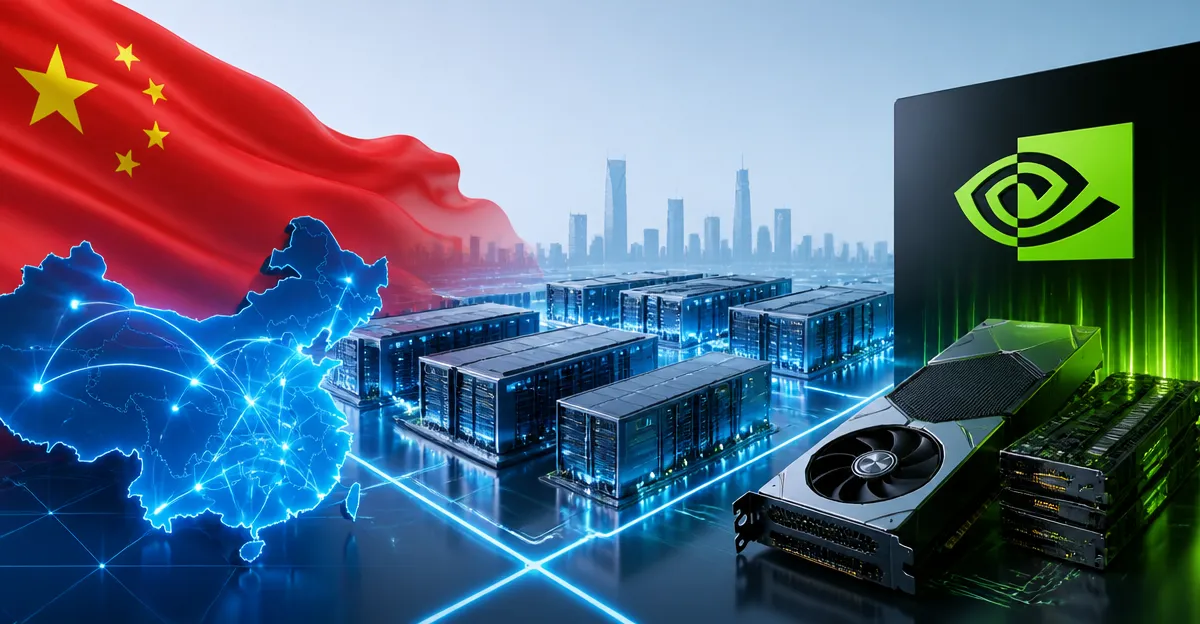
November 17, 2026, (Inside AI) — The U.S. Commerce Department on Monday issued a new rule aimed at closing a loophole that allowed Chinese companies to access advanced American AI chips through overseas data centers. The move follows the downfall of Nvidia CEO Jensen Huang, whose exit has intensified concerns in Beijing that Washington will accelerate restrictions on chip exports.
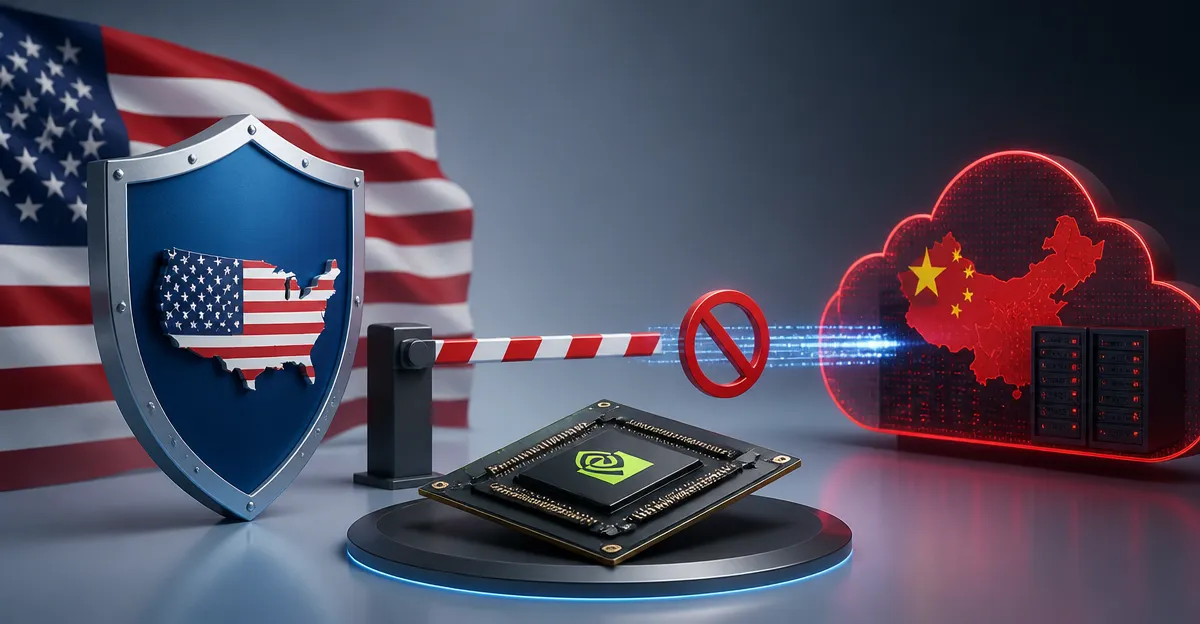
The rule, announced by the Bureau of Industry and Security, extends export controls to cover remote cloud access to advanced AI processors. It targets Chinese firms that have been renting computing power from data centers in third countries to train large AI models, bypassing existing bans on direct chip sales.
Washington has grown increasingly concerned that Chinese AI developers can sidestep export restrictions by using overseas cloud providers. The new rule requires U.S. companies to obtain licenses before providing remote access to advanced chips to entities in China, including through foreign subsidiaries.
Nvidia's Leadership Shakeup Accelerates Policy Action
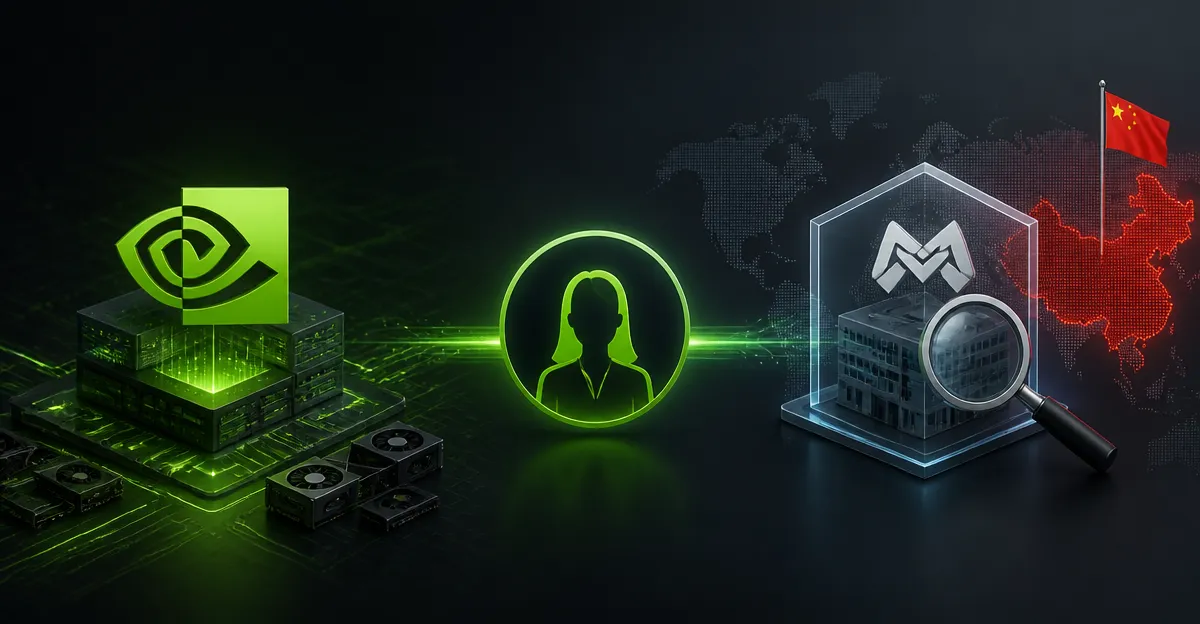
The rule comes less than two weeks after Jensen Huang stepped down as Nvidia's CEO amid an internal investigation into undisclosed business dealings with Chinese partners. Huang's departure has removed a key industry voice that had lobbied against tighter controls, according to sources familiar with the matter.
Huang had repeatedly warned that overly broad restrictions would harm U.S. competitiveness and push Chinese firms to develop domestic alternatives. His exit has left a vacuum in industry advocacy, allowing national security hawks in Congress and the administration to push through stricter measures.
"The U.S. must act decisively to prevent our most advanced technology from being used to undermine our national security," said Alan Estevez, Under Secretary of Commerce for Industry and Security. "This rule closes a critical gap that allowed our adversaries to circumvent export controls."
The Chinese government has not yet responded to the new rule. However, Chinese AI companies have privately expressed alarm that Huang's downfall could lead to even faster and broader restrictions. Several firms have accelerated efforts to secure alternative chip supplies and increase investment in domestic semiconductor production.
Industry analysts note that the rule could have significant unintended consequences. U.S. cloud providers such as Amazon Web Services, Microsoft Azure, and Google Cloud have substantial operations in Asia and could see their revenues affected if they are forced to cut off Chinese customers.
"This is a complex issue that requires a balanced approach," said James Lewis, director of the Strategic Technologies Program at the Center for Strategic and International Studies. "We need to protect national security without harming our own tech industry or driving allies away."
The rule is set to take effect in 60 days, giving companies time to adjust. It remains unclear how the Commerce Department will enforce the restrictions on remote access, which is inherently difficult to monitor.
The move is part of a broader U.S. strategy to maintain leadership in AI by restricting China's access to critical hardware. In recent months, Washington has also pressured allies like Japan and the Netherlands to tighten their own export controls on semiconductor manufacturing equipment.
Chinese AI companies have been stockpiling advanced chips and investing heavily in domestic alternatives. Huawei's Ascend series and other Chinese-designed AI chips have gained traction, though they still lag behind Nvidia's products in performance and software ecosystem maturity.
The new rule could accelerate China's push for self-sufficiency, but it may also slow the progress of Chinese AI startups that rely on U.S. hardware. The long-term impact will depend on how strictly the rule is enforced and whether China can develop competitive alternatives.
For now, the U.S. signal is clear: it will use every tool available to maintain its technological edge, even if that means disrupting global supply chains and angering allies.

Sofia spent years studying how machines parse human language before pivoting to cover the systems now rewriting it. She reads technical papers the way others read news and looking for what the numbers are actually saying beneath the headlines.