June 21, 2026, (Inside AI) — A quiet shift is reshaping how developers work with AI. Instead of typing prompts, they now design autonomous loops—recurring systems that guide AI agents to iterate on tasks without human input. The approach, called loop engineering, could make manual prompting obsolete for many workflows.
The Prompt is Dead, Long Live the Loop
Since ChatGPT’s 2022 launch, prompting was the interface. Users wrote instructions, and models responded. Then AI agents arrived, handling tasks with occasional human guidance. Now, loop engineering removes the user entirely from the prompt-writing process.
Boris Cherny, head of Anthropic’s Claude Code, no longer writes prompts. He told CNBC:
“It’s an agent that prompts Claude. I don’t write the prompt anymore. Claude writes the prompt, and now I’m talking to that new Claude that is kind of coordinating.”
Cherny called loops and similar features the work he would be proudest of in a decade. Peter Steinberger, an OpenAI engineer, echoed this on X:
“Here’s your monthly reminder that you shouldn’t be prompting coding agents anymore. You should be designing loops that prompt your agents.”
Addy Osmani, director of Google Cloud, declared direct prompting “kind of over.” He said loop engineering replaces the human prompter with a designed system, calling it “the future of how we work with coding agents.”
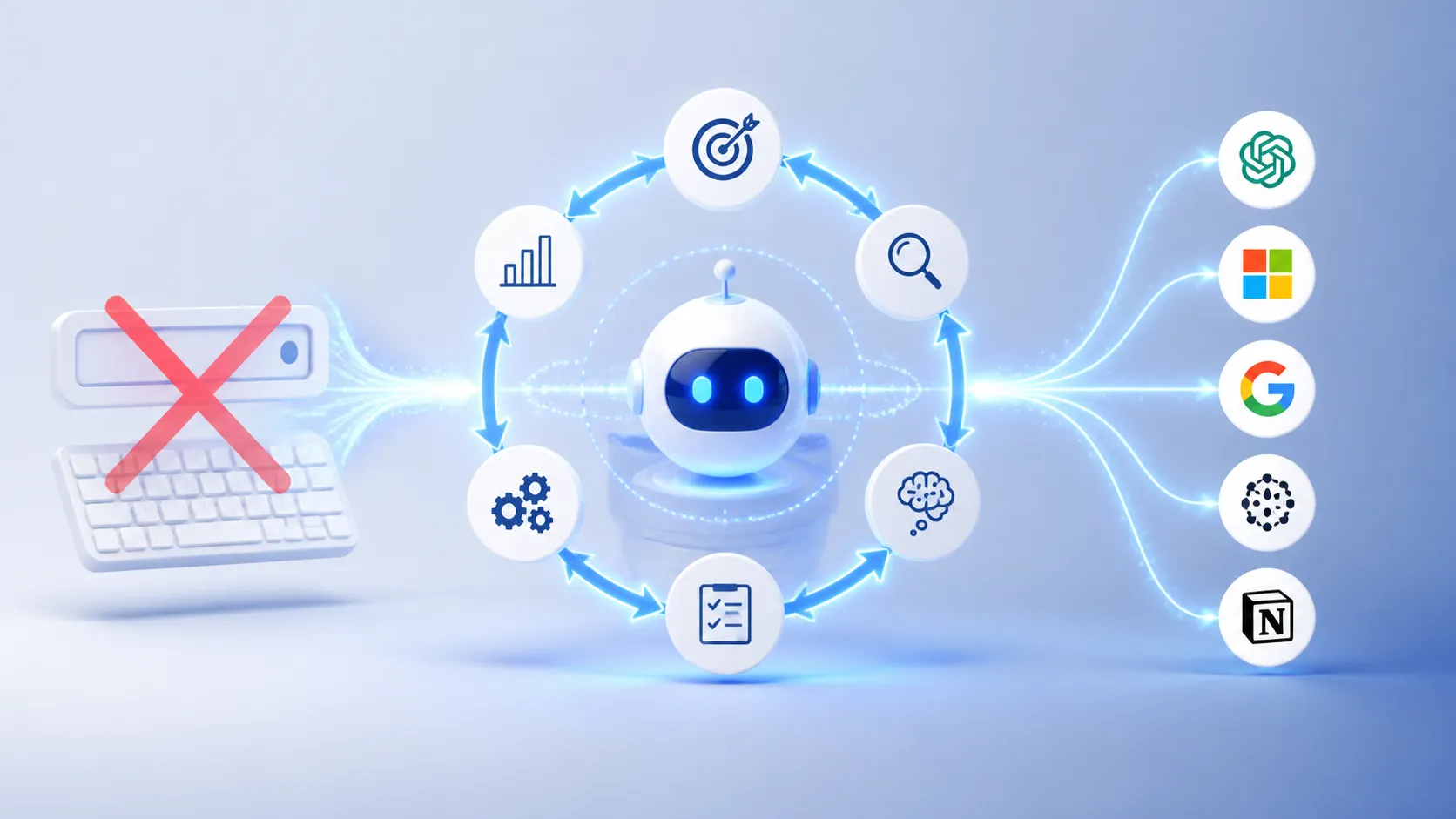
Inside the Loop: Five Core Components
A loop is a recurring system that lets AI agents self-direct. Osmani outlined five components. Automations form the foundation, enabling scheduled discovery and triage. Worktrees let two agents work in parallel without overlap. Skills provide instructions so agents record project knowledge instead of guessing.
Plugins and connectors give agents access to existing tools. Sub-agents split roles—one generates ideas, another checks the work. Osmani also stressed memory, advising developers to store what’s done and next steps in a markdown file or Linear board. He warned:
“The model forgets everything between runs so the memory has to be on disk and not in the context.”
Real-World Loops and Rising Costs
Developers already deploy loops. The /goal command instructs tools like Claude Code or OpenAI’s Codex to work until a task finishes. Steinberger built a Codex loop that wakes every 5 minutes, maintains repositories, and directs work to threads for parallel steering. Experts advise splitting loops so one agent writes code and another reviews it, since a model reviewing its own work might be “way too nice.”
Loops extend beyond coding. Claire Vo, host of the ‘How I AI’ podcast, described automating employee onboarding: a weekly loop that reviews calendars, flags cancellations, and sends Slack follow-ups.
But loops burn tokens fast. Long-running, open-ended tasks rack up costs. Steinberger joked he has unlimited tokens at OpenAI, but suggested cheaper options like waking once per hour. Osmani advised spending on sub-agents only when a second opinion is worth it. For Claude Code users, Scheduled Tasks offer a budget-friendly alternative, running at set times instead of continuously.
Security and the Human in the Loop
Osmani cautioned against full automation. He urged developers to stay engaged:
“Build the loop. But build it like someone who intends to stay the engineer, not just the person who presses go.”
Human prompting remains a valuable safeguard, especially as autonomous systems introduce new risks. While loop engineering promises efficiency, it demands careful design to avoid runaway costs and security blind spots. The future may belong to those who master the loop—without losing the human touch.