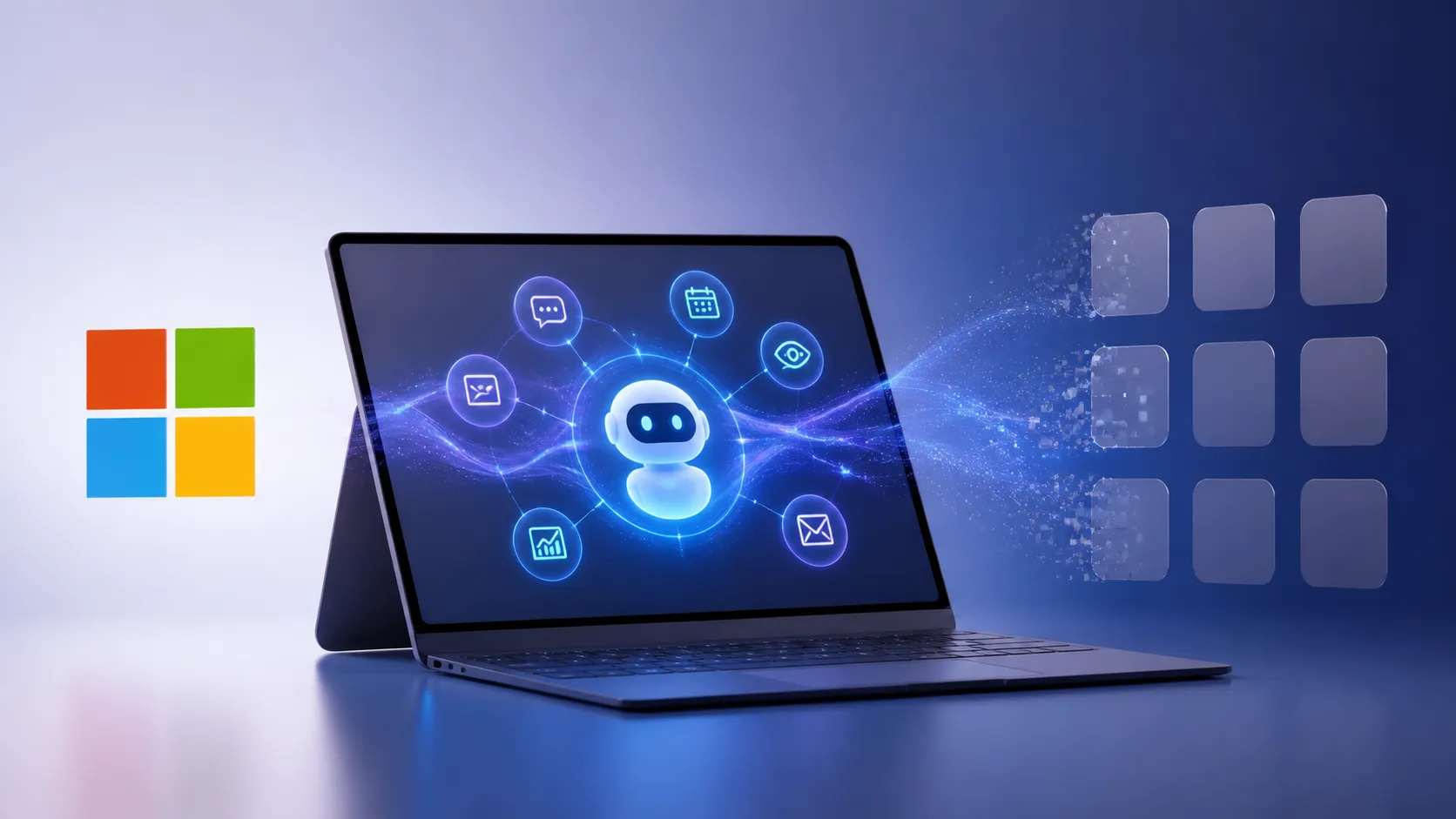
June 15, 2026, (Inside AI) — Microsoft has unveiled a radical reimagining of personal computing where autonomous AI agents replace traditional apps, anchored by a new device platform called Project Solara. The vision, laid out at the Build 2026 developer conference in San Francisco on June 2, bets on always-on, context-aware hardware running a secure enterprise version of Android rather than Windows.
This shift signals a future where workers interact with intelligent agents through wearable badges and desk companions, not smartphones or laptops. It’s a bet that the app-centric model is fading, and agent-driven interfaces will dominate.
Why Solara Ditches Windows for a Secure Android Fork
Solara runs on the Microsoft Device Ecosystem Platform (MDEP), an enterprise-hardened Android variant previously used in Teams meeting-room gear. Choosing MDEP over Windows was pragmatic: it supports smaller, low-power devices while retaining critical IT controls like patch management, over-the-air updates, device integrity checks, Microsoft Defender, Intune, and Entra ID sign-in.
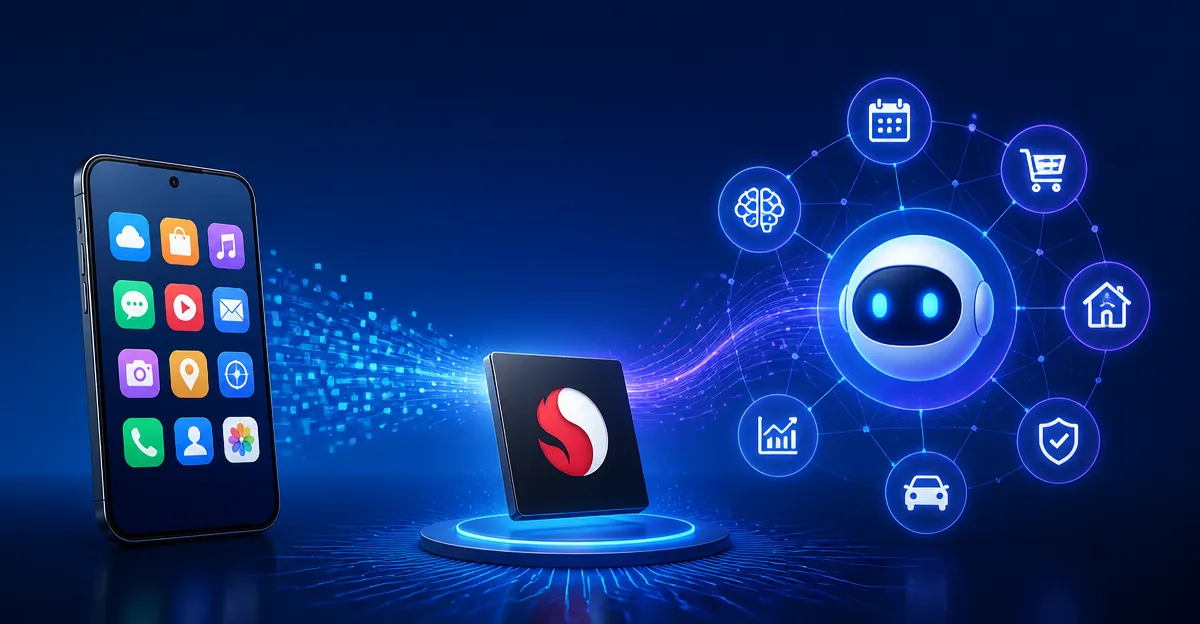
Two concept devices showcase the platform. A badge-style wearable on Qualcomm silicon targets frontline workers needing quick agent access. A desk companion built on MediaTek’s IoT SoC stays always on and context-aware, displaying Microsoft 365 data such as Outlook events and Excel sheets. Pilots with AccuWeather, Best Buy, CVS Health, Levi’s, and Target will begin in coming months.
The Agent Ecosystem and MAI Model Family
Beyond hardware, Microsoft launched seven homegrown MAI models trained from scratch. The flagship MAI-Thinking-1 reasoning model uses a sparse Mixture-of-Experts design with roughly 35 billion active parameters and a 256,000-token context window, now in private preview via Microsoft Foundry. Other models include MAI-Code-1-Flash for coding and MAI-Image 2.5 for image generation.
These models underpin an agent ecosystem built around Scout and GitHub Copilot. Microsoft envisions agents that can reason, code, and transcribe speech across languages, all while operating inside a new system-level security sandbox called MXC.
Nadella’s Defining Moment
CEO Satya Nadella framed the announcements as historic. He compared Build 2026 to the launch of Azure in 2010, declaring every layer of the digital stack is being reimagined.
“Every layer of the digital stack is being reimagined around AI,” Nadella said. “Agents are the new applications, models are the new infrastructure, and devices are the new sensors for understanding human context.”
He also stressed the need for governance, urging developers to give agents identities and policy frameworks for safe enterprise use.
Concept Cars, Not Shipping Products
Industry analysts praised the software vision but tempered expectations for the hardware. The Solara devices resemble concept cars rather than ready-to-ship products. Microsoft has not disclosed general availability, commercial pricing, or regional deployment timelines. For now, it’s a glimpse of a future waiting on breakthroughs in model intelligence and interface design.
Despite the uncertainty, the strategy marks a clear departure from Windows-centric computing. By embracing a secure Android base and agent-first interactions, Microsoft is hedging against a world where the app store model no longer makes sense.