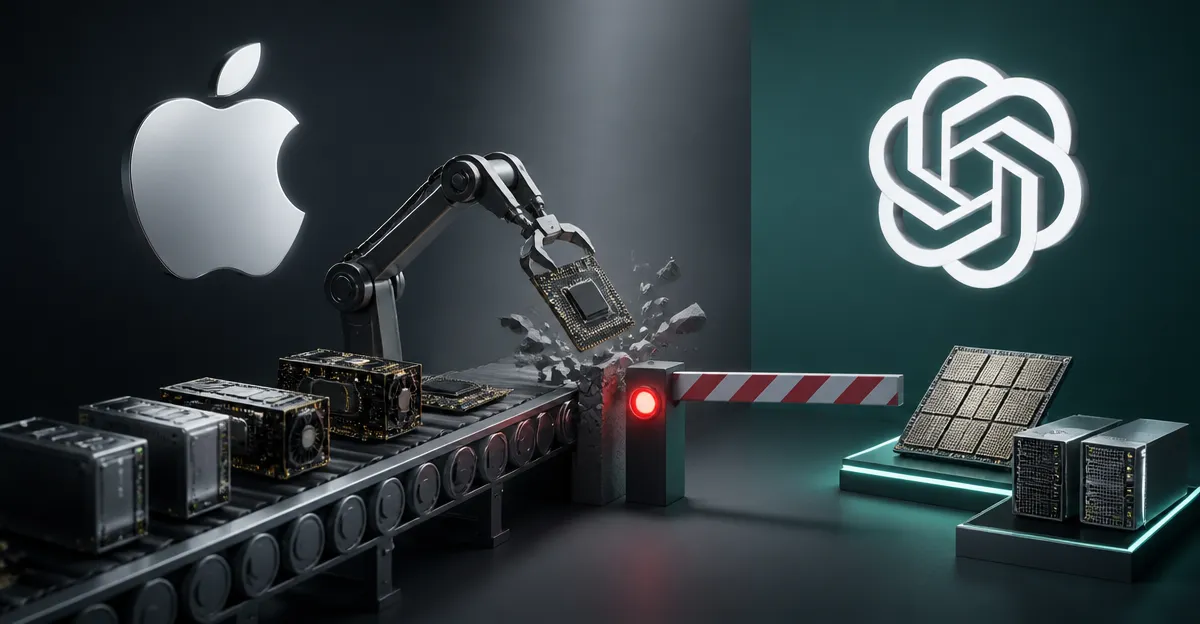
November 29, 2026, (Inside AI) — OpenAI has accused Apple of leveraging its manufacturing clout to disrupt the development of OpenAI's upcoming AI hardware devices. In counterclaims filed on November 27 in a California federal court, OpenAI alleges that Apple pressured suppliers to limit or abandon work with the AI company, and that some manufacturers now fear losing Apple's business if they continue supporting OpenAI's projects.
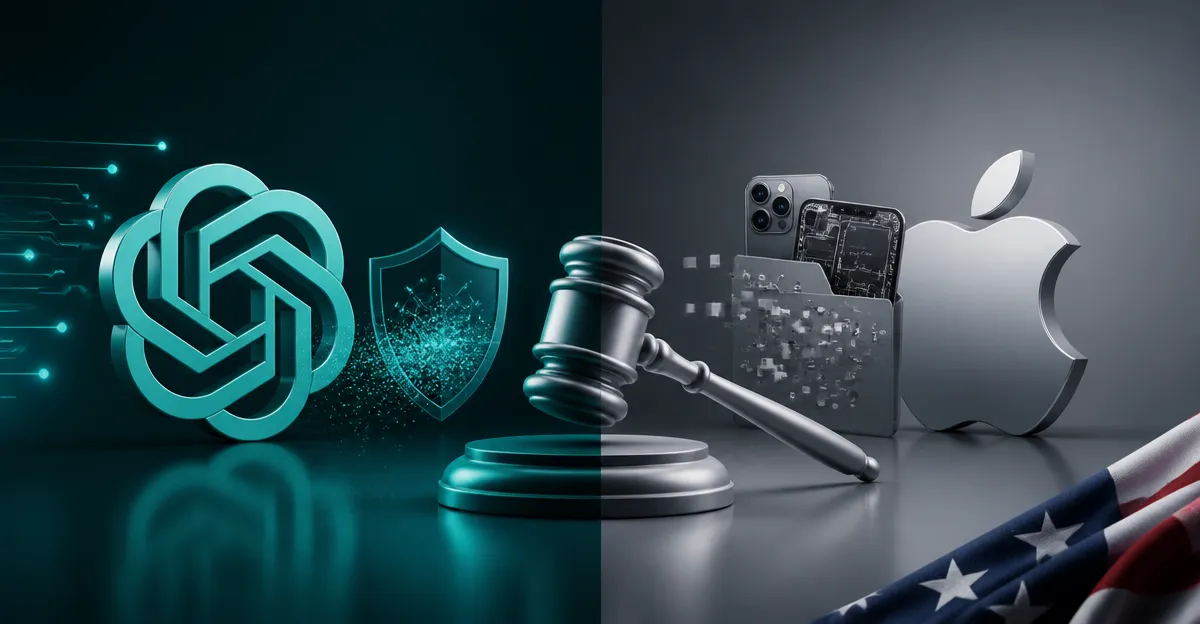
The filing marks a sharp escalation in a legal fight that began in July 2026, when Apple sued OpenAI for allegedly misappropriating trade secrets related to product design and manufacturing methods. OpenAI's counterclaims shift the battleground from confidential information to supply-chain coercion, suggesting the dispute now threatens OpenAI's ability to bring physical products to market.
According to the filing, Apple's supply-chain teams have asked manufacturers for details about their OpenAI projects, including project locations and the employees assigned to them. OpenAI also claims Apple sought information about workers who previously held positions at the iPhone maker, and tried to prevent those employees from handling Apple-related assignments. The filing describes a climate of fear among suppliers, some of whom have rescheduled meetings or warned OpenAI about committing staff and production resources to its devices.
One example involves a supplier specializing in metal finishing. OpenAI alleges that Apple objected to the manufacturer processing components for both companies in the same production area during overlapping hours. After the objection, the supplier moved OpenAI's production to a separate overnight shift, which OpenAI says increased costs and complicated its manufacturing process. Another manufacturer reportedly backed out of planned work after facing pressure from Apple. Neither OpenAI nor the filing has publicly identified the suppliers, and the accounts remain unverified.
Read: OpenAI Models Cut Chip Area by 13%, Boost AMD GPU PPA by 14%
Apple has rejected the counterclaims. In a statement, the company described them as an attempt to distract from the original lawsuit. Apple's initial suit named former Apple employees, including hardware chief Tang Yew Tan and engineer Chang Liu, alleging they helped OpenAI access sensitive information. Apple also claimed OpenAI used a shared manufacturing partner to reproduce a proprietary metal-finishing technique. OpenAI has denied stealing trade secrets, and in October both companies reached an agreement restricting the use of Apple's confidential information. That agreement did not establish that OpenAI committed trade-secret theft.
The dispute unfolds as OpenAI pushes beyond software. In 2025, the company acquired io, the hardware startup founded by former Apple design chief Jony Ive. The deal brought former Apple designers and engineers into OpenAI's hardware efforts. OpenAI has confirmed that Ive and his design collective, LoveFrom, are working on new products, but it has not revealed specifications, pricing, or a launch date for its first consumer device.
The allegations raise questions about how much influence Apple wields over the contract manufacturers that build its products. Many of those same suppliers depend on Apple for a significant share of their revenue, giving Apple substantial leverage. OpenAI's filing suggests that leverage may extend beyond commercial negotiations into deliberate interference with a competitor's production plans.
Legal experts note that proving such interference requires evidence of improper pressure, not just routine supply-chain management. Apple routinely asks suppliers about their capacity and commitments, and it can legitimately prioritize its own orders. OpenAI would need to show that Apple's actions went beyond normal business practices and were intended to harm OpenAI's hardware ambitions.
The case also highlights the growing overlap between AI software companies and traditional hardware makers. As AI firms seek to embed their models in physical devices, they must navigate supply chains dominated by established players. For OpenAI, the stakes are high: any delay or cost increase in manufacturing could hamper its ability to compete in a market where Apple, Google, and Amazon already have deep hardware expertise.
Read: Nvidia, Kioxia team on AI server memory as alternative to South Korean chips
Apple's lawsuit and OpenAI's counterclaims are ongoing. No court has ruled on the merits of either side's allegations. The case is being watched closely as a test of how far a dominant hardware company can go to protect its supply chain and trade secrets against a rising AI challenger.

If a research paper dropped this week, Mahesh has already read it. He covers AI tools and vibe coding for builders who need to know what is worth their time and what is not.