August 5, 2026, (Inside AI) — The Trump administration is drafting a ban on U.S. imports of new Chinese-made optical transceivers, a critical component in data centers powering the AI boom. The Federal Communications Commission is spearheading the measure, Reuters reported on August 4, targeting a market valued at $26 billion that is already strained by surging demand from chatbot infrastructure buildouts.
The proposed restriction zeroes in on optical transceivers, which convert electrical signals to light and back, enabling high-speed data transmission between servers. These components are essential for scaling AI clusters, and China dominates their supply. A ban would force U.S. data center operators to scramble for alternatives at a time when lead times are already extended and costs are climbing.
This move adds another layer of complexity to the U.S. government’s balancing act on AI safety. While aiming to secure supply chains against geopolitical rivals, policymakers risk slowing down domestic AI development. The tension mirrors earlier semiconductor export controls, which drew criticism for hampering U.S. firms while pushing China toward self-sufficiency.
The optical transceiver market has been under immense pressure. Banning Chinese imports could exacerbate these shortages, potentially delaying AI training runs and increasing costs for major cloud providers.
Industry analysts have long warned about overconcentration in the optics supply chain. A Georgetown CSET report highlighted that Chinese firms like Innolight and Accelink hold significant market share, and U.S. reliance on them poses a strategic risk. Yet, the paper also cautioned that abrupt decoupling could disrupt the AI ecosystem, given the lack of immediate, scalable alternatives.
The FCC’s involvement signals that the ban may be framed under communications security authorities, similar to past actions against Huawei and ZTE. However, optical transceivers are less visible than 5G gear, making public and industry pushback more muted. Still, the data center sector, already grappling with power constraints and chip shortages, views this as another headwind.
Some experts argue the ban could accelerate U.S. investment in domestic optics manufacturing. The CHIPS Act has spurred billions in semiconductor fabrication, but optical components have received less attention. Companies like Intel and Coherent are ramping up production, yet scaling to replace Chinese imports will take years.
Meanwhile, the broader AI safety debate continues. The administration has pursued multiple tracks: restricting technology flows to adversaries while promoting responsible AI development at home. Critics say these efforts often conflict, creating uncertainty for businesses. The optical transceiver ban is the latest example of how national security concerns can collide with commercial realities.
The full impact remains unclear, as the ban is still in draft stages and may include exemptions or phase-in periods. But with AI infrastructure spending projected to hit hundreds of billions this decade, any supply chain disruption could have outsized effects on the pace of innovation.
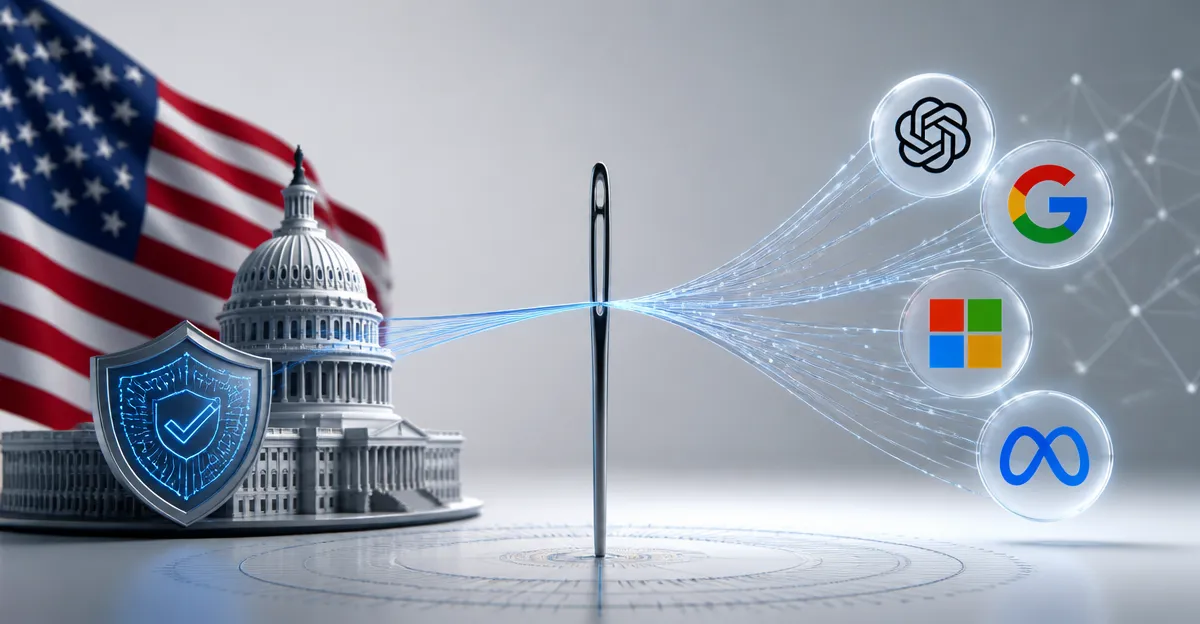
In related developments, the U.S. has also been tightening rules on AI chip exports and considering curbs on open-source models. These moves reflect a broader strategy to maintain technological leadership, but they also risk fragmenting global AI research and supply chains. As the race intensifies, the ability to thread the safety needle without tripping up progress will define the next phase of AI governance.