November 25, 2026, (Inside AI) — A double shock hit global markets on Wednesday as Asian equities tumbled under the weight of renewed US tariff threats and a fading artificial intelligence rally. The selloff was sharpest in the region's semiconductor-heavy markets, with South Korean shares falling as much as 5.3% and Taiwan dropping 5.1% at their worst points.
The broader MSCI Asia-Pacific index outside Japan fell 2.3%, while Japan's Nikkei 225 slid 2.9% and S&P 500 e-mini futures traded 0.3% lower. The retreat marks a stark reversal from the tech-led optimism that had driven markets higher in recent weeks, with investors now confronting a volatile mix of trade policy uncertainty and questions about the durability of AI-driven earnings growth.
At the center of the turmoil is the US Trade Representative's office, which is preparing to release findings from an investigation into alleged excess industrial capacity among 16 major trading partners, including China and the European Union. According to three people with knowledge of the matter, the probe could pave the way for new tariff measures. The timing, ahead of the Thanksgiving holiday and key inflation data, has amplified market anxiety.
"The re-emergence of tariffs from the USTR has been met with a collective sigh from investors," said Chris Weston, head of research at Pepperstone Group Ltd in Melbourne. "Much like the US debt ceiling, which is also making an unwelcome comeback onto the radar, traders appear reluctant to commit significant capital on the headlines alone."
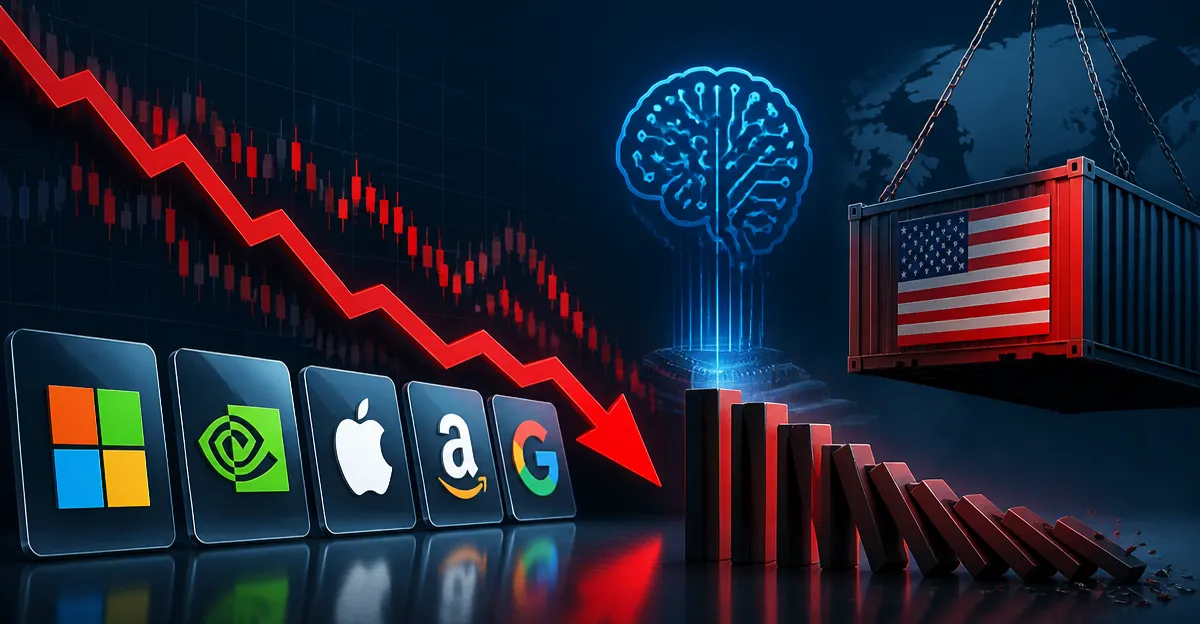
The tariff threat compounds existing pressure on the AI trade. Overnight on Wall Street, the S&P 500 fell 0.5% and the tech-heavy Nasdaq Composite dropped 1.5%, while the Dow Jones Industrial Average gained 0.9% and the small-cap Russell 2000 rose 0.6%. The divergence suggests investors are rotating away from high-flying technology names toward more defensive sectors.
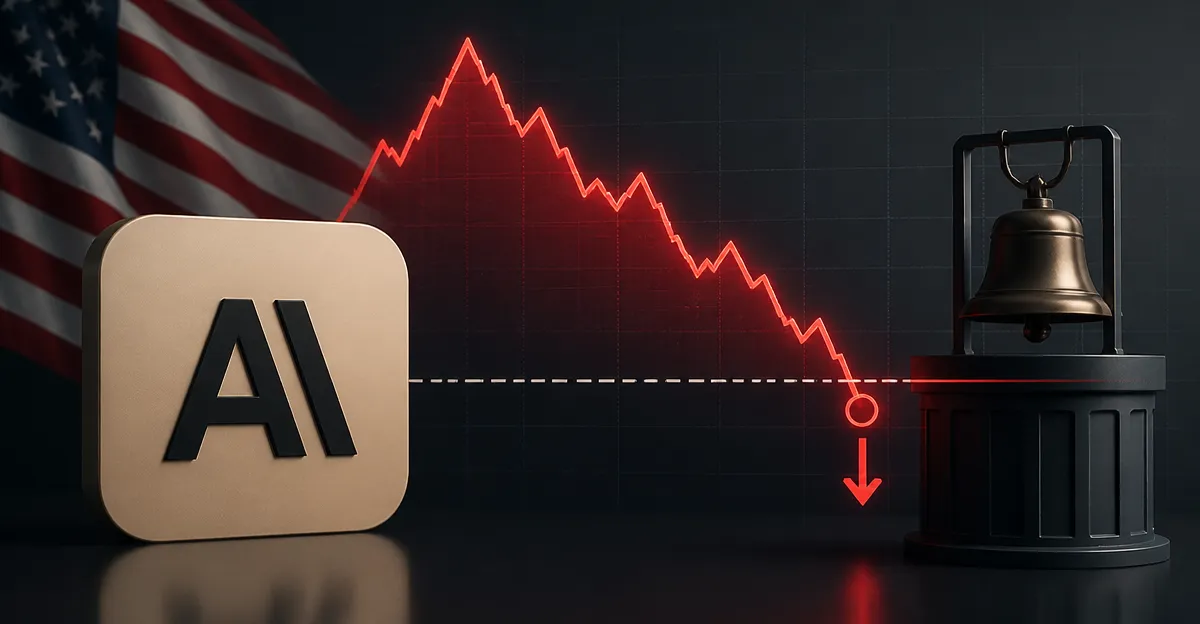
Nvidia surrendered 5.9% after Jensen Huang's return as CEO earlier this week, while Anthropic fell 6.5% to below its IPO price. The declines came despite better-than-expected earnings from Dell on surging AI server demand, which sent its shares up 4.1% in after-hours trading. The mixed signals underscore a market struggling to price in both robust AI infrastructure spending and growing skepticism about valuations.
"Wall Street pared its Monday advance as sobriety returned to the market and a focus returned to fundamentals," said Kyle Rodda, senior market analyst at Capital.com in Melbourne.
The pullback in AI-linked stocks carries particular weight for Asia's export-dependent economies. South Korea and Taiwan host critical nodes in the global semiconductor supply chain, and their markets have become de facto barometers for AI sentiment. A sustained retreat could ripple through capital expenditure plans and hiring across the region's tech manufacturing hubs.
The broader economic backdrop offers little comfort. US consumer confidence rose more than expected in November, reaching its highest level in nearly two years. Yet inflation pressures persist elsewhere. Australian consumer prices climbed more than expected in October, with the annualized trimmed mean measure at 3.8%, well above target. The data ramps up pressure on the Reserve Bank of Australia, which has already raised rates by 125 basis points this year.
Attention now turns to US core PCE data due on Wednesday, a key inflation gauge the Federal Reserve watches closely. The release comes ahead of the Thanksgiving holiday, thinning liquidity and potentially amplifying market moves.
In commodities, Brent crude opened 0.5% lower at $90.97 in Asia after a choppy session that saw prices settle more than 2% higher on reports of new attacks on vessels near the Strait of Hormuz. Copper and tin fell sharply, giving up previous gains as the fading AI rally weighed on industrial metals, while aluminum sank to a 13-month low.
In cryptocurrencies, Bitcoin fell 1% to $59,257.71 while ether slid 1.1% to $1,660.52.

Shamil has a low tolerance for AI that only works in controlled demos. He covers agentic systems and generative AI with the skepticism of someone who has seen too many “revolutionary” tools quietly disappear six months after launch.