September 30, 2026, (Inside AI) — In a move that quietly reshapes enterprise AI procurement, Moonshot AI's Kimi K3 model is now available through OpenAI's enterprise Codex channel, thanks to a partnership with US inference provider Baseten. Enterprise customers can now count their usage of the Chinese open model against their existing OpenAI spending commitments, according to sources familiar with the arrangement.
This marks the first time a Chinese open model has been integrated into OpenAI's enterprise billing system, as reported by Sina Finance. The development signals a significant shift in how enterprises can access and pay for AI models, potentially simplifying procurement and broadening the competitive landscape.
Baseten Bridges OpenAI And Moonshot
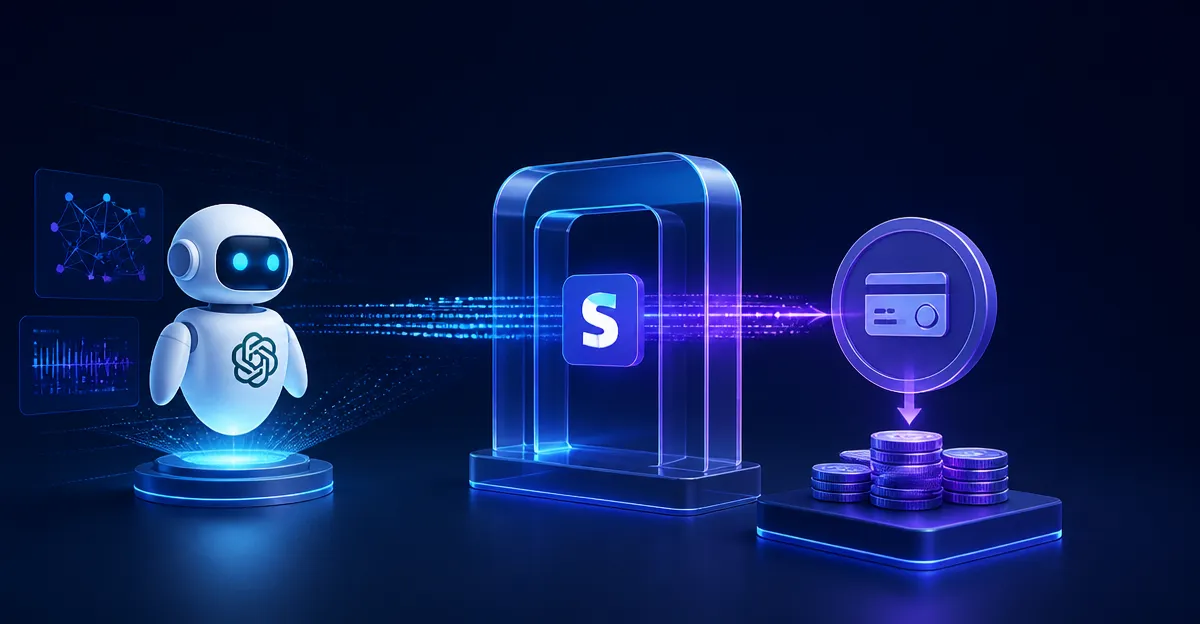
The arrangement allows companies to use Kimi K3 within their existing procurement agreements with OpenAI, eliminating the need for a separate supplier contract. Baseten handles the model inference, while Codex provides the developer interface. This integration means that enterprises already committed to OpenAI's ecosystem can experiment with and deploy a leading Chinese model without additional administrative overhead.
For OpenAI, this move could be seen as both a competitive threat and a strategic play. By allowing a rival model into its billing system, OpenAI may be betting that it can retain customers by offering flexibility and choice, rather than forcing them into a walled garden. However, it also risks cannibalizing usage of its own models if Kimi K3 proves to be more cost-effective or capable for certain tasks.
Read: Microsoft revamps Copilot into AI 'super app' with coding tools, always-on agent
Moonshot AI, a Chinese startup, has been making waves with its Kimi series of models, which are known for their strong performance on long-context tasks and competitive pricing. The K3 iteration is the latest and most advanced, and its availability through a US provider like Baseten could accelerate its adoption among Western enterprises that might otherwise be hesitant to work directly with a Chinese vendor.
Enterprise Procurement Gets A New Twist
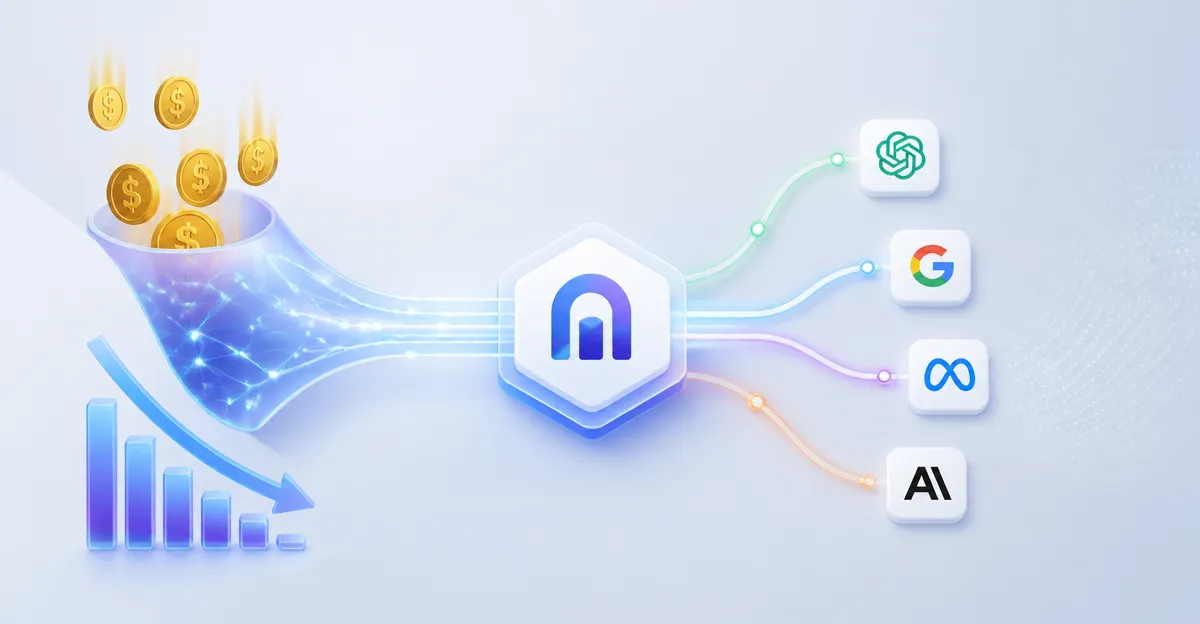
The ability to count Kimi K3 usage against OpenAI spending commitments is a novel twist in enterprise AI procurement. Traditionally, companies negotiate separate contracts with each model provider, leading to a fragmented vendor landscape. This integration could pave the way for more such cross-provider arrangements, where a single billing relationship grants access to multiple models.
Baseten, a startup that specializes in model inference and deployment, has been positioning itself as a neutral platform that can host a variety of models. Its role here is crucial: it provides the infrastructure to run Kimi K3 at scale, ensuring performance and reliability that enterprises demand. The partnership with OpenAI's Codex channel gives Baseten a direct pipeline to a large base of enterprise customers.
Industry analysts have long predicted that the AI model market would eventually resemble the cloud computing market, with a few dominant platforms offering a marketplace of models. This move by OpenAI and Baseten is a step in that direction, though it remains to be seen whether it will become a standard practice or remain an isolated experiment.
For enterprises, the immediate benefit is simplified billing and the ability to test Kimi K3 without a lengthy procurement process. This could speed up innovation cycles, as teams can quickly prototype with different models and scale up the ones that work best. However, it also raises questions about data governance and compliance, especially when using a Chinese model through a US intermediary. Baseten and OpenAI have not publicly detailed how they handle data privacy and security for this arrangement.
The financial terms of the partnership were not disclosed. It is also unclear whether OpenAI receives a cut of the revenue from Kimi K3 usage or if the arrangement is purely a billing convenience. Inside AI could not independently verify these details.
Read: Cloudflare Adds Model Overkill Detection to AI Gateway User Insights
This development comes amid heightened scrutiny of Chinese AI models in the US, with some lawmakers calling for restrictions on their use in critical sectors. However, the open-source nature of Kimi K3 and its availability through a US company may mitigate some concerns. It also highlights the growing interdependence of the global AI ecosystem, where innovation flows across borders despite political tensions.
For now, the integration is live, and enterprise customers can begin using Kimi K3 through their OpenAI accounts. It remains to be seen how this will affect OpenAI's relationship with its own model developers and whether other model providers will seek similar arrangements. One thing is clear: the lines between AI platforms and model providers are blurring, and enterprises stand to gain from the increased flexibility.