November 25, 2026, (Inside AI) — US Attorney General Todd Blanche on Tuesday declined to confirm or deny whether the Justice Department or the FBI has investigated Nvidia or its reinstated CEO, Jensen Huang, even as he praised the chipmaker as a "good corporate citizen." The remarks, made to the BBC, come days after Huang's surprise return to lead the company following his ouster over a Chinese espionage scandal and reported intervention by President Donald Trump.
Blanche said he had no information about Huang's security clearance status. When pressed on whether federal authorities had probed Huang, he replied: "I don't know what you're talking about." His comments leave key questions unanswered as Huang prepares to testify before Congress next week on national security concerns, including his relationship with an alleged China spy who led Megaspeed, a Singapore-based corporate customer of Nvidia.
The episode underscores the unusual collision of corporate governance, national security, and presidential politics now surrounding the world's most valuable chipmaker. Nvidia's board reinstated Huang on Monday, stating it had received input from senior levels of the US government and was confident his return posed no national security risk. Chairman Harvey Jones said the decision was in the "best interests of our stockholders, employees, partners and customers."
Trump, meanwhile, told the New York Post he would consider pardoning Huang for any potential criminal activity, though he doubted it would be necessary. "It's always an option, I guess, but I don't think it'll be necessary," Trump said. The president's comments suggest a willingness to shield Huang from legal jeopardy, even as federal agencies continue to investigate export control violations tied to Megaspeed.
Did Politics Override National Security?
The Justice Department's public stance has raised eyebrows among national security experts. Blanche insisted that if Nvidia were under criminal investigation or obstructing justice, the president's message would be different. "Obviously, if Nvidia was the target or was subject to some criminal investigation, or they were obstructing or thwarting our investigation, then that wouldn't be the message that the president is saying to the American people," he said. "It shouldn't be what my message would be either," he added. Yet his refusal to address the probe directly leaves room for interpretation. The Commerce Department has said it is preparing to blacklist Megaspeed, which is suspected of helping divert advanced chips to China. In a joint statement last week, the Commerce and Justice departments said they began investigating Megaspeed in 2024 "for potential export control violations."
The timing of Huang's reinstatement, just days before his congressional appearance, suggests a calculated effort to manage the fallout. Nvidia's board cited input from senior US government officials, a detail that implies coordination with the White House. Critics argue this sets a troubling precedent: a CEO ousted over espionage concerns returns to power with political backing, while the Justice Department stays silent on its own inquiries. Supporters counter that Huang's leadership is vital for US competitiveness in AI chips, and that no charges have been filed.
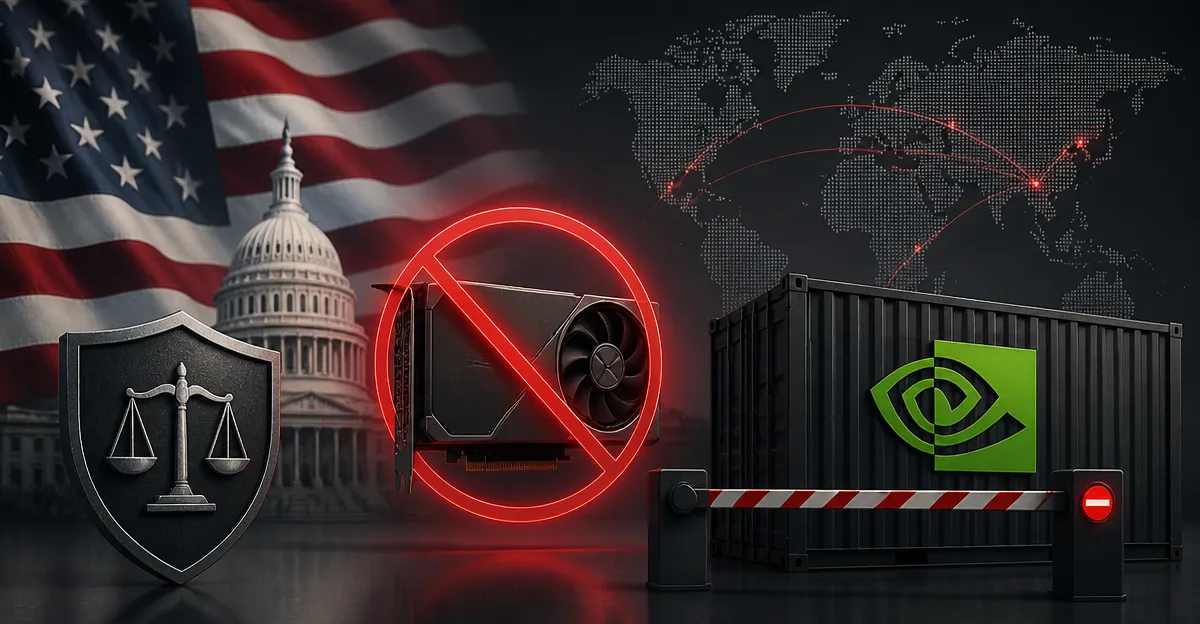
This is not the first time Nvidia has faced scrutiny over exports to China. The company has consistently denied knowingly allowing its chips to be diverted. However, the Megaspeed case has intensified pressure on the Commerce Department's Bureau of Industry and Security to tighten enforcement. The planned blacklisting of Megaspeed would bar US companies from selling to it without a license, a move that could disrupt Nvidia's sales in Singapore, a key transshipment hub.
Huang's testimony next week will be closely watched. Lawmakers are expected to grill him on his ties to the alleged spy and on whether Nvidia did enough to vet its customers. The White House has not commented on the security clearance issue, but Trump's pardon remarks suggest he views the matter as politically motivated. For now, the Justice Department's silence leaves the public with more questions than answers, and Nvidia's critics with ample ammunition.

Sofia spent years studying how machines parse human language before pivoting to cover the systems now rewriting it. She reads technical papers the way others read news and looking for what the numbers are actually saying beneath the headlines.