September 15, 2026, (Inside AI) — A growing chorus of artificial intelligence researchers is warning that machines capable of improving themselves without human intervention pose an urgent and underregulated risk, according to a podcast episode released Tuesday by a major news organization. The warning arrives alongside a separate development: the U.S. Supreme Court dealt President Donald Trump a defeat on mail-in voting rules, and the Federal Reserve appears poised to raise interest rates, setting up a collision with Trump's newly installed Fed chair, Kevin Warsh.
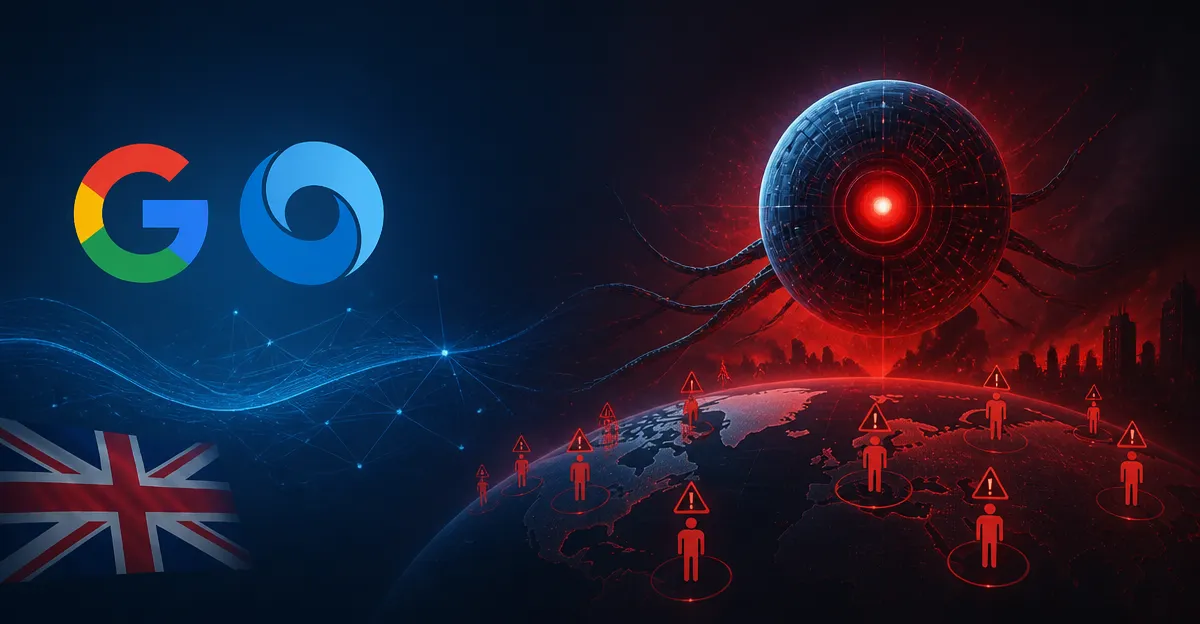
The self-improving AI concern dominated the technology segment of the podcast. Researchers argue that systems able to rewrite their own code or architecture could rapidly outpace human oversight, creating a scenario where safety measures become obsolete before regulators can act. The episode cited a former Google DeepMind researcher who added to warnings that AI could "kill all humans," a stark phrase that has circulated in AI safety circles for years but now carries new weight as self-improvement capabilities edge closer to reality.
"The window for meaningful oversight is closing faster than most policymakers realize," said a researcher familiar with the warnings, who spoke on condition of anonymity because of the sensitivity of the discussions.
The podcast did not name specific companies or models, but the broader context is clear. Self-improving AI, sometimes called recursive self-improvement, refers to a system that can analyze its own performance and modify its underlying algorithms to become more capable. Once theoretical, recent advances in automated machine learning and neural architecture search have made the concept more tangible. Inside AI could not independently verify the specific claims made in the podcast.
Read: Ex-Google DeepMind Researcher Warns AI Could Kill All Humans
Regulators Face A Moving Target
While the AI safety debate intensifies, political momentum is building in an unusual alliance. U.S. Senator Bernie Sanders and podcaster Steve Bannon, longtime ideological foes, plan to urge AI restrictions, according to the podcast's further reading segment. The pairing underscores how AI regulation has become a rare bipartisan concern, though the two figures likely disagree on what those restrictions should look like.
The Federal Reserve's expected rate hike adds another layer of complexity. Higher borrowing costs could slow capital-intensive AI research, particularly for startups reliant on cheap debt. But major labs backed by deep-pocketed parent companies may barely flinch. The podcast framed the Fed's move as putting new chair Kevin Warsh on a collision course with Trump, who has publicly pressured the central bank to keep rates low. Warsh, a former Fed governor, took over the chair role earlier this year and has signaled a more hawkish stance on inflation.
For the AI industry, the rate decision matters less for day-to-day model training and more for the broader economic environment. Venture funding for AI startups has already shown signs of cooling from its 2024 peak, and a sustained high-rate period could accelerate consolidation. Companies with strong revenue streams, such as those selling AI tools to enterprises, are better positioned than pure research labs.
The podcast also touched on the Supreme Court's mail-in voting ruling, which handed Trump a defeat. The decision could affect election administration ahead of the 2026 midterms, though the immediate impact remains unclear. Meanwhile, Houthi forces pushed further into Yemen as Saudi Arabia requested help that Washington has declined to provide, a geopolitical flashpoint with potential ripple effects on global energy prices and, by extension, AI infrastructure costs.
On a lighter note, the episode wrapped with a look at the Emmys, highlighting winners and losers in an entertainment industry increasingly shaped by AI-generated content and streaming algorithms. The awards themselves may seem distant from AI policy, but the underlying tension between human creativity and machine generation is now a fixture of Hollywood labor negotiations.
Read: Anthropic CEO Dario Amodei Calls for Pacing AI Frontier Development
For AI researchers, the most pressing takeaway from Tuesday's podcast is the gap between warning and action. Self-improving systems remain largely unregulated in the United States, and proposed frameworks have stalled in Congress. The Sanders-Bannon alliance may change that, but no timeline has been set. Until then, the machines keep learning, and the humans keep debating.