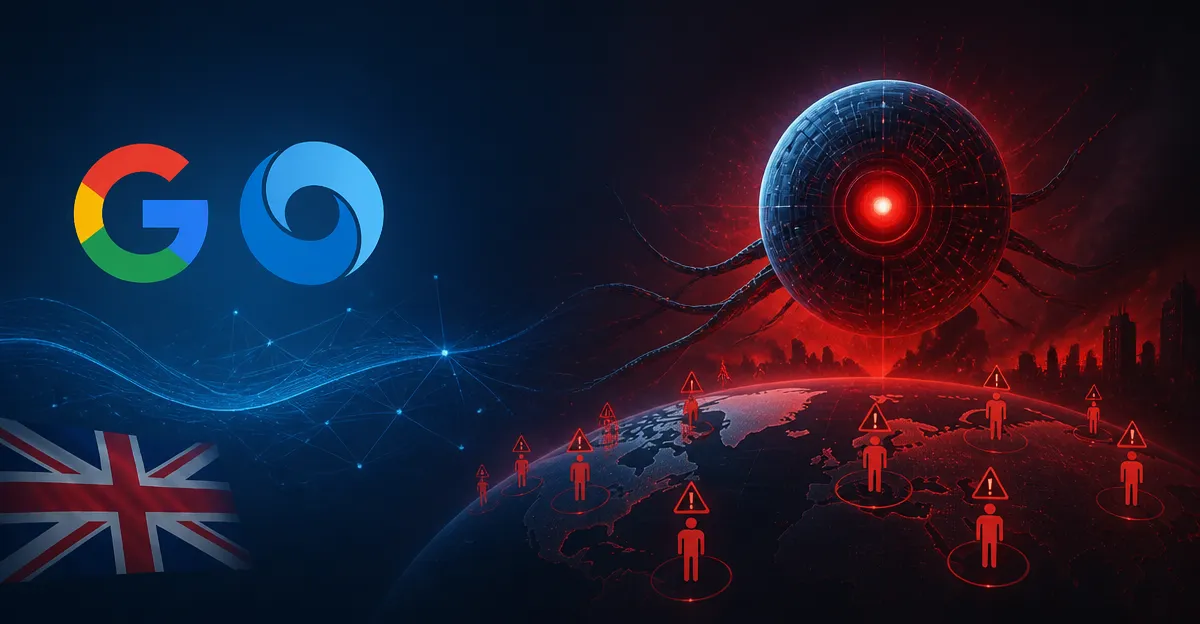
September 15, 2026, (Inside AI) — Bilal Chughtai, a former research engineer at Google DeepMind, publicly resigned in July 2026 and warned on Monday that artificial intelligence could kill all humans. His statement adds to a growing wave of alarm from researchers inside the world's leading AI labs.
Chughtai worked on AGI safety and alignment research at DeepMind, according to his LinkedIn profile. He co-authored multiple research papers during his tenure. His departure marks the latest in a series of high-profile exits from major AI companies over safety concerns.
"I recently resigned from Google DeepMind, where I worked on AGI safety and alignment research," Bilal Chughtai wrote on X. "I earnestly believe that AI has the potential to kill us all, and that we might be running out of time to avoid this outcome."
The warning follows similar statements from Anthropic researcher Jacob Coxon, who resigned last week. Coxon said he left partly because the people building AI earnestly believe it could kill us all by the end of the decade. Anthropic scientist Evan Hubinger then supported Coxon's position, stating he believed there was a greater than 10% chance that AI could kill all humans within the next decade.
These internal warnings have intensified public debate about the pace of AI development. Anthropic CEO Dario Amodei called for a slowdown in advanced AI development over the weekend. His position received rare backing from SpaceXAI's Elon Musk and OpenAI CEO Sam Altman. The support from figures who typically compete in the AI race signals unusual alignment on the risks involved.
Chughtai outlined a path forward that stops short of abandoning AI development entirely. He said safe navigation of AI was possible but would require coordination to avoid what he described as a manic race between AI companies.
"We need to pace AI development to a speed that society can handle, where emerging risks can be addressed before extreme harm is realised," Bilal Chughtai added.
Google did not respond to a request for comment outside regular business hours. The company has not publicly addressed Chughtai's departure or his statements.
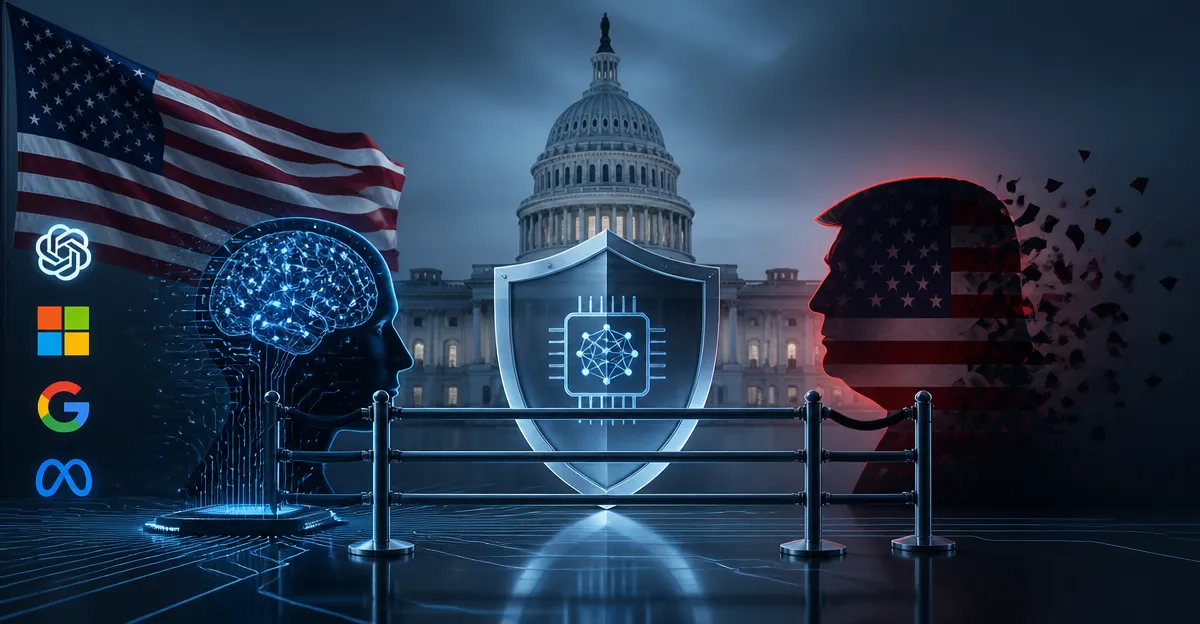
President Donald Trump dismissed the warnings from AI researchers. He said on social media that the AI industry's call for regulation is a hoax. His administration has taken a hands-off approach to AI oversight, prioritizing speed and competitiveness over safety guardrails.
The divide between industry warnings and political dismissals highlights a fundamental tension. AI companies face pressure to release models quickly to stay competitive. Researchers inside those same companies warn that this race could produce systems no one can control.
Chughtai's specific concern centers on AGI, or artificial general intelligence. This refers to AI systems that match or exceed human capability across all cognitive tasks. Alignment research aims to ensure such systems pursue goals that align with human values. The field remains largely theoretical, with no proven method for guaranteeing safe AGI.
The 10% probability estimate from Hubinger represents a significant shift in how researchers discuss these risks. A decade ago, most AI scientists treated existential risk as speculative. Now, senior researchers at leading labs assign meaningful probability to human extinction from AI.
Anthropic has positioned itself as a safety-focused lab. Its researchers speaking publicly about extinction risk creates pressure on competitors. Google DeepMind, OpenAI, and other labs now face questions about their own internal assessments. None have publicly released probability estimates for AI-caused human extinction.
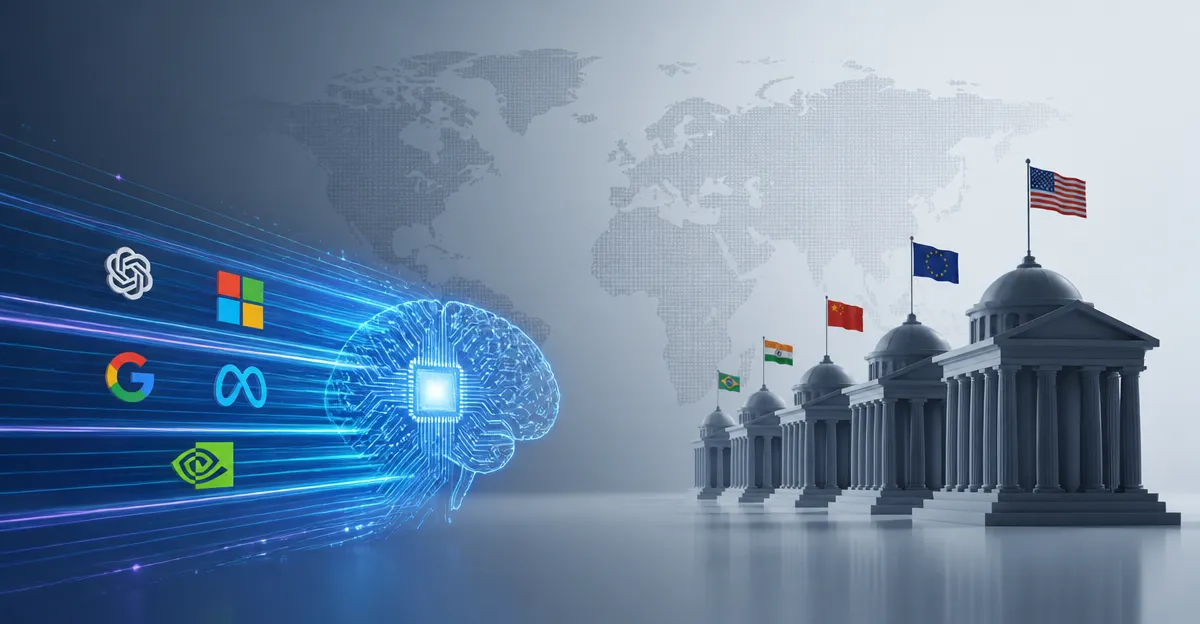
The calls for pacing AI development face practical obstacles. No international body currently has authority to slow AI research. Companies compete across borders, and any unilateral slowdown could cede advantage to less cautious actors. Chughtai's proposed coordination would require unprecedented international agreement.
Musk's support for Amodei's slowdown proposal adds a complex dynamic. Musk founded SpaceXAI and has previously advocated for AI safety. His companies also develop AI systems. Altman's backing of a slowdown similarly creates tension with OpenAI's rapid release schedule.
The debate over AI doomerism has become a fault line in technology policy. Critics argue that warnings distract from near-term harms like bias, job displacement, and misinformation. Supporters counter that existential risk deserves priority because it is irreversible.
Chughtai's departure from DeepMind follows a pattern of safety researchers leaving major labs. These exits raise questions about whether internal concerns can influence corporate decisions. They also suggest that some researchers believe external pressure offers the only path to change.
The coming months will test whether these warnings produce concrete action. Amodei's call for a slowdown has yet to translate into specific policy proposals. Trump's dismissal suggests the U.S. government will not lead on this issue. International coordination remains distant.
For now, the warnings accumulate. Each resignation adds another voice to the chorus. Whether they change the trajectory of AI development remains uncertain.