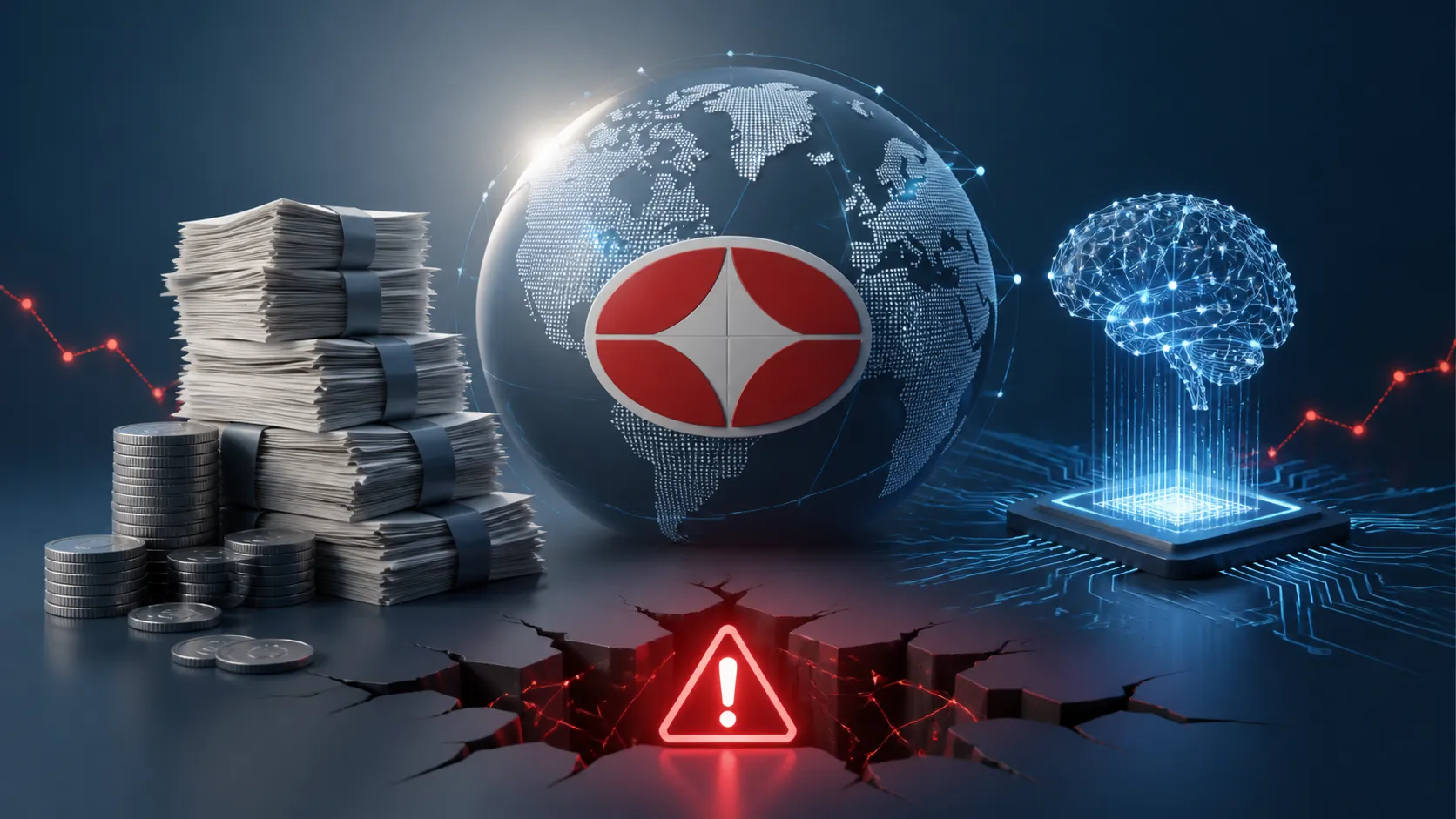
June 28, 2026, (Inside AI) — The Bank for International Settlements (BIS) issued a stark warning on Sunday, flagging rising public debt, financial fragilities, and the uncertain durability of the artificial intelligence boom as key global risks. In its Annual Economic Report, the central bank umbrella group urged disciplined policymaking to counter a complex mix of vulnerabilities.
The report lands as economies show resilience but face renewed inflation, supply shocks, and the potential for entrenched price pressures. BIS General Manager Pablo Hernandez de Cos stressed the need for coordinated action.
“Policy actions must reinforce each other to avoid a pull and push on the global economy. Ultimately, success depends on sound fiscal and financial foundations,” he said.
AI Investment Frenzy Echoes Past Booms and Busts
The BIS zeroed in on the AI sector, where a surge in investment has boosted confidence and growth expectations. Yet the bank cautioned that supply bottlenecks, fierce competition, and fears over job displacement could mirror overinvestment cycles of the past. The financing of this boom increasingly leans on debt and complex structures, amplifying fragility.
De Cos declined to prescribe central bank responses to AI-driven economic shifts, calling it “unwise” for now. But the report raises fundamental questions about how AI will reshape economic functioning, with the BIS urging vigilance against complacency.
Frank Smets, acting head of the BIS monetary and economic department, highlighted a “new sovereign-financial stability nexus.” Record public debt and sovereign markets dominated by large, leveraged hedge funds could trigger sharper, more frequent bond selloffs, rapidly tightening financial conditions.
“The new fiscal-financial stability nexus may mean more frequent and sharper drops in sovereign bond values,” Smets said.
Inflation Anchoring and Geopolitical Relief
On inflation, de Cos emphasized readiness to act if expectations become unmoored. “The readiness to act if the central banks observe that there is the anchoring of inflation expectations is the main message that we want to set,” he told reporters. He noted that the recent ceasefire between the United States and Iran and the reopening of the Strait of Hormuz was “good news,” though oil market normalization would take time.
The BIS called for prioritizing price stability, fiscal sustainability, and oversight beyond banking. De Cos delivered an urgent message on debt: “Because the fact is that today debt is high, and this is financed through non-bank financial intermediaries.”
The report underscores a precarious balancing act for policymakers, with delay likely to steepen the cost of adjustments. As AI reshapes industries and debt loads swell, the BIS warns that the window for preemptive action is narrowing.