Inside the World’s First Global AI Science Panel: Why One Expert Says Fragmented Rules Could Stall Progress
June 21, 2026, (Inside AI) — A new United Nations-backed scientific panel is now assessing the state of artificial intelligence to inform a global dialogue on governance. Professor B Ravindran, head of the Centre for Responsible AI at IIT Madras, is the only Indian among 40 experts appointed to the Independent International Scientific Panel on AI. He warns that without coordinated oversight, developing nations risk becoming digital colonies.
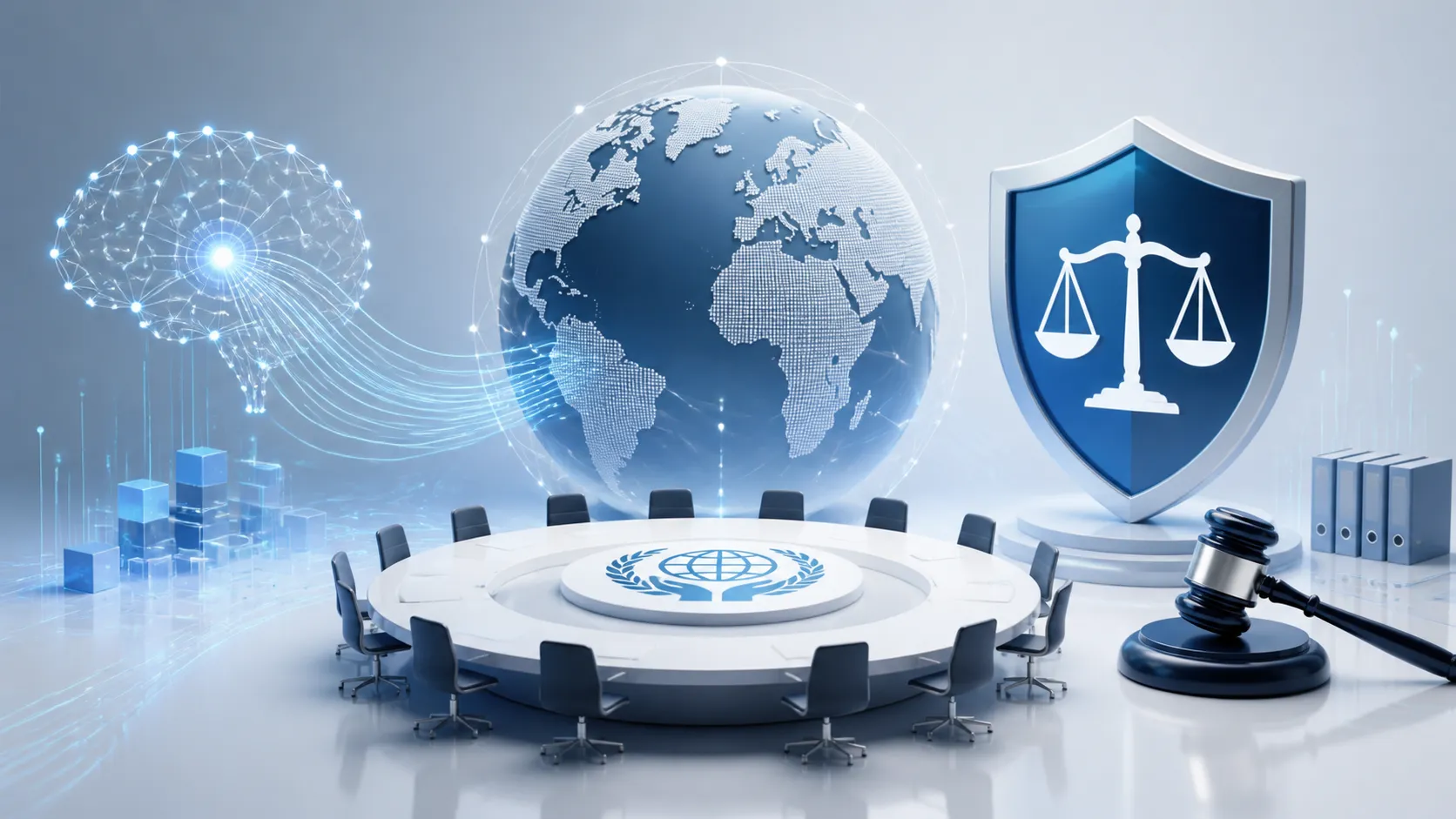
The panel, established last year alongside a UN General Assembly Global Dialogue on AI, marks the first global scientific body focused solely on AI. Its mandate is strictly technical: produce periodic reports on AI science without wading into policy or politics. That separation places the burden of negotiation on governments.
Why a Patchwork of National Rules Threatens Innovation and Equity
Ravindran, speaking in his personal capacity, argues that fragmented regulation could force AI companies to navigate conflicting requirements across borders. This might slow innovation and push firms to deploy services only in regulation-friendly countries. At the same time, data sovereignty demands could concentrate power among the few nations that already control AI infrastructure.
He warns that many Asian and African countries lack the resources to craft robust AI regulations. Without global minimum standards, they could be reduced to digital colonies. Ravindran compares AI’s transformative potential to the steam engine, insisting that denying its benefits to developing nations would be a disservice to humanity.
The Double-Edged Sword of International AI Controls
Global frameworks could also address extreme risks, such as AI-enabled biological or chemical weapons. But Ravindran cautions against letting such talks mirror nuclear non-proliferation treaties. He fears language that restricts AI development to a handful of approved countries or companies.
“I am worried about the dialogue on AI moving in that direction. Hopefully, it would not happen, but I think we have to be on constant vigil against it.”
That stance reflects broader tensions between safety and equitable access. The panel’s scientific assessments will feed into the Global Dialogue, where governments must reconcile these competing priorities. Ravindran’s role is to ensure the science remains clear, leaving political battles to diplomats.
India’s Trusted AI Commons: A One-Stop Shop for Responsible Tools
Separately, Ravindran helped design the Trusted AI Commons, a key outcome of February’s New Delhi AI Impact Summit. This open repository will house tools, benchmarks, datasets, and protocols for safe AI deployment. Hosted initially by India under its national AI mission, it aims to lower barriers for testing systems in sectors like agriculture.
The Commons will not build tools from scratch but aggregate existing resources from groups like IIT Madras’s Centre for Responsible AI and companies like Google. Its liberal licensing ensures broad accessibility. Ravindran sees it as a complementary piece of global governance, offering practical support rather than binding rules.
The panel’s first reports are expected to shape upcoming Global Dialogue sessions. How nations use that science to craft binding agreements remains uncertain. But for Ravindran, the stakes are clear: without inclusive governance, AI’s benefits may never reach those who need them most.