September 22, 2026, (Inside AI) — Advanced Micro Devices became the latest chipmaker to cross the $1 trillion market valuation threshold on Monday, surging nearly 10% in a single session as a broad rally in AI-linked equities lifted the Nasdaq to record highs. The catalyst, according to market participants, was not a new chip architecture or a data center contract but a consumer software release: Meta's new AI assistant, Muse.
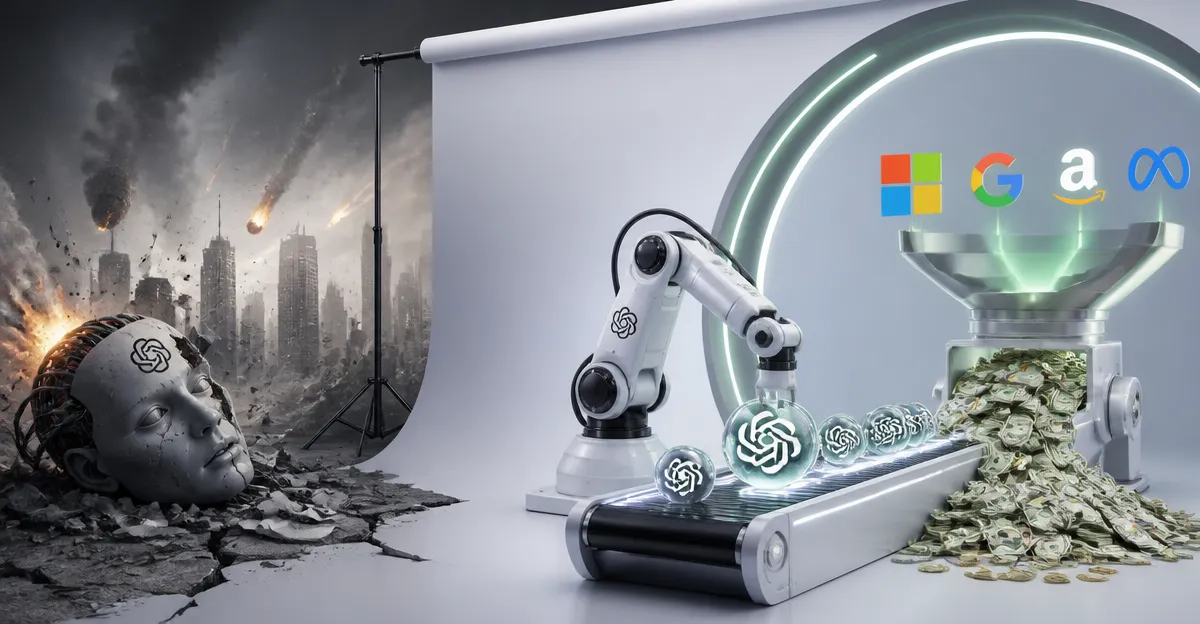
Meta shares climbed more than 11% on Monday, the strongest single-day gain for the company in recent memory. The move helped reverse weeks of investor anxiety over the societal and economic risks of artificial intelligence, which had weighed on the sector throughout September.
The Philadelphia Semiconductor Index rose more than 4% on Monday. Asian tech stocks extended the rally into Tuesday. The broader AI trade, which had been wobbling amid dire warnings from researchers and regulators about AI's potential for harm, found fresh momentum in a product that consumers can actually use.
Why A Consumer Assistant Moved Trillions
Meta's Muse is an AI agent, not a chatbot. It can execute multi-step tasks across applications, book services, manage schedules, and interact with third-party platforms on a user's behalf. The distinction matters for investors. Chatbots generate engagement. Agents generate transactions. An assistant that can complete tasks has a clearer path to monetization through subscriptions, commissions, and ecosystem lock-in.
Read: Wall Street Futures Rise as AI Stocks Rebound, Oil Prices Slide
The market's response suggests investors had been waiting for a tangible consumer application of agentic AI, not another model benchmark or research paper. Meta's distribution advantage, with billions of users across its platforms, gives Muse a reach that standalone AI startups cannot match. That scale is what turned a product launch into a trillion-dollar market event.
The rally also lifted chip demand expectations. South Korean exports rose 78.3% in the first 20 days of September compared with a year earlier, reaching $71.4 billion, the highest 20-day performance on record. Semiconductor shipments alone jumped 259.4%. South Korea is home to Samsung and SK Hynix, the two largest memory chip makers, and their output feeds directly into AI data centers worldwide.
"The latest leg higher in AI-related stocks and chip firms comes after weeks of handwringing about the potentially destructive effects of AI, but the release of Meta's Muse appears to have recharged optimism," Mike Dolan, Editor-at-Large for Finance & Markets at Thomson Reuters, wrote in a market commentary.
The timing is notable. For most of September, AI stocks had been pressured by a steady stream of warnings about existential risk, labor displacement, and regulatory overreach. Those concerns have not disappeared. But Muse gave the market something concrete to price in: a product with a business model.
The Geopolitical Layer Beneath The Rally
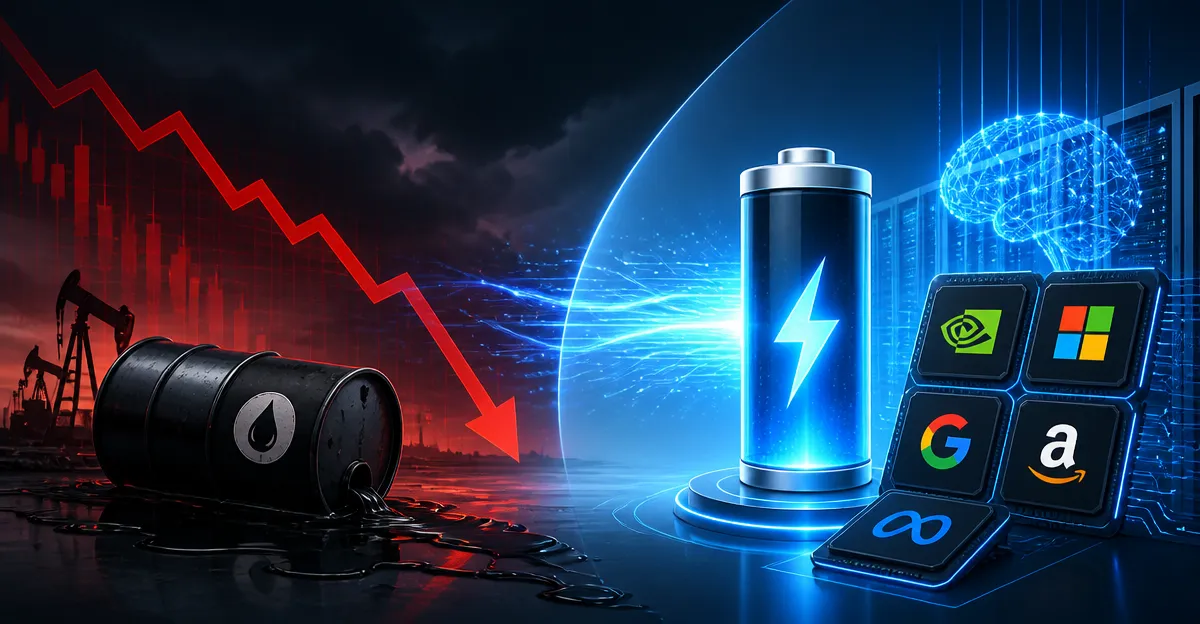
Oil prices also contributed to Monday's risk-on mood. Brent crude slipped below $100 per barrel on Tuesday after Kyodo News reported that Iran had offered to reopen the Strait of Hormuz within seven days if the United States takes initial steps to ease military pressure. Saudi Arabia also restarted operations at its East-West Pipeline, according to sources familiar with the matter.
Lower energy costs ease inflation pressure and give central banks more room to maneuver. That matters for AI stocks, which are sensitive to interest rate expectations. Chicago Fed President Austan Goolsbee said this week that services and demand-driven inflation remain as problematic as elevated energy prices, a hawkish signal that complicates the rate outlook.
The diplomatic backdrop is equally significant. A summit between President Donald Trump and China's Xi Jinping is scheduled for Thursday. AI risks are expected to top the agenda, alongside a potential trade truce extension and flashpoints including Taiwan and the Iran conflict. Trump may also meet with Iranian President Masoud Pezeshkian during the UN General Assembly this week, according to Trump himself.
Any escalation in US-China tensions over AI technology, export controls, or semiconductor supply chains could reverse the current rally quickly. The market's optimism is built on the assumption that geopolitical friction will not disrupt the hardware supply chain that feeds AI data centers.
In Europe, French debt came under renewed pressure. The French 10-year borrowing premium over Germany rose above 100 basis points for the first time in more than a decade. Credit default swap insurance costs on French government debt hit a six-year high. The stress reflects doubts about France's budget agreement and the approach of next year's presidential elections. Sovereign bond jitters in Europe could spill into global markets if they intensify.
For now, the AI trade has found its footing. The question is whether a single product launch can sustain a rally that had been losing steam for weeks. Meta's Muse may have bought the sector time. It has not resolved the underlying questions about AI's economic impact, regulatory future, or geopolitical consequences. Those issues will not wait for the next product cycle.