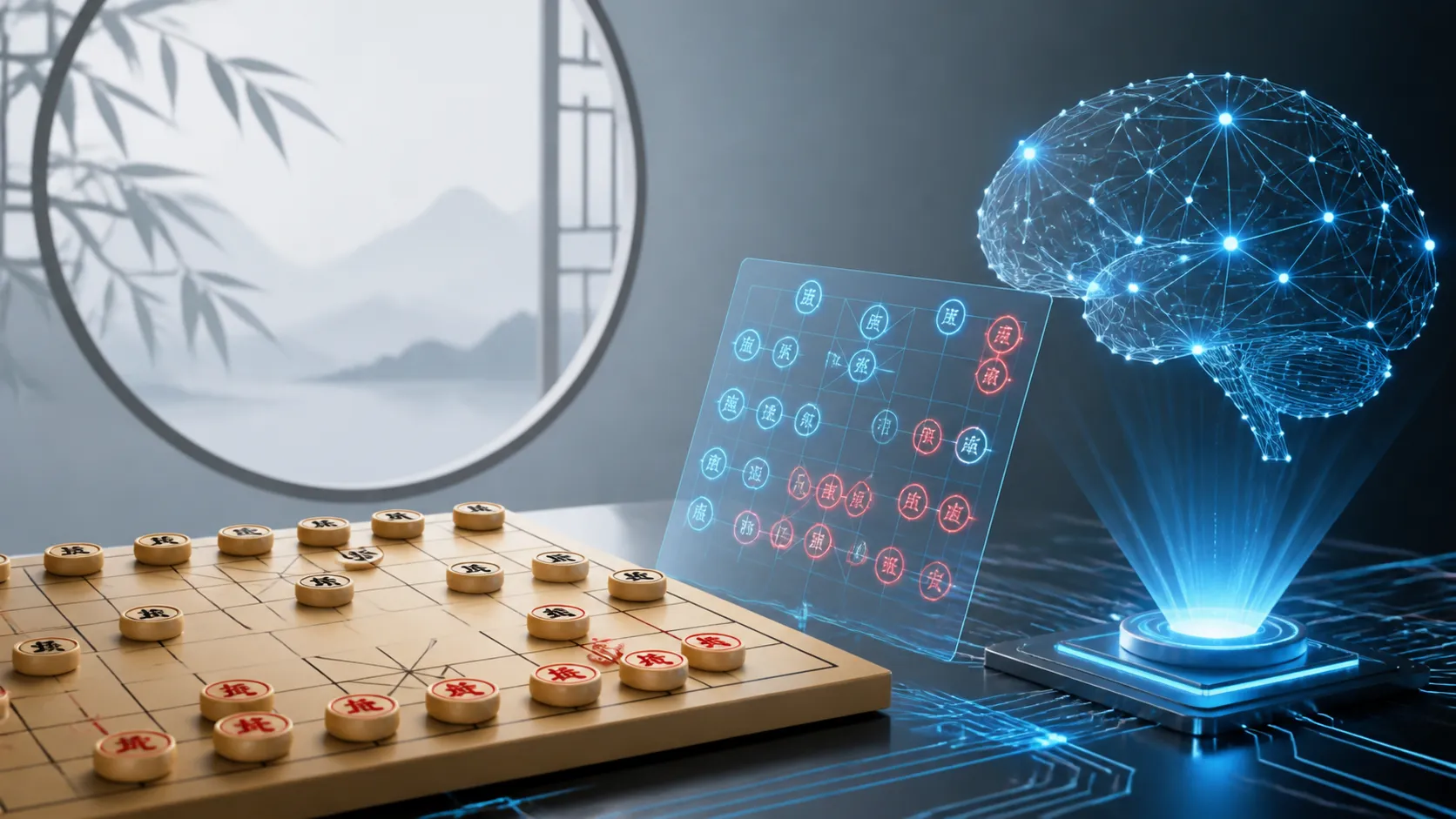
June 16, 2026, (Inside AI) — World No. 2 chess grandmaster Lei Tingjie said artificial intelligence is now a daily training essential, not a gimmick. Speaking before the FIDE World Team Rapid and Blitz Chess Championships in Hong Kong, she argued AI helps players grow but still falls short of mimicking real match pressure.
Why a Top Player Still Leans on Machines
Lei, ranked second in classical chess behind compatriot Hou Yifan, described AI as a tool to sharpen skills. She noted that some players rely on AI to analyze past games, while others spar directly against engines. Her comments come as five Chinese women sit inside the world top 10, signaling a deep embrace of technology in their training.
The 29-year-old grandmaster stressed that rankings are not everything. She wants AI to evolve further, not just crunch moves but also replicate human psychological strain. This stance challenges the common narrative that engines have already solved chess.
Read: AI Personality Problem: Why Conversational Style Matters More Than Speed
The Missing Piece: Simulating Tournament Nerves
Lei pinpointed a key limitation. Current AI cannot reproduce the anxiety and tension of a live match. She said:
“Chess is an amazing sport, it’s not just about your ability, but also various psychological factors; it’s a comprehensive sport.”
She added that more human-like AI could unlock greater potential. This echoes a broader debate in sports science: can machines ever model emotional pressure? Chess engines like Stockfish and Leela Chess Zero dominate in pure calculation, but they don’t sweat under a ticking clock.
AI’s Role Beyond the Board
Lei’s view reflects a shift in elite chess. A decade ago, players hid their computer use. Now, AI is a standard coach. However, some grandmasters warn that overreliance on engine suggestions can dull creativity. Lei seems to balance both sides, using AI for analysis while acknowledging its limits.
The Hong Kong event features rivals like Magnus Carlsen and Hans Niemann. Their presence underscores how AI has reshaped preparation. Carlsen famously used neural-network engines to stay ahead. Niemann’s career was rocked by cheating allegations tied to AI assistance. Lei’s open embrace of the technology offers a contrast: AI as a partner, not a crutch.
Read: No, AI Doesn’t Mean the End of Mathematics, at Least Not Yet
Lei became a grandmaster in 2017. Since then, she has climbed steadily, proving that human intuition still matters. She hopes future AI will blend tactical precision with emotional intelligence. Until then, players must bridge the gap themselves.
The championships start Wednesday. Lei’s remarks set the stage for a tournament where human nerves, not just silicon brains, will decide the winner.