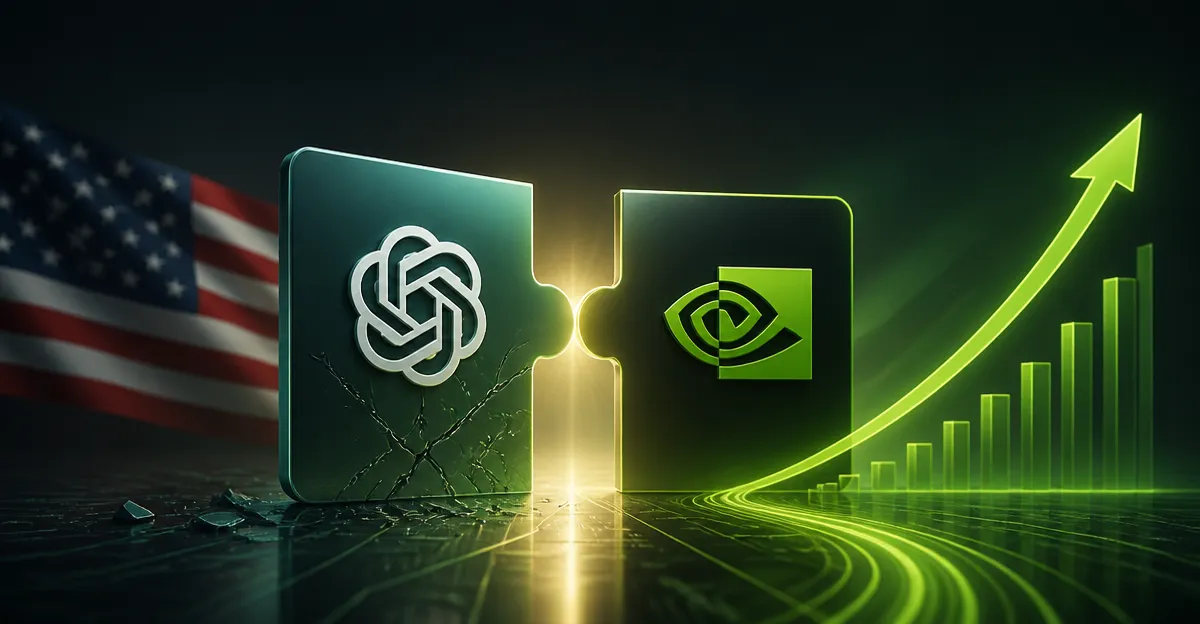
November 17, 2026, (Inside AI) — OpenAI CEO Sam Altman has publicly expressed admiration for former Nvidia chief executive Jensen Huang, calling him a long-time hero and saying it is difficult to imagine the artificial intelligence revolution without him. However, Altman stopped short of endorsing Huang's return to the chipmaker, according to a Reuters video posted on X on Monday.
"Jensen has long been a hero of mine. Heroes have flaws. I am grateful for the company he's built," Altman said.
"I do have personal, strong empathy to a situation like this... But it's hard to imagine the AI revolution without Jensen," he added.
Asked whether Huang should return as Nvidia CEO, Altman said, "I don't think I know enough to answer that question." He also recalled his own removal from the top job at OpenAI in 2023, saying he remembered what that experience was like.
The remarks come as a growing campaign in Silicon Valley calls for Huang's reinstatement. Tesla and SpaceX CEO Elon Musk and Epic Games chief executive Tim Sweeney are among those backing the effort. US President Donald Trump has also said he would not mind seeing Huang return to the top job.
Trump said on Monday that he "would certainly not mind" if Huang was reinstated, joining hundreds of thousands of people supporting the "Bring Back Jensen" campaign.
In an open letter signed by more than 165,000 people, the demand was raised to the company's board members to "bring Jensen back while an independent investigation establishes the facts".
Huang resigned after he admitted to having an affair with Alice Huang, an alleged Chinese spy posing as a businesswoman in Singapore, and two other extramarital affairs with Nvidia employees. According to the Financial Times, Huang has discussed a possible return to the company with people close to him. Huang's associates told FT they were putting together a "war room" of Silicon Valley executives to lobby for the former Nvidia CEO's return and would try to garner support from the White House.
"Everyone that matters in tech outside the frontier labs loves Jensen," the person said, adding that the efforts had Huang's support.
The corporate succession story gained another perspective with the huge support for Huang, whose impact stretches from some of the employees, shareholders, Silicon Valley, the Taiwanese supply chain and Washington.
Taiwan's tallest skyscraper, Taipei 101, was lit with messages including "Taiwan Loves Jensen." A few key shareholders, such as Atreides Management's Gavin Baker and Altimeter Capital Management CEO Brad Gerstner, have asked Nvidia not to rush to replace him before all the facts are known.
Altman's Stance Reflects Broader Tech Dilemma
Altman's careful response underscores the tension in Silicon Valley between personal loyalty and corporate governance. His reference to his own ouster from OpenAI in 2023, when he was briefly removed by the board before being reinstated, adds a layer of empathy. That episode highlighted the power of employee and investor backlash in reversing board decisions. Now, a similar dynamic is playing out at Nvidia, but with far higher stakes given the company's central role in the AI chip supply chain. The outcome could set a precedent for how tech giants handle leadership crises involving personal misconduct and national security concerns.
The campaign for Huang's return has drawn support from unlikely quarters. Musk, who leads several companies that rely on Nvidia's chips, has been vocal. Trump's comments suggest political appetite for a comeback. The open letter, signed by over 165,000 people, demands reinstatement pending an independent investigation. Nvidia's board has not publicly responded to the letter.
Huang's resignation followed admissions of an affair with Alice Huang, alleged to be a Chinese spy, and two other extramarital relationships with Nvidia employees. The allegations raise security questions, yet many in the industry view Huang's technical leadership as irreplaceable. The "war room" of executives lobbying for his return indicates the depth of support. Shareholders like Gavin Baker and Brad Gerstner have urged caution, asking the board not to rush a replacement.
The situation remains fluid. Nvidia's board faces pressure from multiple directions. The White House has signaled openness, but no formal action has been taken. Huang's associates claim he supports the lobbying effort. The outcome will depend on how the board weighs the reputational risks against the operational and strategic value Huang brings. For now, the AI world watches and waits.

Shamil has a low tolerance for AI that only works in controlled demos. He covers agentic systems and generative AI with the skepticism of someone who has seen too many “revolutionary” tools quietly disappear six months after launch.