November 17, 2026, (Inside AI) — The sudden departure of Nvidia CEO Jensen Huang has triggered a sharp repricing of risk across the AI infrastructure sector, with bond investors fleeing the debt of smaller, highly leveraged cloud providers known as "neoclouds." The turmoil marks a definitive end to the era of easy money that fueled the industry's rapid expansion, exposing the fragile financing structures underpinning the AI boom.
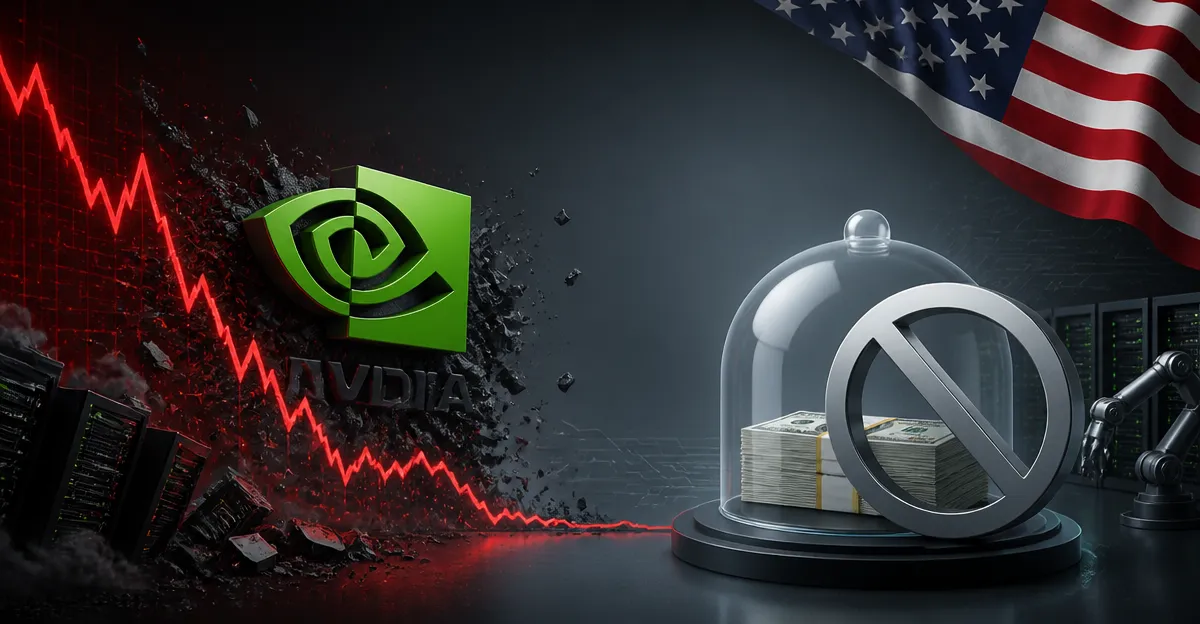
The immediate casualties are firms like CoreWeave and Nebius, which rent out GPU computing capacity to AI developers. These companies rely heavily on external financing to acquire expensive chips and build data centers. Their bonds have plummeted in value as investors question whether Huang's successor will maintain the aggressive vendor financing and guarantees that Nvidia previously provided. CoreWeave bonds issued in June at a 9.625% yield now trade at nearly 15%, while Nebius convertibles have dropped to 70 cents on the dollar. CoreWeave shares have lost 45% since the Nasdaq's October 6 record, and Nebius stock is down 57%.
The core question is whether Nvidia's support for its ecosystem will survive the leadership change. Under Huang, Nvidia acted as a buyer of last resort for CoreWeave's unsold cloud capacity through April 2032 under a $6.3 billion order and invested $2 billion in Nebius for an 8.3% stake. Investors now fear a more conservative balance sheet approach.
"It's fair to say that anyone who takes over is going to have a lower risk threshold than Jensen when it comes to Nvidia's balance sheet," said Loren Moran, fixed income portfolio manager at Wellington Management. "There may just be a lot less credit availability toward weaker players."
This shift has immediate implications for the broader AI financing environment. A more cautious Nvidia could widen the disparity between investment-grade borrowers and lower-rated companies dependent on private credit and high-yield debt. Hyperscalers like Alphabet and Microsoft are best positioned to weather the change, given their strong balance sheets and internal cash flow. Smaller AI borrowers, however, face materially higher funding costs.
"Nvidia's contracts and existing guarantees should not change with Jensen Huang's departure," said Tony Trzcinka, investment-grade portfolio manager at Impax Asset Management. "It's all about whether Jensen's successor would want to be as adventurous in going into all these different arrangements."
The funding squeeze is already visible in the high-yield market. According to Goldman Sachs research, the pace of AI deals has slowed significantly, with no new issuance in the past month despite expectations of roughly $60 billion this fall. This slowdown suggests the easy financing conditions that fueled AI-linked issuance are beginning to fade.
"The uncertainty for the overall space means greater risk premiums expected by investors," said Danny Zaid, portfolio manager at TwentyFour Asset Management. "Expect dispersion to increase as investors evaluate credits on a case-by-case basis."
For Nvidia itself, some investors argue a more conservative approach could be credit-positive. Wellington's Moran noted concerns about the company's huge financial commitments across the AI space and believes a reduced appetite for risk could "clip some of that tail." However, the ripple effects on the neocloud sector are already severe, with bond investors demanding greater compensation to finance data center projects from lower-rated AI borrowers.
The sudden leadership change at Nvidia has exposed a structural vulnerability in the AI supply chain: the reliance of smaller infrastructure providers on the balance sheet and risk appetite of a single company. As the market reprices risk, the era of abundant, cheap capital for AI ventures appears to be closing, forcing a reckoning for firms that built their growth on Nvidia's financial backing.

Shamil has a low tolerance for AI that only works in controlled demos. He covers agentic systems and generative AI with the skepticism of someone who has seen too many “revolutionary” tools quietly disappear six months after launch.