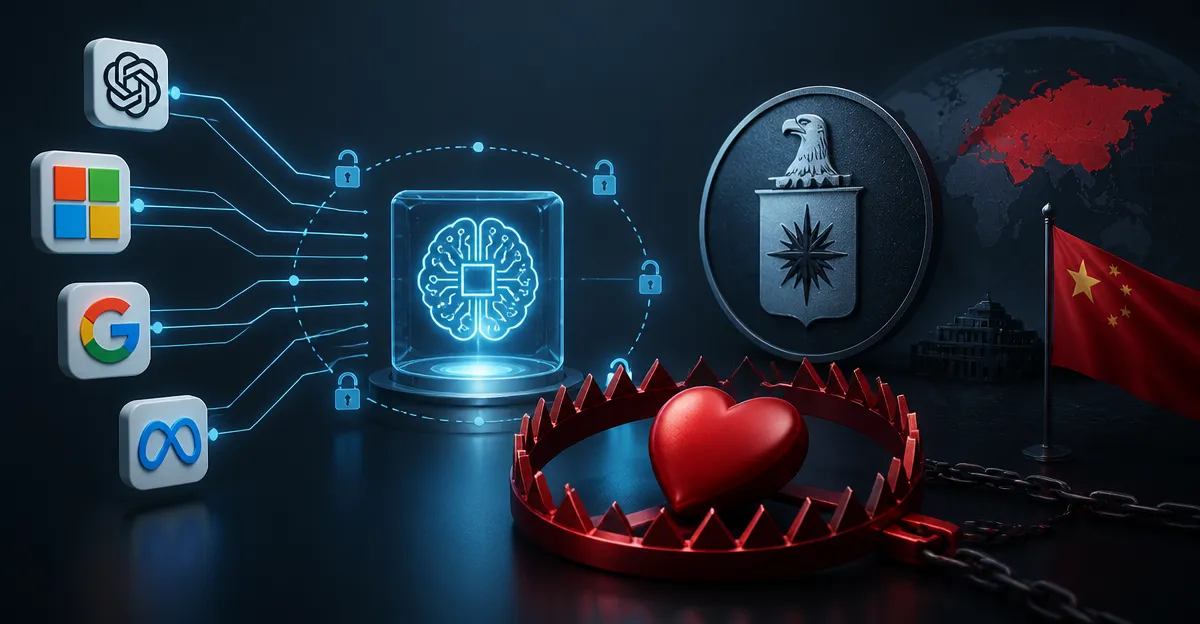
November 22, 2026, (Inside AI) — The AI industry has a counterintelligence problem that no firewall can fix. Former CIA officer Aaron Brown and cybersecurity strategist Perry Carpenter warn that AI founders and employees are dangerously unprepared for honey trap espionage, where spies use personal relationships to extract secrets. The recent resignation of former NVIDIA CEO Jensen Huang after allegations of an affair with a Singapore-based executive accused of being a Chinese spy has spotlighted the threat. But experts say the vulnerability extends far beyond the C-suite.
Honey traps, long a tool of espionage against politicians and military officers, now target the private sector because that is where the most valuable intelligence resides. AI companies hold product roadmaps, export control decisions, customer lists, and access protocols for cutting-edge technology. Brown, now founder of software company Lumbra, points out that a spy who befriends an AI CEO gains a shortcut to all of it. “Nobody briefs founders on counterintelligence,” he said.
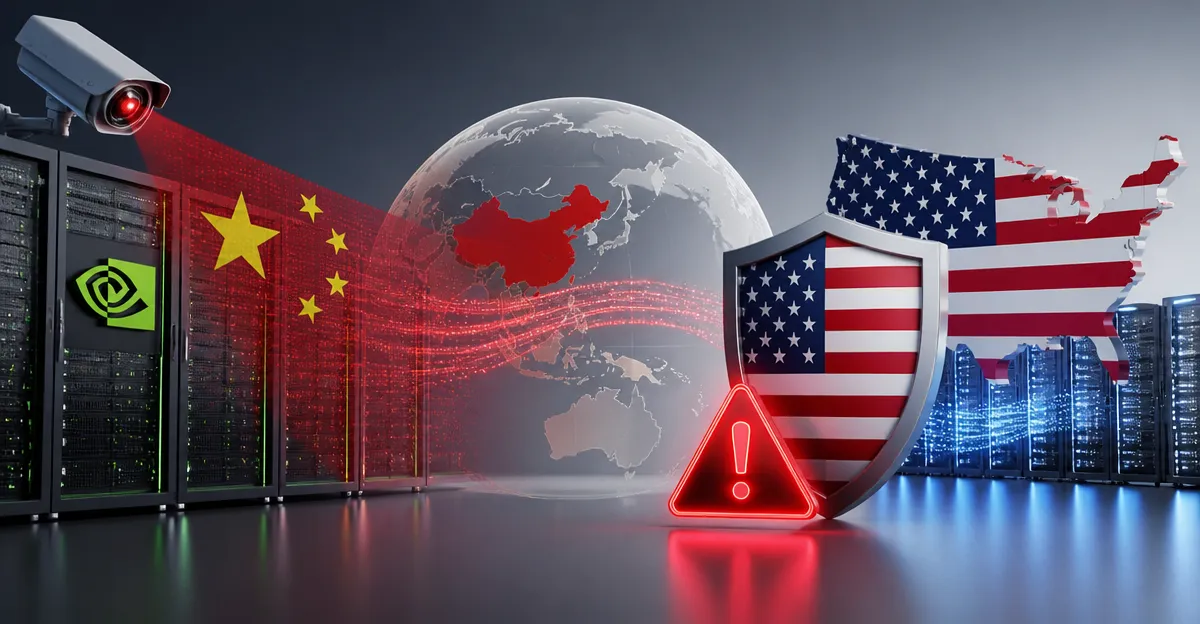
The Huang case illustrates the stakes. Alice Huang, the executive in question, allegedly facilitated the smuggling of billions of dollars in restricted NVIDIA chips into China. Huang resigned, the board launched an independent investigation, and the FBI opened a probe into whether foreign intelligence targeted him. OpenAI has reportedly begun warning employees about outsiders attempting to build relationships that lead to leaks. The approach rarely resembles a romance. “Friendship is actually the oldest honey trap scheme around,” Brown said. Attackers pose as investors, customers, recruiters, or consultants, making requests that seem legitimate. “They need you to feel comfortable talking,” he added. “They last longer because nobody's looking.”
AI Supercharges The Spy Playbook
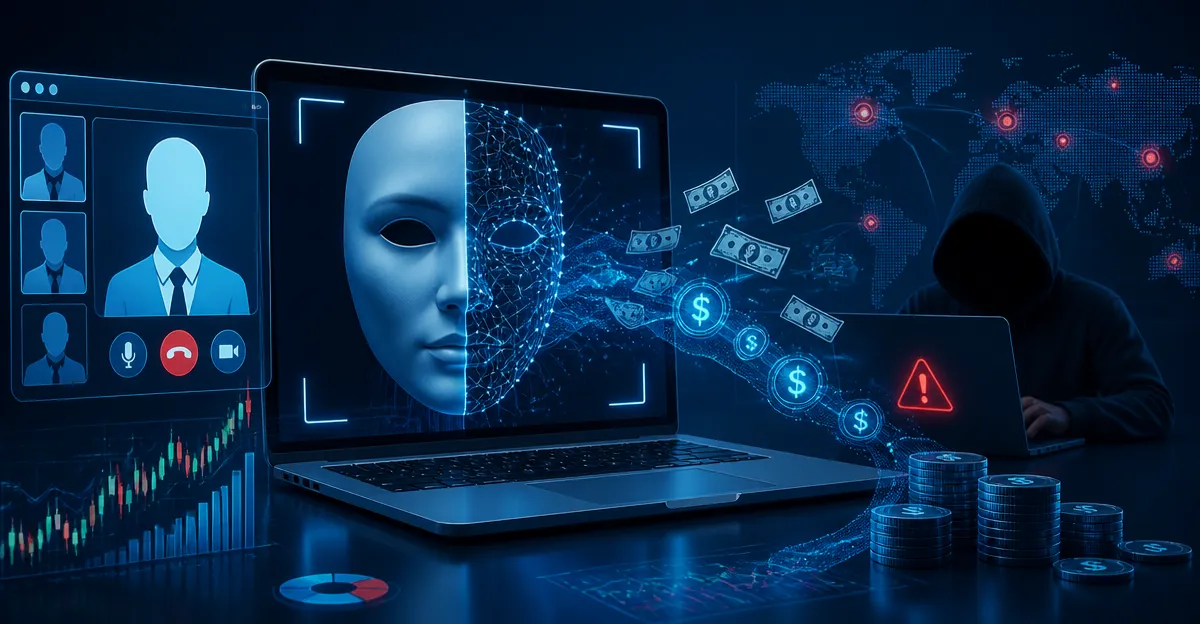
Artificial intelligence has made honey trapping cheaper and faster. Planning a scheme once required months of research and persona crafting. Now attackers use AI to research targets, generate fake social profiles, build fictional backstories, and produce deepfake voice calls. “AI can help sustain an entire fictional backstory,” said Carpenter, chief deception strategist at KnowBe4. “The technology helps set the stage, but the deception ultimately plays out through human relationships.”
Read: AI Voice Scam Costs Intesa Sanpaolo €95 Million
This convergence of AI and espionage creates a new kind of risk for companies that have become de facto national security assets. Unlike defense contractors, AI firms operate without mandatory security clearances or counterintelligence training. The culture of openness and rapid hiring leaves gaps that adversaries can exploit. As Brown notes, the industry became a national security industry faster than its culture caught up. That lag is now a vulnerability.
Once a target realizes they have been compromised, the threat escalates. Attackers gain leverage for blackmail, turning a single lapse into ongoing access. Both experts offered practical advice. Brown suggested a simple gut check: “Would this person still be around if you lost your job tomorrow?” Carpenter recommended watching for coincidental encounters that happen too often, persistent curiosity about work details, requests for secrecy about meetings, and pressure for introductions. The biggest red flag is when someone's requests gradually grow larger, pushing past boundaries the target would normally enforce.
Inside companies, Carpenter urged leaders to “eliminate executive exceptionalism,” the idea that rules around security do not apply to people in power. Brown added that company culture determines whether employees feel comfortable questioning unusual behavior from leadership. “One of the most dangerous security cultures is one where nobody feels comfortable questioning the CEO,” Carpenter said. Brown concluded: “The AI industry became a national security industry faster than its culture caught up. Part of being honey trapped is not knowing. It doesn't feel like manipulation. It feels genuine, even lucky.”
Read: Chinese Hackers Impersonate Anthropic Employee to Get AI Secrets
The warnings come as AI companies face increasing scrutiny over export controls and intellectual property theft. While no industry-wide counterintelligence standard exists, some firms have begun tightening travel policies and vetting external relationships. The FBI has not commented on the Huang probe. For now, the burden falls on individuals to recognize that the oldest exploit in espionage remains the most effective, and AI has only made it easier to deploy.

Tobias is less interested in what a robot or a prompt can do today than in what it means for tomorrow. He writes about prompt engineering and robotics for readers who want context, not just specs.