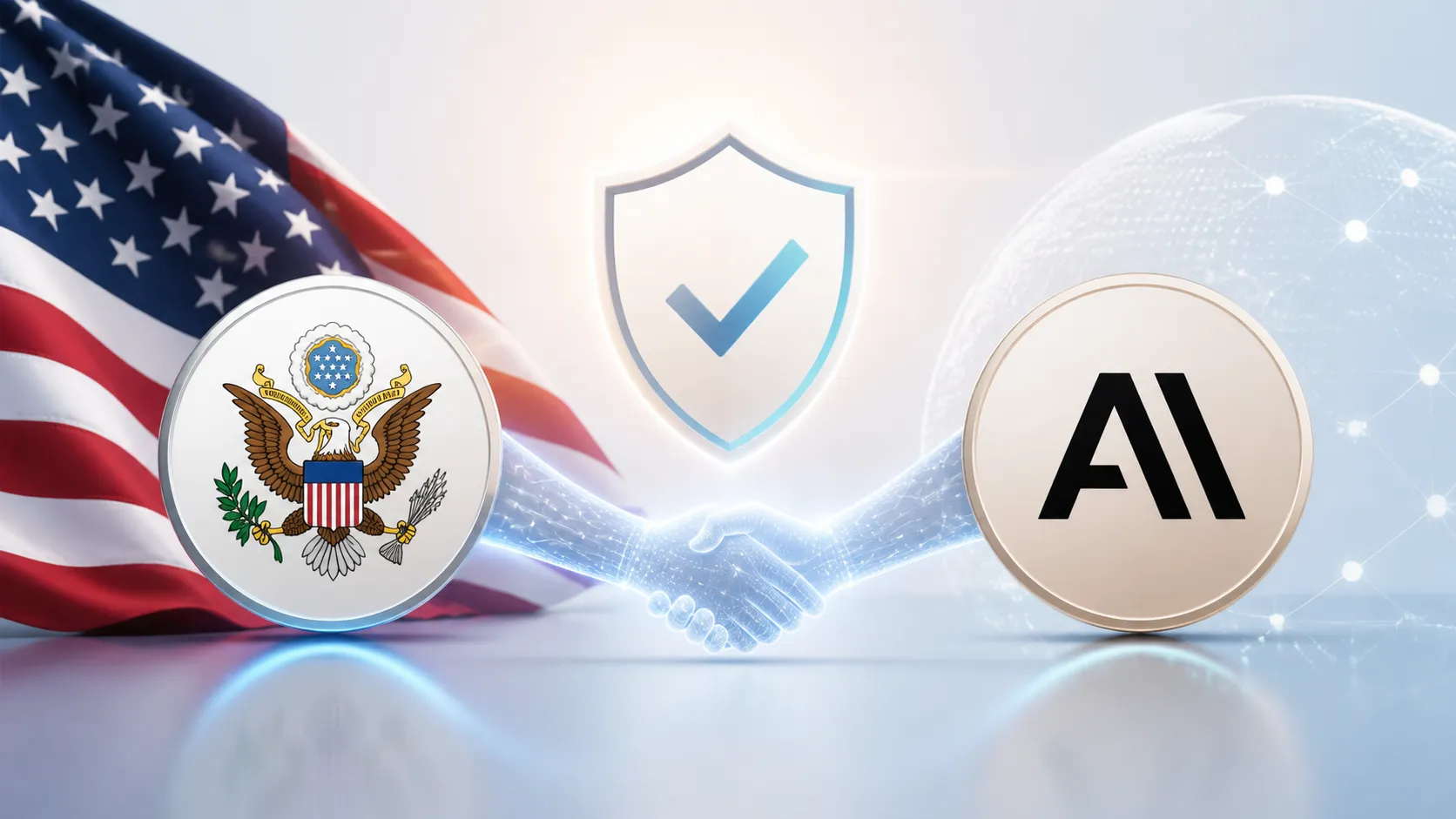
June 21, 2026, (Inside AI) — President Donald Trump stated he no longer considers Anthropic a national security threat, reversing concerns from just a week ago. The shift follows swift compliance by the AI firm with an export control directive.
The Rapid Reversal on Anthropic’s Threat Status
In an interview with “The Axios Show” published Friday, Trump addressed the evolving situation. When asked if he viewed Anthropic or CEO Dario Amodei as a threat, he replied:
“Well, not now, but a week ago, maybe.”
The president’s remarks come after a tense week where Anthropic disabled global access to its most advanced models, Fable 5 and Mythos 5, following a White House order to block foreign nationals.
Behind the Export Control Clash
The dispute centered on foreign access to cutting-edge AI. Senior Anthropic technical staff were scheduled to meet with administration officials earlier this week to discuss the matter. Trump praised Amodei’s response, telling Axios the CEO acted “very quickly” and “responsibly.”
The timing coincided with a G7 summit in France, where Trump and other leaders met with tech executives, including Amodei. The meeting likely provided a diplomatic off-ramp for the escalating tensions.
The Defense Production Act Looms
Despite the thaw, Trump did not rule out invoking emergency powers under the Defense Production Act (DPA) against Anthropic. The DPA allows the president to compel companies to prioritize national security directives. Trump stated:
“I have the power to use a lot of things. But I’m not sure I have to do that.”
Legal experts note the DPA has rarely been used against tech firms, making any application a significant escalation. The ambiguity keeps pressure on Anthropic to maintain compliance.
Industry Context and Unanswered Questions
This episode mirrors broader government scrutiny of AI exports. The Biden administration previously tightened chip controls, but Trump’s direct intervention with a model’s access is unprecedented. It raises questions about the extent of executive authority over AI deployment.
Critics argue the rapid flip-flop undermines regulatory predictability. Supporters see it as a pragmatic response to a company’s cooperation. Missing from the narrative is Anthropic’s internal risk assessment and whether other AI firms face similar ultimatums.
The situation highlights the fragile balance between innovation and national security. As AI capabilities grow, so will the geopolitical tug-of-war over who can access them.