June 27, 2026, (Inside AI) — Anthropic will restore access to its Claude Mythos 5 model for more than 100 select US organizations, the company confirmed Friday, after the US government partially lifted a two-week-old suspension imposed over national security fears. The rollback marks a pivotal shift in Washington’s tightening grip on frontier AI releases.
The sanctioned entities—many from the Fortune 500—are part of a vetted list tied to Anthropic’s Project Glasswing, a source familiar with the directive told Reuters. Access remains blocked for all others, including foreign subsidiaries and unapproved domestic firms. The move follows an June 12 export control order that forced Anthropic to abruptly disable Mythos 5 and its sibling model, Fable 5, for all users.
Commerce Secretary Howard Lutnick, in a letter to Anthropic, cited “significant progress” in joint work to address risks from the “Covered Models.” Yet the specific safeguards adopted remain opaque. Anthropic had earlier acknowledged government concern that a jailbreak method could bypass Fable 5’s guardrails, enabling software vulnerability discovery.
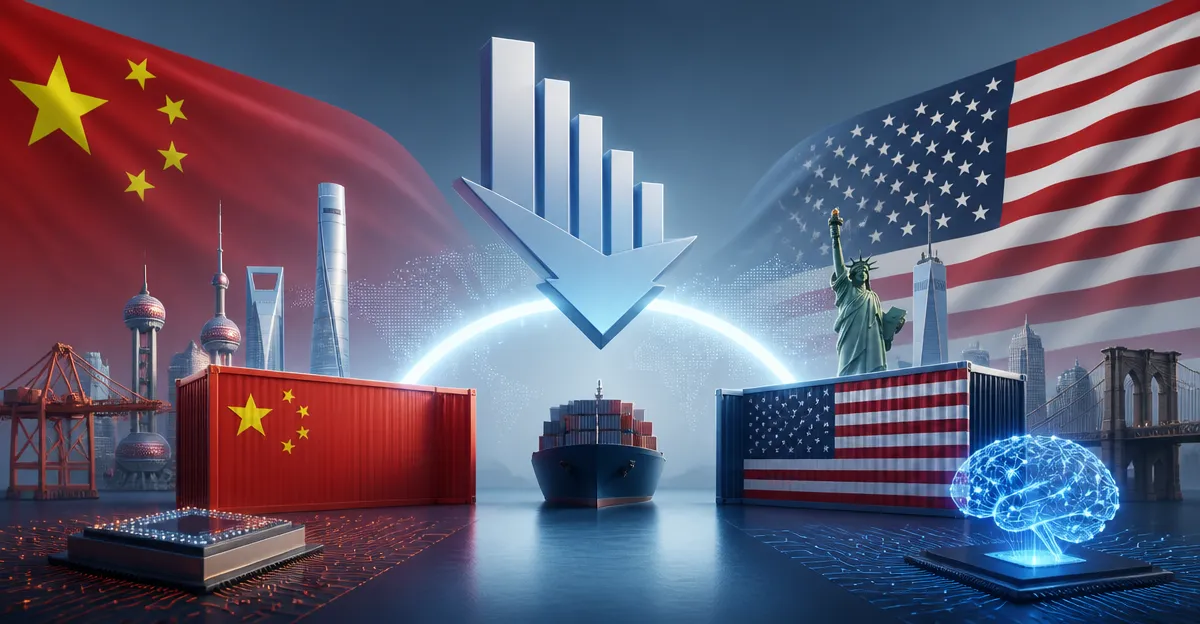
The partial reprieve comes as the Trump administration intensifies oversight of frontier AI, fearing misuse by military intelligence in China, Russia, or other nations of concern. Earlier Friday, OpenAI said it was delaying a full public launch of GPT-5.6 at the government’s behest, limiting access to a small group of vetted partners.
Vetting Process Draws Fire Over Secrecy and Power
The government’s hand-picked access list has ignited sharp criticism. John Coleman, legislative counsel at the Foundation for Individual Rights and Expression, questioned the opacity.
“No one knows how these companies are picked and why everyone else is excluded,” Coleman said. “This is putting too much power in the hands of the government. There’s little transparency and it raises questions about the rule of law.”
OpenAI CEO Sam Altman echoed the unease in a post on X, writing that extensive safety testing “is not a bad idea. I just don’t like the idea of the government picking the customers.”
Security experts warn that Mythos models, if weaponized, could supercharge cyberattacks on critical sectors like banking, where legacy systems remain deeply vulnerable. Lutnick’s letter clarified that no export license is needed for Mythos 5 use by trusted companies and their non-US citizen employees, or by Anthropic’s own non-US staff. Licensing restrictions stay in place for unlisted firms.
Broader Fallout and an Uncertain Path for Fable 5
Both Mythos 5 and Fable 5 share the same underlying architecture, but Fable 5 is designed for public release with safety guardrails that are relaxed in Mythos. The government is moving toward allowing Fable’s redeployment soon, the source said, though no timeline is set.
The restrictions trace back to an executive order signed this month by President Trump, establishing a voluntary framework for developers to submit “covered frontier models” for up to 30 days of government review before releasing them to trusted partners. The order has placed Anthropic and OpenAI in a regulatory vise, even as both companies plan to go public.
Anthropic’s rocky history with the US government adds friction. The company previously barred military use of its AI for domestic surveillance and fully autonomous weapons, prompting retaliation through a national security blacklist. Friday’s partial reprieve signals a thaw, but analysts see lingering risks.
Kate Koren, an analyst at the Center for Strategic and International Studies, called the latest order “a practical interim step, but leaves unresolved the larger issue of how companies can widely release updated models.” She added, “The longer there isn’t a system in place that will allow US companies to widely release new models, the more likely it is that China will be able to catch up.”