July 30, 2026, (Inside AI) — A quiet revolution is unfolding in Hyderabad, where the Ramanaidu Film School is embedding artificial intelligence into every fiber of its curriculum. Veteran producer Daggubati Suresh Babu, who leads the institution and serves as CEO of Suresh Productions, is betting that the next wave of cinematic storytellers will be defined not by their resistance to AI, but by their mastery of it.
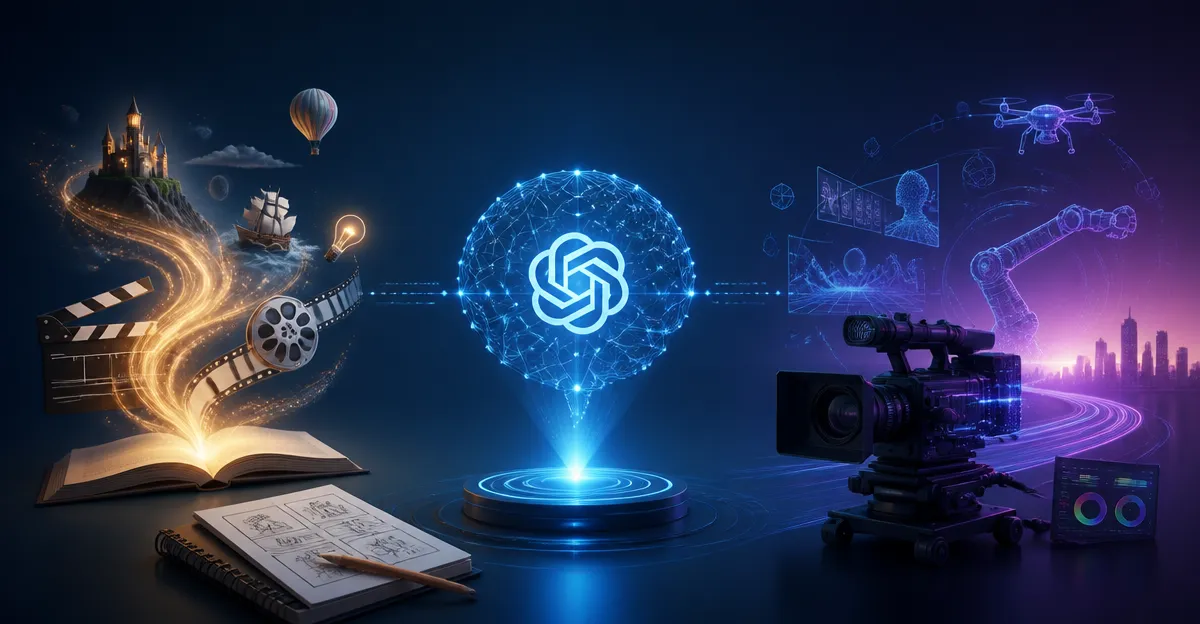
The school’s newly designed courses move beyond traditional film education, integrating AI across pre-production, production, and post-production. During pre-production, students learn to use AI for research, concept art, storyboarding, and shot planning. In production, the focus shifts to AI-assisted directing, virtual production, and real-time visualization. Post-production modules cover AI-enhanced sound design, music generation, and visual effects workflows.
This pedagogical shift comes as India’s film education market surges, with estimates pegging its value between Rs 600 crore and over Rs 1,000 crore. Institutions like the Film and Television Institute of India (FTII) in Pune and Annapurna College of Film and Media in Hyderabad have long anchored the space, but few private players carry the brand legacy of Ramanaidu. Suresh Babu, son of the legendary D. Ramanaidu, sees course design as critical for a future that belongs to those who know AI and can deliver compelling stories with ambitious cinematic visions.
The initiative arrives at a moment when AI’s role in filmmaking is both celebrated and scrutinized. Tools like Runway ML and Adobe Firefly already enable real-time style transfer and generative fill, while OpenAI’s Sora has demonstrated text-to-video capabilities that blur the line between human and machine authorship.
Read: Designers Should Not Fear Being Replaced by AI, Industry Leaders Say
Where AI Ends and the Auteur Begins
Despite the hype, the school’s philosophy resists the notion of AI as a replacement for human creativity. The team at Ramanaidu Film School puts it bluntly:
“The future belongs to storytellers who know how to combine human emotion, cinematic language, and artificial intelligence to create meaningful, engaging films for the next generation.”
That sentiment echoes a broader industry anxiety. The tension is palpable: AI can democratize high-end VFX and accelerate rote tasks, but it cannot replicate the lived experience that fuels authentic storytelling.
Industry veterans note that the Telugu film world, where Suresh Babu is a towering figure, has historically been quick to adopt new technology. From the early embrace of digital intermediate to the current explosion of virtual production stages, the region’s appetite for innovation is voracious. The Ramanaidu school’s AI focus may simply be the next logical step in that tradition.
The $100 Million Question: Who Pays for AI Cinema?
Yet the economic model remains unproven. While AI can slash costs on concept art and location scouting, the upfront investment in training and infrastructure is steep. The school’s courses are designed to nurture talent at every stage, from developing original ideas to crafting immersive worlds, but graduates will enter a market where studios are still experimenting with AI’s ROI. A recent McKinsey analysis estimated that generative AI could add $80 billion to the media and entertainment industry by 2030, but most of that value hinges on productivity gains rather than creative breakthroughs.
Read: Cory Doctorow’s New Book Exposes Who Really Benefits from AI
For now, the Ramanaidu experiment serves as a litmus test. If its graduates can consistently produce work that marries technical prowess with emotional depth, they may well define the next era of Indian cinema. If not, the school’s AI-infused curriculum risks becoming a footnote in the long history of technological overreach in the arts.