August 15, 2026, (Inside AI) — A brutal 50-day sell-off in Chinese tech stocks has delivered a harsh initiation for the country’s newest portfolio managers, with some first-time fund heads watching their debut products lose more than a third of their value almost immediately.
Yuan Zeqiang, a first-time manager at Caitong Fund Management, saw his two inaugural portfolios plunge 36 per cent and 33 per cent respectively between his June 11 appointment and July 30, according to market data. The drawdowns came after he inherited combined assets of 7.28 billion yuan (US$1.08 billion) at the end of the second quarter, an unusually large mandate for a rookie manager.
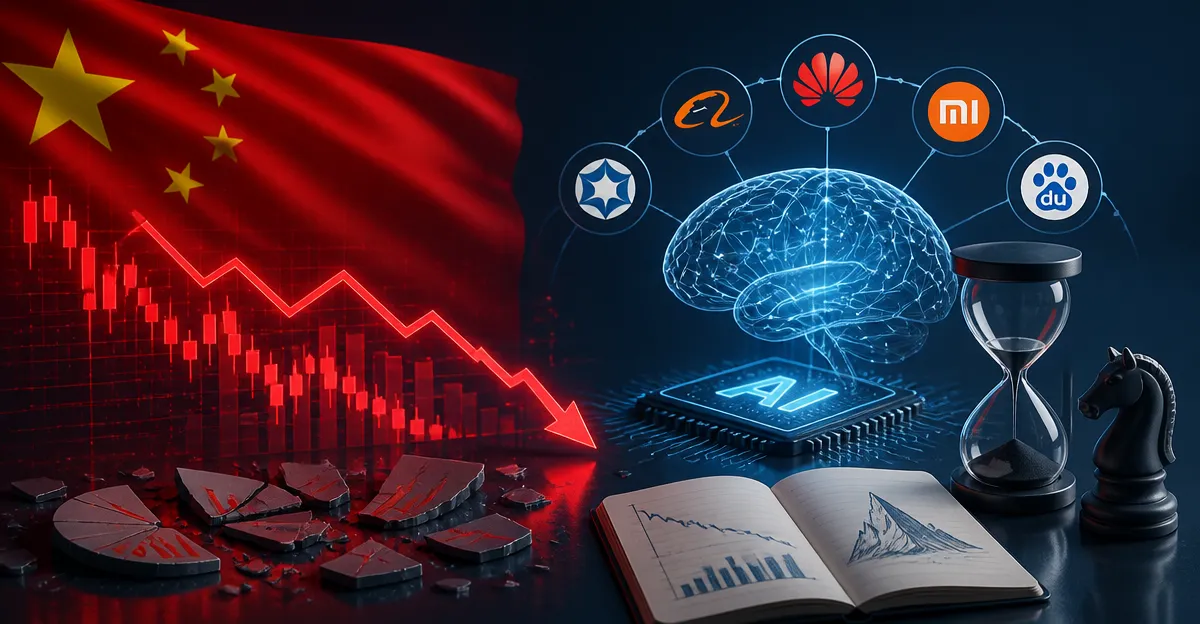
The losses were driven by heavy exposure to tech stocks, which retreated sharply after posting strong gains earlier in the year. The sell-off was part of a broader global rout in AI-related equities, with the shockwaves felt as far away as the United States, where Leopold Aschenbrenner’s hedge fund saw assets wiped out by more than two-thirds in a single month.
Yuan’s experience is not isolated. Across China’s fiercely competitive fund management industry, young managers are being thrust into the spotlight just as client scrutiny intensifies and tech bets sour. The episode underscores the risks of assigning massive mandates to untested talent during periods of market euphoria.
Rookie Managers Face a Brutal Stress Test
The timing of Yuan’s appointment placed him directly in the path of a sharp correction. He had spent three and a half years in sell-side research before taking on the two funds, a common career path in China’s asset management sector. But the scale of the assets he inherited, combined with the concentrated tech exposure, left little room for error.
Market participants note that Chinese tech stocks had rallied strongly in the first half of the year, fueled by enthusiasm for artificial intelligence and semiconductor companies. When sentiment turned, the reversal was swift and punishing. For managers with limited track records, the drawdowns raise immediate questions about risk management and portfolio construction.
The pressure is compounded by China’s retail-dominated investor base, where clients often react emotionally to short-term losses. Fund managers who underperform in their first few months can face redemptions, reputational damage, and career setbacks that are difficult to overcome.
Global AI Sell-Off Exposes Concentration Risks
The losses in China mirrored a global retreat from AI-related assets. In the United States, Leopold Aschenbrenner’s hedge fund, which had positioned heavily in artificial intelligence companies, suffered catastrophic losses as the market repriced growth expectations. The simultaneous drawdowns on both sides of the Pacific highlight how interconnected AI investment themes have become.
For China’s young fund managers, the episode offers a painful lesson in the dangers of concentration risk. While tech exposure can generate outsized returns during bull markets, it can also produce devastating losses when sentiment shifts. The experience is likely to influence how asset management firms in China train and supervise their next generation of portfolio managers.
Industry veterans say the current turmoil may ultimately prove beneficial for the market, forcing both managers and investors to adopt more disciplined approaches to risk. But for those like Yuan Zeqiang, the immediate challenge is survival: convincing clients to stay invested and proving that the early losses were a function of unfortunate timing rather than fundamental misjudgment.