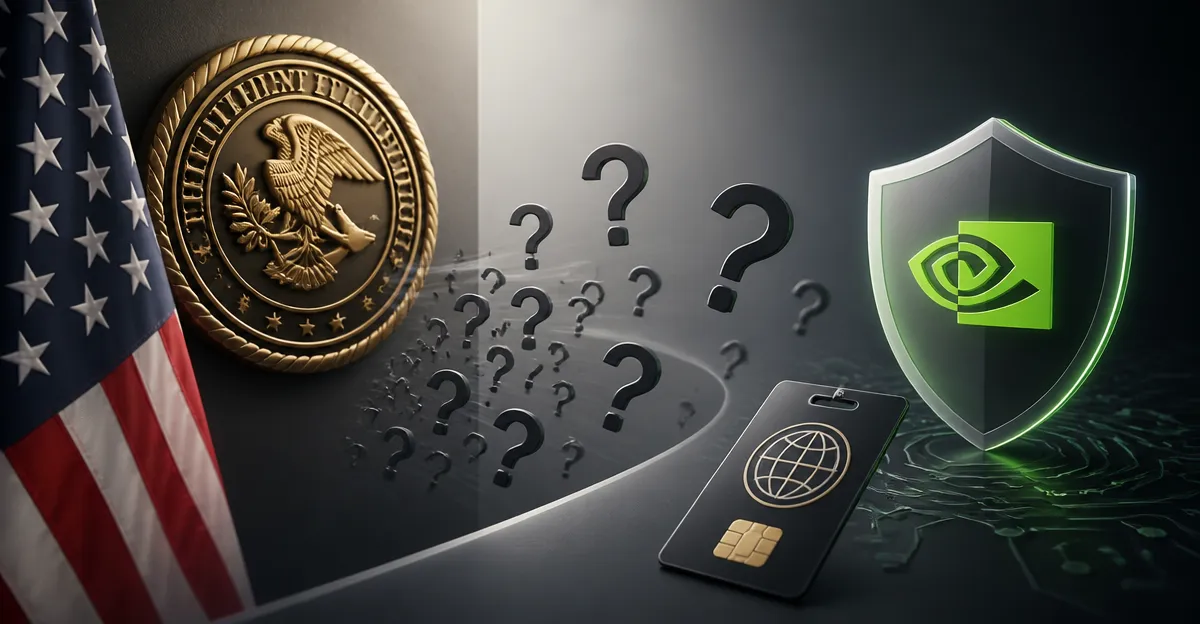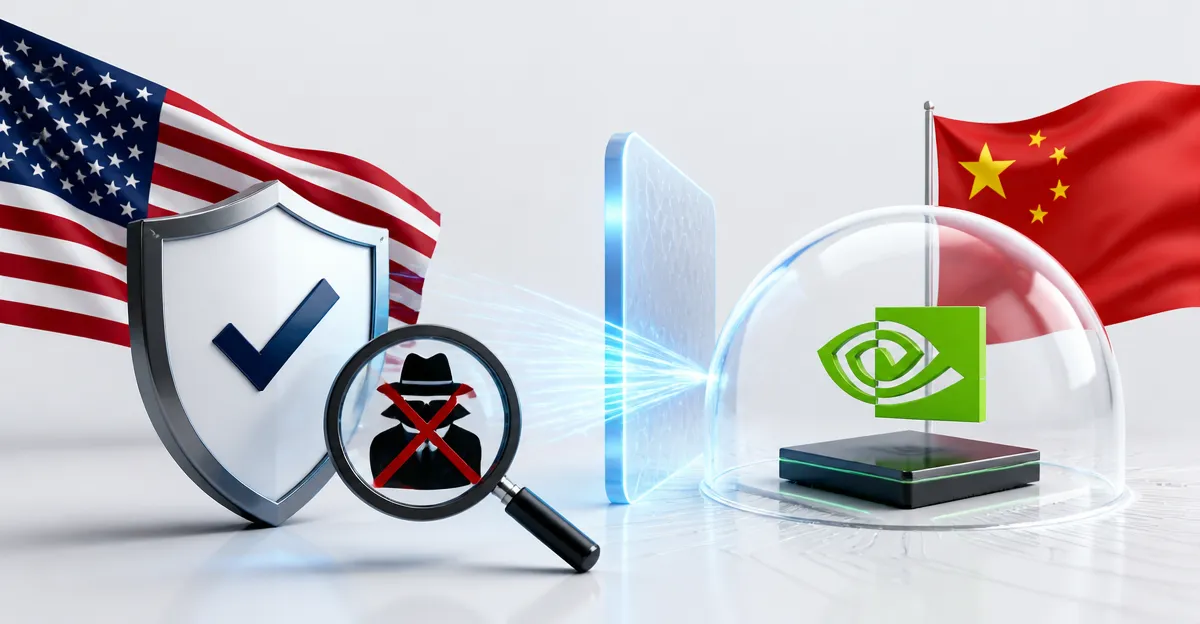
November 25, 2026, (Inside AI) — US intelligence officials have found no evidence that tech executive Alice Huang was directed by Beijing to spy on Nvidia CEO Jensen Huang, according to people familiar with a classified briefing. The finding, first reported by The Wall Street Journal, follows a week of intense scrutiny over the relationship between the two Huangs and its potential impact on Nvidia's chip export controls.
The briefing, delivered to congressional intelligence committees and chamber leaders by officials from the CIA, FBI, Office of the Director of National Intelligence, and National Security Agency, concluded that while Alice Huang contacted China's spy agency during the affair, there is no indication she provided significant intelligence. The report also suggests the two may have had an amorous relationship, but not a coordinated play by China. Officials cautioned that new information could change that assessment.
The controversy began with concerns over Alice Huang's alleged Chinese intelligence links and whether her relationship with Jensen Huang affected suspected diversions of Nvidia chips to China. The classified briefing comes after US President Donald Trump cleared the way for Jensen Huang's reinstatement earlier this week, assuring Nvidia that its CEO posed no national-security threat.
Nvidia and the agencies did not immediately respond to requests for comment. Inside AI could not independently verify the report.
Why The Spy Agency Contact Matters
The disclosure that Alice Huang contacted China's spy agency is significant. It confirms some level of interaction with Chinese intelligence, even if the briefing found no evidence of a directed espionage operation. The distinction between contact and coordination is central to the investigation. Officials reportedly found no indication that Alice Huang provided significant intelligence, but the contact itself raised flags inside the intelligence community.
The briefing's conclusion that the relationship was likely personal rather than a coordinated play by China does not fully resolve the matter. Officials acknowledged that new information could change that assessment, leaving the door open for further scrutiny. The classified nature of the briefing means the public may never see the full evidence behind the conclusion.
The involvement of four major intelligence agencies underscores the seriousness with which the US government treated the allegations. The CIA, FBI, ODNI, and NSA rarely brief congressional leaders jointly on a single executive's personal relationships. The fact that they did so here suggests the matter touched on sensitive national security concerns beyond the individuals involved.
Nvidia's position as a key supplier of AI chips has made it a focal point in US-China tech tensions. The company's exports to China have been restricted under successive administrations, and any suggestion that its CEO's personal relationships could affect those controls would draw intense scrutiny. The briefing appears to have cleared Jensen Huang of any wrongdoing, but the episode highlights the vulnerability of tech leaders to geopolitical crosscurrents.
The White House's decision to clear Jensen Huang's reinstatement earlier this week suggests a desire to move past the controversy. President Trump's assurance to Nvidia that its CEO posed no national-security threat was a strong vote of confidence. But the timing, coming just before the classified briefing, raises questions about whether the White House was coordinating with the intelligence community or acting independently.
The report's finding that the relationship may have been amorous adds a personal dimension to a story that has largely been framed in geopolitical terms. It also complicates the narrative for those who suspected a coordinated Chinese influence operation. If the relationship was personal, it may have been exploited by Chinese intelligence without Jensen Huang's knowledge, or it may have been entirely innocent. The briefing's conclusion leans toward the latter, but the caveat about new information leaves room for doubt.
For Nvidia, the episode is a reminder that its CEO's personal life is now a matter of national security interest. The company has not commented publicly on the briefing, and its stock has shown little reaction. But the scrutiny is unlikely to fade entirely. Congressional intelligence committees are expected to continue monitoring the situation, and any new information could trigger another round of briefings.
The broader implications for US-China tech relations are less clear. The briefing's conclusion that Beijing did not direct Alice Huang may ease some tensions, but it does not address the underlying concerns about chip diversion. Nvidia has consistently denied any wrongdoing, and the briefing appears to support that position. However, the investigation into how Nvidia chips may have reached China continues, and the company remains under pressure to demonstrate compliance with export controls.
The role of Alice Huang, a tech executive with alleged Chinese intelligence links, remains murky. She has not been charged with any crime, and the briefing did not recommend prosecution. Her current whereabouts and her relationship with Jensen Huang are unclear. Inside AI could not independently verify her status or the nature of her contact with Chinese intelligence.
The classified briefing's conclusion is likely to be welcomed by Nvidia and its investors, who have been anxious about the potential fallout. But it may not satisfy critics who argue that the US government is too quick to clear tech leaders of foreign influence. The episode has exposed the difficulty of distinguishing between personal relationships and coordinated espionage, a challenge that will only grow as AI chips become more central to national security.

Sofia spent years studying how machines parse human language before pivoting to cover the systems now rewriting it. She reads technical papers the way others read news and looking for what the numbers are actually saying beneath the headlines.