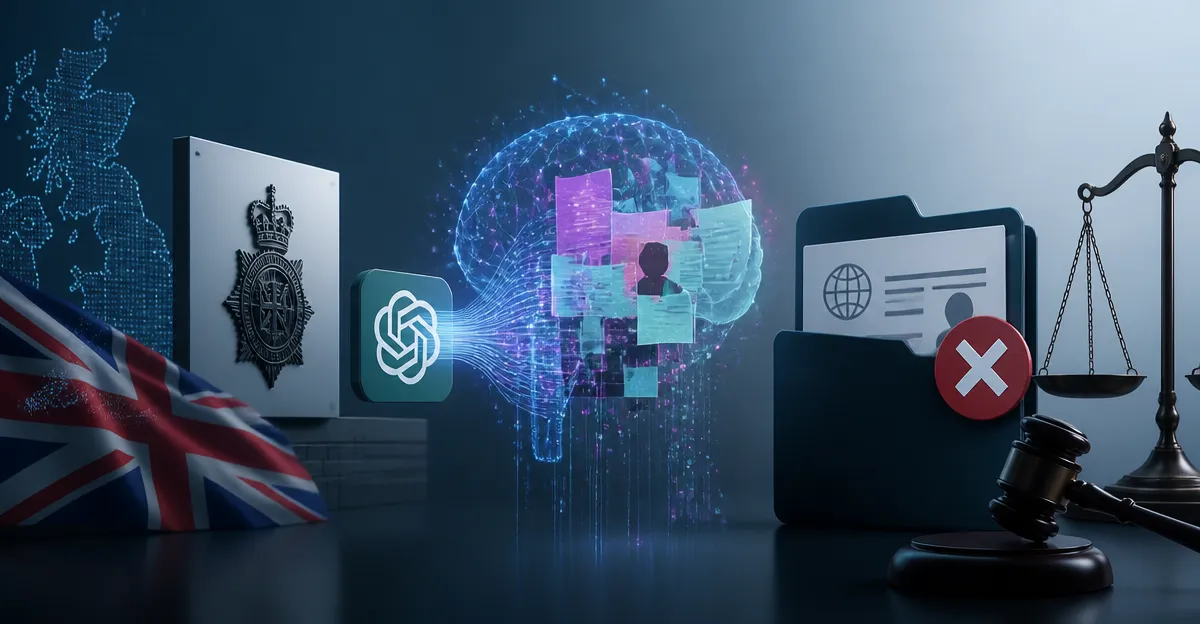
July 28, 2026, (Inside AI) — A North Carolina software engineer has secured a religious exemption from using artificial intelligence at work, marking a novel expansion of religious freedom law into the digital workplace. Erin Maus, a Unitarian Universalist, argued that AI tools violate her faith due to their environmental and ethical harms, according to a report from Business Insider. She enlisted an employment lawyer and a local minister to support her claim, successfully compelling her employer to accommodate her refusal to use AI for coding.
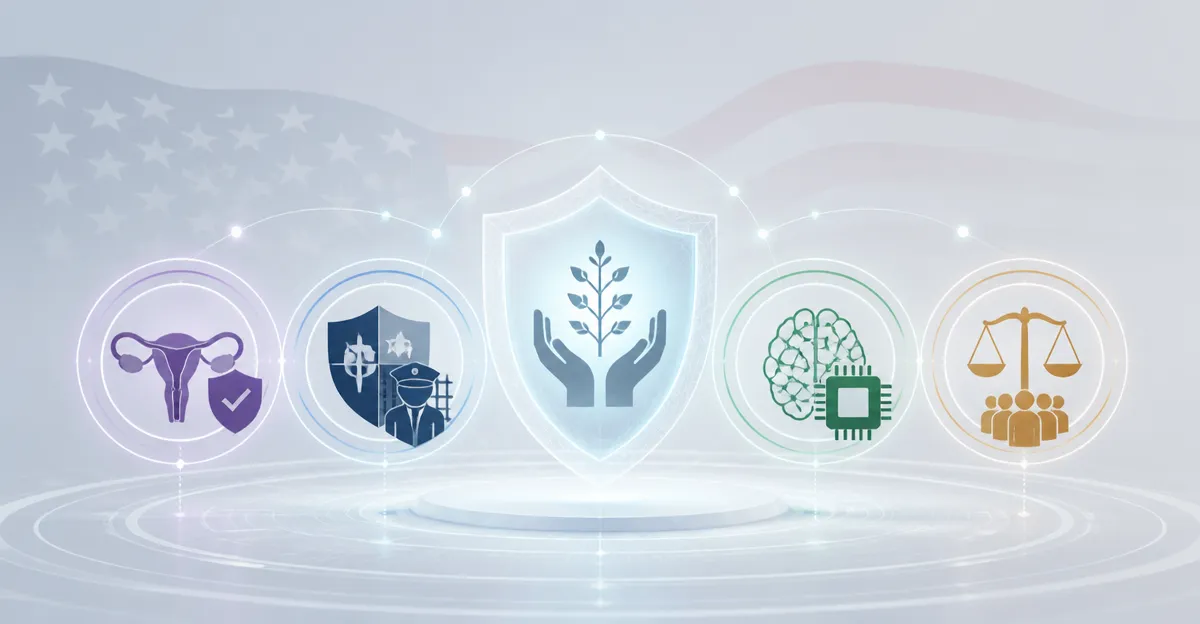
The case is among a wave of progressive faith communities leveraging Religious Freedom Restoration Acts (RFRAs) to protect civil liberties, from abortion access to immigrant sanctuary. While conservatives have long used religious liberty to limit LGBTQ+ rights and contraceptive coverage, left-leaning groups are now invoking the same laws to challenge Trump-era policies and corporate mandates. Michael Helfand, a religion and ethics professor at Pepperdine Caruso School of Law, said RFRAs were designed to offer “a wide range of protections” for religious minorities, and current progressive claims are “consistent with the way it was always intended.”
Maus’s objection centers on the Unitarian Universalist principle that technological advances must be “guided by an ethical understanding of humanity,” a stance the denomination has articulated broadly. Her exemption highlights an emerging tension between workplace AI mandates and individual conscience, as companies increasingly deploy generative coding tools. The case raises questions about whether other employees might seek similar accommodations, potentially complicating enterprise AI adoption.
The legal landscape for AI-related religious exemptions remains uncharted. Courts have long recognized religious objections to workplace rules, such as vaccination mandates or dress codes, but extending that to software tools is unprecedented. Legal scholars note that RFRAs require the government, and in some states private employers, to show a compelling interest before burdening sincere religious exercise. Maus’s employer apparently chose not to challenge her claim, but future disputes could test whether efficiency gains or business necessity outweigh such objections.
Maus’s case is part of a broader progressive religious freedom movement. In Indiana, Hoosier Jews for Choice won a court block on the state’s near-total abortion ban for plaintiffs whose faiths conflict with the law. Elly Cohen, the group’s co-founder, said Jewish law prioritizes the life of the mother over the fetus, which is not considered a living person. “Jewish law frames a hierarchy of whose life matters,” Cohen said. “The life of the living person takes priority over the fetus, which is not considered a life but rather a part of the mother.” The Indiana Supreme Court will hear the state’s appeal in September.
Meanwhile, dozens of Christian and Jewish groups sued the Trump administration over its reversal of a policy shielding houses of worship from ICE enforcement. A judge later blocked warrantless actions near some churches. Rev Carlos Malavé, president of the Latino Christian National Network, said fear of raids has slashed attendance and income. “Attendance drops affect our income, the livelihood of pastors who live on the offering of members,” he said. In Arizona, the Apache Stronghold continues its fight to save Oak Flat, a sacred site transferred to a mining company, despite a Supreme Court setback last year. Wendsler Nosie, a tribal leader, compared destroying the mesa to “taking the Bible, burning it and plowing down Mount Sinai.”
In Philadelphia, the non-profit Safehouse is using religious freedom arguments to open a supervised drug injection site, citing a duty to save lives. An appeals court ruled last year that the law applies to non-religious entities, allowing the case to proceed. These cases collectively signal a strategic shift: progressive organizers are weaponizing religious liberty laws for social justice ends, often in direct opposition to conservative applications.
The Unitarian Universalist Association has not commented on Maus’s case specifically, but its ethical stance on technology aligns with her objection. The denomination’s AI ethics guidelines emphasize human dignity and environmental stewardship, principles that could underpin future religious claims against workplace AI. As AI tools become more pervasive, employers may need to navigate a patchwork of religious accommodations, much as they have with other contested technologies.
A 2024 study in the Journal of Law and Religion noted a rise in progressive RFRA claims, but AI exemptions remain rare. The outcome of Maus’s case could inspire similar demands, particularly among faiths with explicit teachings on technology or environmentalism. However, the legal threshold for proving a sincere religious burden is high, and courts may be skeptical of objections that appear political rather than spiritual. For now, Maus’s exemption stands as a landmark in the intersection of faith, labor, and artificial intelligence.