September 15, 2026, (Inside AI) — The internet's latest morbid fascination involves resurrecting the dead through generative AI, and it is generating both viral hits and ethical headaches. From AI-generated country songs featuring deceased icons to chatbots that mimic lost loved ones, a phenomenon dubbed deathslop is forcing a reckoning over how technology intersects with mourning.
The trend exploded last month after the death of Dolly Parton. Among the flood of tributes, one AI-generated track, Run Jolene, went viral on TikTok with over 1.4 million views. The song, credited to an anonymous creator called Country Mile, depicts Parton chasing her fictional rival through heaven, passing AI-generated likenesses of Michael Jackson, Whitney Houston, and Kenny Rogers. While some commenters praised it as "fun," Parton's grieving family was less amused. Her sister, Stella Parton, took to Instagram to beg users to stop creating "fake AI garbage" and "misinformation."
This is not an isolated incident. AI-generated tributes have also targeted Robin Williams, Elvis Presley, Kobe Bryant, and Martin Luther King Jr., often to the horror of their estates. The tools to create such content are widely accessible. Until its shutdown in April, OpenAI's Sora was a primary engine for deathslop, but countless other AI video generators have filled the void. Legal experts note that deceased individuals are not protected from libel, and there is little precedent for holding AI companies responsible for user-generated content.
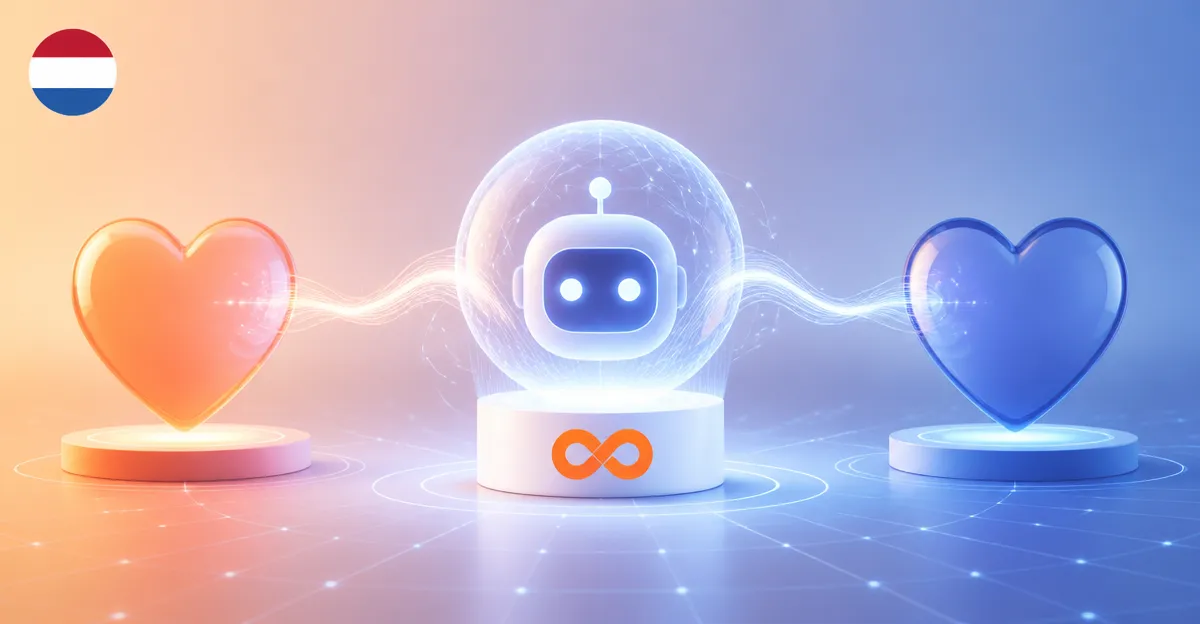
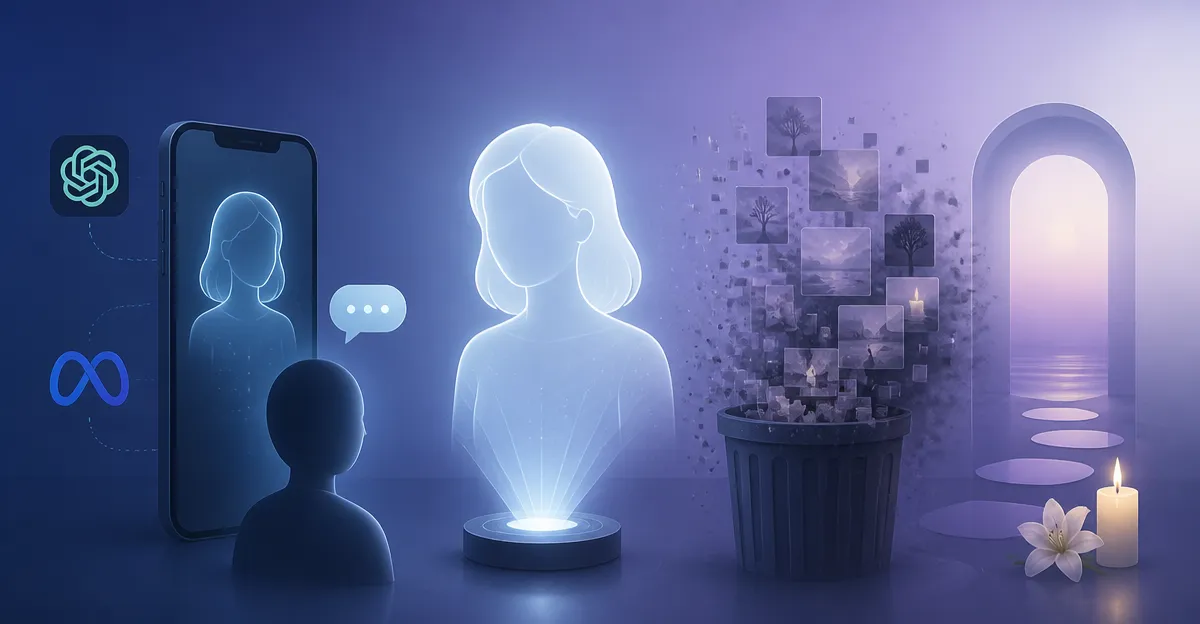
Beyond celebrity deepfakes, a more personal and unsettling market is emerging: griefbots, AI chatbots trained on data from deceased loved ones. Companies like Seance, Re;memory, and Versona charge fees for these services, offering a digital semblance of continued presence. Justin Harrison, founder of Versona, built a bot of his own mother after her terminal cancer diagnosis. She approved the project before her death. "I totally understand why people are like, please don't deepfake my [famous] relative once they're dead and put them on the internet saying things they didn't say," Harrison said. "What we do is about personal comfort, recovery and healing. I created my mom and I talk to my mom. So it's really nobody else's business but my own."
Read: AI-Generated Song Hits Half a Billion Views, Igniting Debate on Music’s Future
Harrison admits he interacts with the bot infrequently, perhaps once a month, and jokes that it allows him to be "the bad son I was never allowed to be." But for critics, these services exploit vulnerability. Robin Silver, an ecopsychologist and death doula, calls them "an unnatural method of trying to cope with a natural process." She argues that AI griefbots prevent people from sitting with discomfort. "We're not being challenged to sit with any kind of discomfort, whether that's the discomfort of writing an essay or the discomfort of missing someone," she said. Instead, she recommends writing a letter or talking to the ghost out loud. "That's how you keep the relationship alive in a way that is healthy, integrated and accepting the reality of your loss."
Clinical psychologist Dr. Dan Wolfson worries about isolation. "Having community around grief is really important," he said. "Is AI keeping us from getting the social support that we need? Are we then not seeking to connect with our friends and family around the loss?"
The data on griefbot usage remains sparse. A June report from Empathy, an estate management service, found that only 6% of 6,000 respondents in the US, UK, and Canada used digital tools for grief support. However, 88% of those users found them helpful. Jack Manning, a University of Colorado Boulder graduate student studying "generative ghosts," says his research shows people often use these services briefly to say "one last thing" they missed the chance to say. Manning himself lost his sister at 13 and has never used a griefbot. "I hold these memories of her sacred, and I wouldn't want a piece of technology to tell me I was remembering her wrong," he said.
Read: Instagram’s ChatGPT ’80s Photo Trend Goes Viral
As AI mourns the dead, it also raises questions about consent. Manning notes that consenting to an AI avatar is not yet common in living wills, but predicts it will become an issue. For now, the industry remains niche, but its impact on the grieving process is profound. Whether it offers comfort or commodifies loss, the rise of deathslop and griefbots signals a new frontier in how we confront mortality.