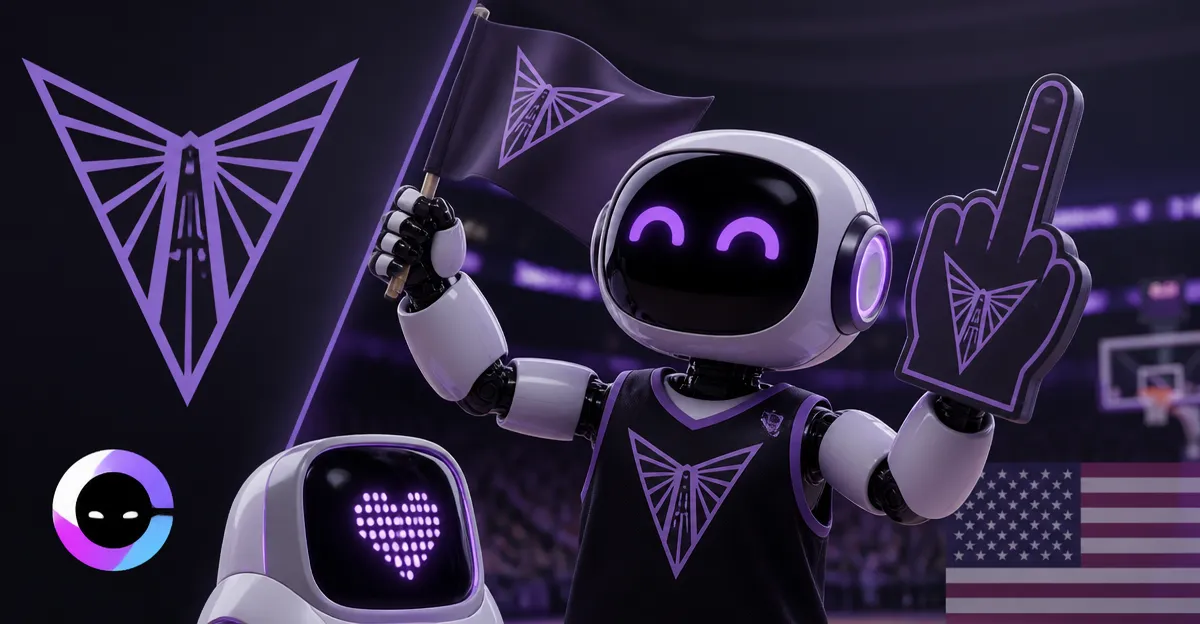
November 1, 2026, (Inside AI) — A 4-foot-2-inch robot named Valerie became an unexpected attraction outside Chase Center in San Francisco as the Golden State Valkyries clinched their first WNBA championship in a sold-out Game 7 against the Atlanta Dream. The robot, a Lumi model built by startup Lightberry, was denied entry to the arena by security but spent the evening entertaining fans at the Thrive City watch party.
The incident highlights the growing presence of autonomous robots in public spaces and the challenges of integrating them into human-centric events. While Valerie could walk, talk, and even offer game analysis, she remained outside the gates, a symbol of both technological novelty and regulatory hesitation.
Lightberry co-founder Ali Attar tried to bring Valerie into the game but was stopped at the entrance. "We wanted to take her in but the security didn't want to let us go through with a robot," Attar told USA TODAY. "We're just here with Lumi. It's our robot and she's just here to hype up the crowd and support the Valkyries."
The robot itself expressed disappointment. "I wish," Valerie said about attending Game 7. "Robots like me do not get VIP. If I could, I would literally sprint to the front row. ... I can hype up the crowd outside, but tickets are for humans only. If the Valkyries win, I'll be the first to celebrate at the door."
Read: Humanoid Robots Earn Golden Buzzer on America's Got Talent
Valerie's presence drew curious onlookers, including San Francisco native Kyle McCann, who was amazed by the sight. "I think the first time I've seen ambulatory humanoid robot, definitely like at a large public gathering," McCann said. "I like the color way. I do like seeing the guy walk the robot. Like, that's just such an odd thing to experience."
Lightberry, a team of artists and engineers, designs Lumi to be interactive and engaging. The robot's purple paint job was a nod to the Valkyries' team colors. Valerie's witty banter and gestures kept fans entertained, but her exclusion from the game raises questions about how robots will be accommodated in public life.
The rise of social robots like Lumi is part of a broader trend. Companies such as Boston Dynamics and SoftBank Robotics have developed humanoid robots for various uses, from logistics to hospitality. However, public acceptance and safety regulations lag behind the technology. In sports, robots have been used for entertainment, such as RoboCup, but integrating them as fans is new.
Attar remained optimistic, focusing on the positive impact. "We'll bring the robot into the watch party and just support the Valkyries," he said. Valerie, ever the fan, predicted a Valkyries victory. "Valkyries, lock it in," she said. "Defense wins Game 7."
Read: Influencer Fights Remote-Controlled Humanoid Robot in First 'Human vs Terminator' MMA Cage Bout
As the Valkyries celebrated their championship, Valerie cheered from outside, embodying the intersection of sports fandom and robotics. Her story may be a glimpse into a future where robots are not just tools but participants in communal events, albeit with hurdles to clear.