November 14, 2026, (Inside AI) — Shield, a company that builds an AI operating system for IT services providers, has deployed OpenAI's GPT-6 Astra to let its Forge platform's agents take over browser-based tasks in legacy portals that lack APIs. The company says the system is now live, with thousands of runs each month across its network of IT providers. The move marks a shift from earlier computer-use models that Shield found too slow and unreliable for production work.
For small and medium-sized businesses, outsourced IT providers handle everything from locked-out employees to misconfigured firewalls. Speed matters. When a customer is locked out or facing a phishing attack, every minute counts. Shield's Forge platform brings together business data and customer context to complete IT support tasks end to end. But until now, agents often got stuck at systems they could not access, forcing customers to wait for a human technician to log in and finish the job.
"If a customer is locked out of their computer or there's a phishing attack, speed is paramount," says Mayank Jain, Head of Technology at Shield. "Whether you're going to solve their issue or you're going to escalate to a human, you want to do either as fast as possible."
Shield had tried computer use with earlier models, where an AI reads the screen, clicks, and types. Jain says those models were not reliable or fast enough. "Usually, a system that doesn't have an API is an old-school system that also doesn't look very nice and is very hard to use, even by a human," Jain says. Many of these portals manage tickets, devices, and software licenses, and they lack APIs. An agent must navigate the screen much as a person would.
Read: OpenAI Launches ChatGPT Wallet With Visa, Mastercard, Amex
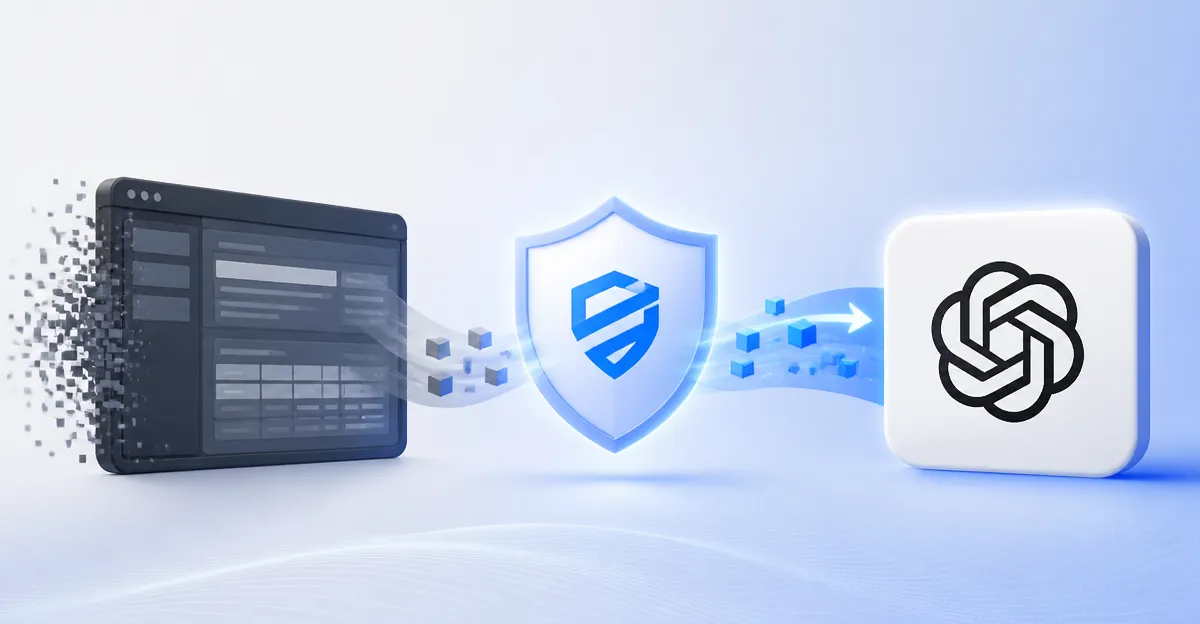
With GPT-6 Astra, Forge's AI Engineer assigns work to a computer-use agent, which then navigates the interface to complete supported tasks. Technicians decide which actions the agent can take on its own and where they need to review or approve the work. Phone calls, on-site work, and remote-desktop tasks still require human involvement.
"GPT-6 Astra allows our agents to embody what a technician does by logging into portals and legacy websites that might not have API access and performing tasks that only a human could six months ago," Jain says. "What shocked me the most was how natural GPT-6 Astra was with computer use. We'd seen models perform computer use before, but you could clearly see them stutter as they try to figure out how to navigate the UI. With GPT-6 Astra, it feels like you're just watching a human click around."
Jain says GPT-6 Astra was 35-40% faster on average than the legacy models Shield had used for computer-use tasks. He also says customer satisfaction is higher on tickets where AI is used, with speed of resolution being a critical factor. Shield reports faster execution, fewer failures, and fewer timeouts. Its teams also spend less time writing detailed instructions to an agent or helping it through a task.
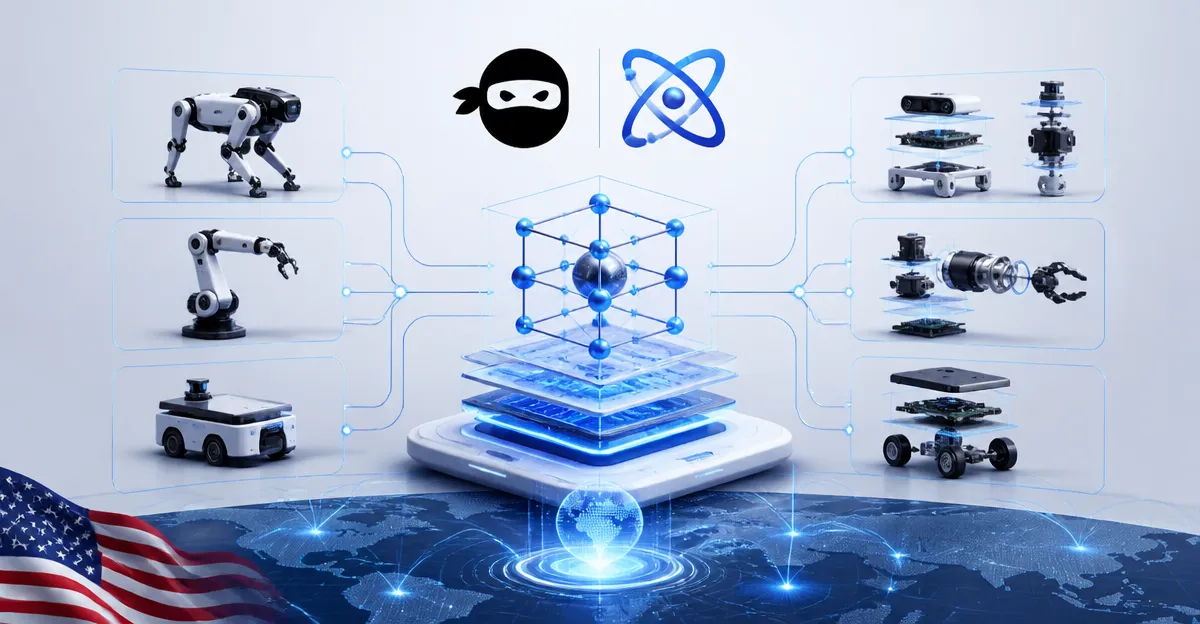
Read: CodeNinja Releases Open Reference Architectures for Physical AI
The deployment reflects a broader trend: as AI models improve at computer use, they are becoming viable for automating legacy systems that never had APIs. For IT service providers, this could mean faster resolution times and more efficient use of human technicians. Shield is now testing remote-desktop workflows that would let agents perform more complex actions directly on a computer's desktop. Jain says, "With GPT-6 Astra, Forge is now truly an extension of our human technicians."

Shamil has a low tolerance for AI that only works in controlled demos. He covers agentic systems and generative AI with the skepticism of someone who has seen too many “revolutionary” tools quietly disappear six months after launch.