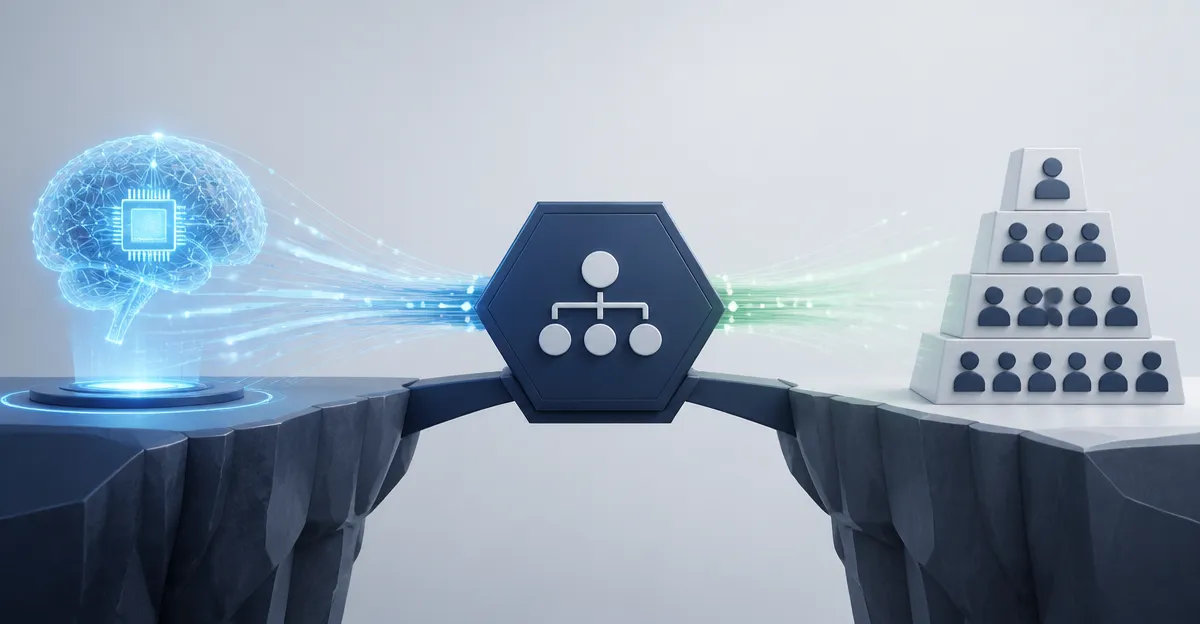
September 2, 2026, (Inside AI) — Enterprise AI is splitting into two camps: firms that use agents for assistance and firms that use them for execution. The gap is widening fast. Frontier firms, the top 10% of AI users, now generate 8.3× as many output tokens per active user as typical firms. That is up from 2.6× in January, according to OpenAI's latest Enterprise Signals data.
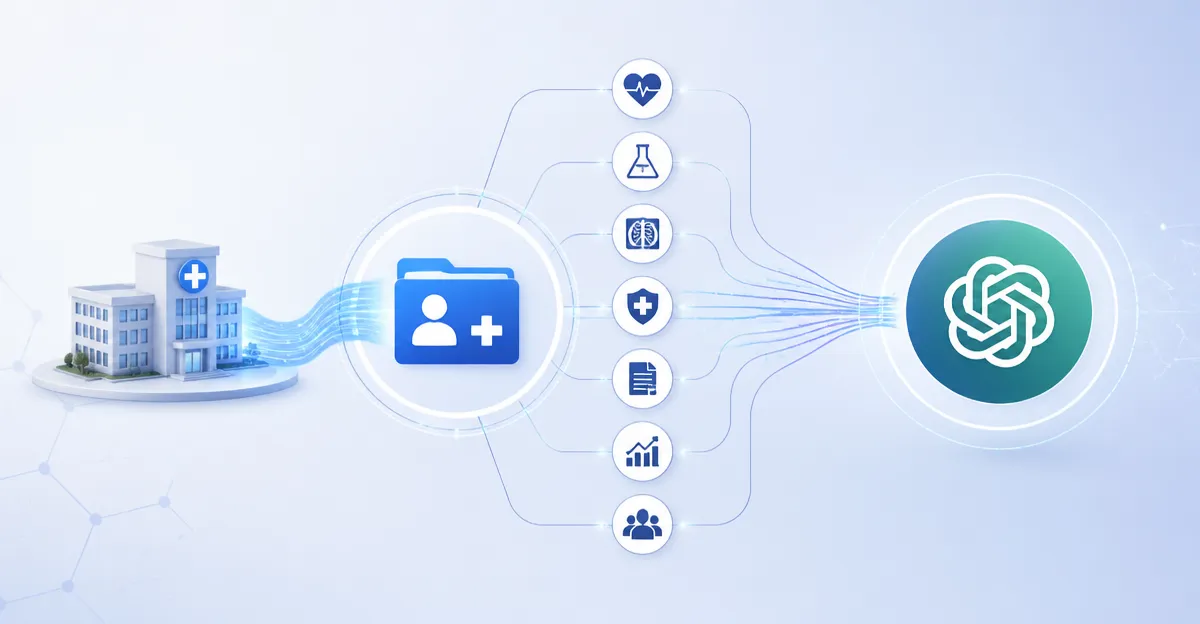
The numbers point to a deeper operating shift. Leading firms connect agents to company context and tools, delegate substantive work, and make successful workflows easier to repeat. Three startups show how this works in practice: Basis, Clay, and Exa Labs.
Each company built agents into a specific job: employee onboarding, account management, and developer integrations. Their workflows differ, but the progression is instructive. Teach an agent a stable process, give it persistent context as work changes, then let it carry opportunities into tested action.
Onboarding Shrinks From Two Hours To Thirty Minutes
At Basis, which builds AI agents for accounting firms, first-day onboarding now takes 30 minutes instead of two hours. That frees HR for culture and support. On day one, employees receive immediate access to Codex and a company-specific onboarding skill, a reusable set of instructions and resources for a specific workflow.
Codex welcomes them, introduces key company concepts, and uses their computer to complete integration setup in the background. When recurring questions or exceptions appear, HR can update the skill before the next cohort. Basis demonstrated the onboarding process once, then turned it into a reusable skill with a clear trigger, known steps, access to the right tools, and a clear definition of done.
The process no longer depends on one person's availability. Onboarding is now more consistent, repeatable, and easier to improve. New employees gain an immediate model for working with AI.
Persistent Account Agents Cut An Hour Of Daily Triage
Clay builds a self-learning revenue engine for go-to-market teams. The company faced a familiar sales challenge: critical deal context is scattered across CRM records, email, Slack, calls, presentations, text messages, and conversations with internal teams and customer champions.
One GTM engineer experimented with a persistent workspace and dedicated subagent for every account. Each subagent reviews primary sources and updates its deal folder overnight. Every morning, a coordinating agent turns those updates into a short list of priority moves: answer a lingering customer question, fill a gap in the buying committee, or give a prospect a reason to re-engage.
The workflow saves roughly an hour of inbox triage each night, according to Clay. The daily priorities help sellers follow through on small actions that add up over a long enterprise sales cycle. Supporting evidence stays close to each recommendation, so sellers can inspect primary sources before acting. Enterprises could extend that shared context to account executives, BDRs, solutions engineers, and sales leaders, subject to existing account permissions.
Exa Labs builds web search infrastructure for AI agents. The team wants its search API available wherever developers could use it, a goal they call Exa everywhere. Pursuing it once required developer relations and account teams to monitor repositories, identify promising integrations, gather context, and coordinate work across systems.
Exa turned that sequence into a defined workflow for Codex, with clear priorities, access to necessary sources, and human review before anything ships. Codex now monitors for high-priority integration opportunities, gathers context, creates pull requests, runs tests, and prepares weekly updates using sources such as Slack and Notion. When appropriate, it can draft the next step, including an initial announcement, for the team to review.
People still decide which opportunities matter, which commitments Exa should make, and how external relationships should be managed. Tests and review points make the agent's work visible before it ships. As work becomes more consequential, permissions, evidence, and decision rights become a larger part of the workflow design.
Together, these examples put the patterns from Enterprise Signals into operational terms. Basis turns a proven process into a reusable skill. Clay gives an agent context and persistence to keep evolving work current. Exa adds tools, tests, and review so an agent can carry a signal into bounded execution. All three make improvement part of the workflow. Each starts with a specific job and enough room to test it. The division of labor becomes clearer through use, and responsibility expands as the workflow proves itself. With the frontier gap widening, enterprise leaders need to give employees room to test consequential workflows, measure success, and turn the strongest experiments into repeatable practice.